

How to Store Flower Pots for the Winter
Views: 516
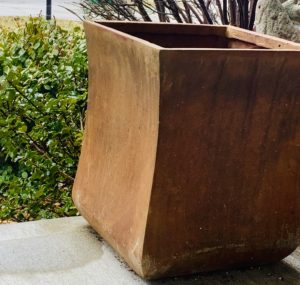
Best Practices for Storing Flower Pots for the Winter:
With much of the United States beginning to feel a chill in the air, the traditional gardening season is coming to a close, It’s a great idea to consider best practices for how to store flower pots over the winter. As arrangements begin to die off, it’s the time to begin pulling out dead plants and removing soil from your containers. Once they are empty, move them somewhere that stays dry and above freezing temps like a garage, shed or covered porch. Basements are good, too. If they are too heavy to move, turn them upside down to help keep moisture out.
Why Protect Outdoor Pots?
There are a few reasons to learn how to store flower pots for the winter. First, leaving soil in your pots means moisture gets in the soil. The soil can freeze and expand, damaging your pots. Second, even pots made of resin or plastic can get freeze damage and crack. Plastic can become very brittle when frozen. Finally, some flower pot surfaces are prone to holding moisture. These are often terracotta and the (usually pricey) glazed ceramic pots. water gets in, the pots freeze and as they thaw, the glaze or sure begins to deteriorate and flake off.
What’s the Skinny on “Frost-Proof” Pots?
For those who frequent garden centres and nurseries, you may have noticed planters labeled “frost-free.” Frost-free flower pots are made with materials and constructed to resist cracking, shattering or breaking when exposed to freezing temps. Some common frost-free materials include high quality concrete, frost-proof terracotta, fiberstone, fiberglass, and glazed ceramic. Stoneware, as well as durable, thicker plastics are also common. “Frost-Free” pots ( I love these options from Hicks Nurseries) are suitable for leaving outdoors in cold weather because they don’t absorb moisture or expand as much as porous materials when water inside them freezes. If you aren’t into the maintenance of storing pots for the winter, these might be a great, low-maintenance solution for you.
Pro Tip: If you must leave your pots outdoors, be sure to empty and invert them, but cover them with a tarp to protect from harsh winter elements!
Meet Elizabeth Morse

I specialize in creating productive gardens for my clients (garden consults), showing them how to use fresh foods (private chef & cooking classes) and enjoying…
Elizabeth's Recent Posts
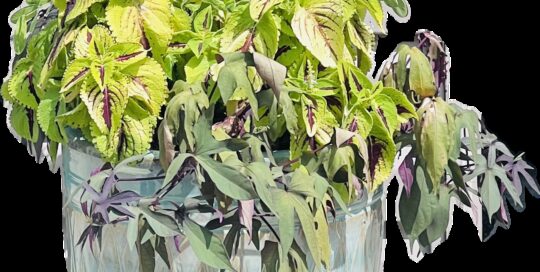
Why the Popcorn Plant belongs in Your Container Collection

Seasonal Swaps: Dahlias for HOT Summers
Elizabeth's Videos
Membership Has Its Perks

- Ask The Expert Questions
- Newsletter Archive
- PlantersPlace Magazine
- Members Photo Gallery
- Product Ratings & Reviews
- Garden Club Samples
More information about container gardening that you’re going to want

Gardening Podcasts

Got a Container Gardening Question?
Learn About Osmocote Products