

Hacks for Container Gardening
Views: 617
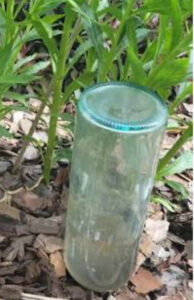
Container gardening in 2026 is all about saving money, maximising efficiency and ensuring healthy plants with clever shortcuts. No matter if you have a large patio, greenhouse or tiny balcony, use these hacks for container gardening to help your plants thrive. They include ways to enhance plant aesthetics, reduce soil volume and implement smart watering strategies.
Design and Growing Hacks for Container Gardening:
Repurpose Containers: Almost anything can be a planter as long as it has drainage. Use old rain gutters for vertical herb gardens, or galvanized buckets and whiskey barrels for a rustic look. Get creative and you’ll find yourself with a cost-effective and truly unique container garden.
Rotate: Turn your pots a quarter-turn every week to promote even growth. This ensures all sides of the plant receive equal sun exposure and prevents “leaning” toward the light source.
Pot Feet for Drainage: Use stones, pot feet like these from Lowe’s, or bricks to lift pots off the ground. This prevents water from pooling underneath, which can cause root rot and even damage your floor’s surface.
“Thrillers, Fillers, and Spillers” Rule: If you truly want a professional look, this popular rule is for you. Use one tall focal plant (the thriller), several bushy plants to occupy space (fillers), and trailing plants to cascade over the edges (spillers)
Watering Efficiency:
Soil & Weight-Saving Hacks
In container gardening, using the correct lightweight “soil-less” media rather than heavy garden soil is crucial for plant health and ease of mobility. The lighter weight of soilless mixes makes containers easier to move around the garden, patio, or balcony to adjust for sunlight, temperature changes, or seasonal protection (e.g., bringing non-hardy plants indoors for winter).
Coffee Filter Drain Cover: Place a coffee filter over the drainage hole at the bottom of your pot. This allows water to flow out while preventing soil from washing away and making a mess.
Use Fillers for Large Pots: If you have deep planters, don’t fill the entire thing with expensive soil. Instead, fill the bottom third with lightweight materials like empty plastic bottles, nursery pots, or packing peanuts before adding soil.
DIY High-Quality Mix: Save money by mixing your own potting soil using a ratio of roughly 50% peat moss or coir, 25% bark or perlite, and organic fertiliser. Here’s a link to learn more about creating your own soils mixtures– 6 recipes included.
Pro Tip: Avoid using the following as filler
- Materials that can degrade quickly, can compact over time, leading to poor drainage and root rot. Don’t forget to check for drainage holes to help offset the issue.
- Materials that are too heavy can make planters difficult to move and put stress on the container.
- Materials that can react with the plant or soil, which can harm plants by changing the pH.
Meet Elizabeth Morse

I specialize in creating productive gardens for my clients (garden consults), showing them how to use fresh foods (private chef & cooking classes) and enjoying…
Elizabeth's Recent Posts
Potscaping: How to Block City Noise with Containers
The Lazy Gardener’s Secret to Stunning Fall Containers
Elizabeth's Videos
Membership Has Its Perks

- Ask The Expert Questions
- Newsletter Archive
- PlantersPlace Magazine
- Members Photo Gallery
- Product Ratings & Reviews
- Garden Club Samples
More information about container gardening that you’re going to want

Gardening Podcasts

Got a Container Gardening Question?
Learn About Osmocote Products