

Why the Popcorn Plant belongs in Your Container Collection
Views: 240
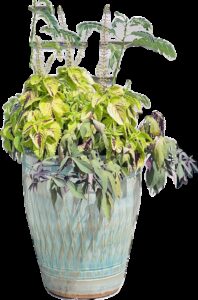
Imagine stepping onto your patio and being greeted by the unmistakable, mouth-watering aroma of freshly movie theatre popcorn. You are likely smelling the foliage of one of the most delightful, sensory-rich additions to the modern container garden: the popcorn plant. My friend Heather plants these annually, and this year she gave me a couple. Bringing a whimsical twist to standard seasonal arrangements, this tropical marvel offers a distinct fragrance, architectural beauty, and late-summer colour. Here’s why the popcorn plant belongs in your container collection:
Meet the Popcorn Plant
Commonly known as the popcorn plant, popcorn cassia, or peanut butter senna, this stunning African native belongs to the legume family. Its official botanical name is Senna didymobotrya (formerly classified as Cassia didymobotrya).
The plant features fern-like bright green leaves and produces upright, dramatic flower spikes that resemble candelabras. In mid-to-late summer, dark brown buds open from the bottom up to reveal brilliant, neon-yellow blooms. While the flowers themselves have a faint, warm scent reminiscent of peanut butter, the magic happens when you gently rub the velvety leaflets. The friction releases an uncannily accurate aroma of warm, movie-theater buttered popcorn that fascinates children and adult gardeners alike.
Essential Tips for Container Success
While Senna didymobotrya can grow into a massive shrub in tropical climates, it adapts beautifully to life as an annual focal feature in large patio pots. To ensure it thrives, keep these cultural requirements in mind:
-
Go Big on Pots: The popcorn plant grows rapidly and develops a substantial root system. Choose a large, heavy container—at least 12 to 14 inches in diameter—to prevent the tall, top-heavy stalks from blowing over in the summer wind.
-
Sun and Heat are Mandatory: As a tropical native, this plant loves intense heat and maximum humidity. Place your container in a location that receives a minimum of six to eight hours of direct, unfiltered sunlight daily.
-
Rich, Well-Draining Soil: Pack your containers with high-quality, fertile potting mix amended with a bit of organic compost or sandy loam. Excellent drainage is vital, as waterlogged soil leads to root rot.
-
Quench Its Thirst: The popcorn plant is a heavy drinker, especially when confined to a container. Expect to water your pots daily during the peak heat of summer. If you notice the fine leaflets folding tightly together during the daytime, it is usually a signal that the plant is thirsty.
-
Feed Generously: Because it puts on rapid growth in a short time frame, this plant is an aggressive feeder. Apply a balanced, water-soluble tropical plant fertilizer every two to three weeks throughout the active spring and summer growing seasons.
Designing a Sensory Oasis: Aromatic Companions
Because Senna didymobotrya commands center stage with its height and theatrical scent, surrounding it with complementary textures and fragrances can elevate your container design from basic to extraordinary. I’ve been experimenting with fragrance as an extension of my plantings lately. It adds another dimension to your gardens. When pairing companion plants in the same pot or grouping nearby containers, select sun-loving varieties that won’t compete with the popcorn plant’s water needs:
-
Chocolate Daisy (Berlandiera lyrata): For the ultimate concession-stand container, plant this low-growing perennial at the base. Its yellow, daisy-like blooms release a rich milk chocolate scent in the morning air, perfectly complementing the buttery popcorn aroma.
-
Helichrysum italicum (Curry Plant): This silver-foliated beauty adds striking visual contrast beneath the bright green Senna leaves. It emits a warm, spicy curry fragrance that intensifies on hot, sunny days.
-
Pineapple Sage (Salvia elegans): The bright, sweet tropical scent of crushed pineapple sage leaves offers a refreshing counter-note to the rich, savory popcorn aroma, while its late-season red flowers mirror the dramatic flare of the Senna blooms.
-
Scented Geraniums (Pelargonium spp.): Varieties like ‘Attar of Roses’ or lemon-scented cultivars introduce deep leaf textures and completely different scent profiles to create a multi-layered sensory experience.
A Crucial Warning for Pet Owners
Before adding this sensory showstopper to your deck or balcony, safety must come first. Senna didymobotrya is toxic to animals, including dogs, cats, and horses. Like many members of the legume family, all parts of the plant—especially the sap, foliage, and the flat seed pods that form after blooming—contain compounds that cause severe gastrointestinal distress if consumed.
If your pets are notorious for nibbling or chewing on backyard greenery, elevate the container completely out of their reach, or opt for a different pet-safe alternative.
Bringing It Indoors
Because the popcorn plant cannot tolerate frost, most gardeners in cooler zones treat it as a seasonal annual. However, if you want to keep the cinematic experience going year-round, simply prune the branches back after the autumn blooms fade and bring the heavy container indoors. Place it in a bright, sunny greenhouse or next to your most light-filled window, and keep the soil slightly drier until spring returns.
Meet Elizabeth Morse

I specialize in creating productive gardens for my clients (garden consults), showing them how to use fresh foods (private chef & cooking classes) and enjoying…
Elizabeth's Recent Posts
Gourds Just Want to Have Fun: Designing Sophisticated Fall Containers Without the Kitsch
Seasonal Swaps: Dahlias for HOT Summers
Elizabeth's Videos
Membership Has Its Perks

Become a registered user and get access to exclusive benefits like...
- Ask The Expert Questions
- Newsletter Archive
- PlantersPlace Magazine
- Members Photo Gallery
- Product Ratings & Reviews
- Garden Club Samples
More information about container gardening that you’re going to want

Gardening Podcasts

Got a Container Gardening Question?
Learn About Osmocote Products