
Growing Cilantro for Two Harvests
Views: 1344
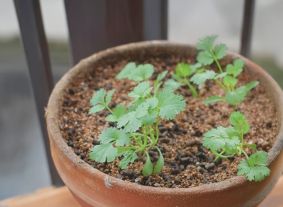
Growing cilantro is worth the time and effort in more ways than one. Grow it for the bright, distinctively flavored leaves that elevate everything from tacos to curries, then let it flower and you’ll have yourself some coriander seed—an entirely different flavor from the same plant. The key to successfully growing cilantro is understanding its preference for cool weather and its tendency to move quickly from leaf to seed.
Cilantro Belongs in Every Garden
Native to the Mediterranean region, cilantro adapts easily to garden beds and containers alike. It’s a fast-growing annual herb that can be harvested in as little as 30–45 days. And as alluded to above, cilantro offers a rare two-for-one: fresh leaves early in the season and spice seeds later on.
It’s also a natural fit for a wide range of cuisines, making it a practical addition for anyone growing food at home. Whether you’re planting an herb vegetable garden or just a few easy-to-access containers on a patio, cilantro is an easy entry point.
Growing Cilantro Successfully
When it comes to how to grow cilantro, timing is everything. This is a cool-season crop that performs best when temperatures stay between 50–85°F—and that might even be pushing it on the high end. In northern regions, plant in early spring and again in late summer for a fall harvest. In milder climates, cilantro can grow from fall through early spring.
Always sow seeds directly into the garden—cilantro does not transplant well. Plant seeds about ½ inch deep in loose, well-drained soil enriched with compost. Choose a location with full sun to partial shade, giving plants some relief from intense afternoon heat.
To extend your harvest, sow seeds every 2–3 weeks. This succession planting approach ensures a steady supply of fresh leaves before plants bolt.
Managing Bolting and Extending the Harvest
Speaking of bolting, this presents the biggest challenge when learning how to grow cilantro. As temperatures rise or days lengthen, cilantro quickly sends up a flower stalk and shifts to seed production. If you’re harvesting for leaves, then your leaf harvest will soon end. However, if you’re really looking forward to your coriander crop, it’s not far away!
To slow the onset of bolting, keep soil consistently moist, apply a light mulch to cool the roots, and consider planting in a spot with afternoon shade. Choosing slower-bolting varieties like ‘Calypso’ or ‘Slow Bolt’ can also help extend your leaf harvest.
Harvesting Leaves and Coriander Seed
When your cilantro plants reach about 6 inches tall, you can start to harvest a few leave. Cut outer stems first to keep the plant producing branches and leaves, which develop from the plant’s center. For coriander, stop harvesting leaves and allow the plant to flower. Once seed heads turn brown and are dry, they’re ready to collect.
Cilantro’s flavor is best fresh. I’ve tried freezing it before, but the flavor didn’t last. So, plan to use it soon after harvest. Or sow seeds often to have a rolling harvest, adjusting your planting location as the weather gets warmer.
Meet Ellen Wells

When you’re raised on a farm, you can’t help but know a thing or two about gardening. Ellen Wells is our expert on edible gardening.…
Ellen's Recent Posts
Rati-Tail Radish Review
Grow Fava Beans and Improve Your Soil
Membership Has Its Perks

- Ask The Expert Questions
- Newsletter Archive
- PlantersPlace Magazine
- Members Photo Gallery
- Product Ratings & Reviews
- Garden Club Samples
More information about edible gardening that you’re going to want

Edible Gardening Videos

Edible Gardening Podcasts

Got a Edible Gardening Question?