
Preserving Your Harvest with the Hills
Views: 67
Preserving my garden harvest has not been my strong suit. Other than freezing fresh herbs and rhubarb, my garden produce ends up in a meal before it goes bad in the fridge. Then again, I don’t really have a giant vegetable garden (wish I did) so preserving hasn’t been a priority.
However, perhaps your garden knocks your socks off with how much it produces over the growing season. You’ve done the best you can eating it all but you have decided to learn some “putting up” techniques so you can have “fresh as summer” tomatoes in March. I’m here to tell you that there’s a book for that!
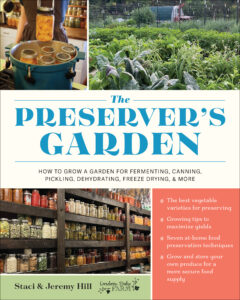
The new book, The Preserver’s Garden written by Staci and Jeremy Hill of Gooseberry Bridge Farm, is a practical guide that teaches gardeners how to plan, plant and grow with preservation and long‑term pantry storage in mind. The book covers seven preservation techniques and matches varieties to the technique best suited to them—freezing, canning, fermenting and others. Drawing from their own experience at Gooseberry Bridge Farm in the Ozark Mountains of southwest Missouri, the Hills share what it takes to grow a garden that truly supports long-term nourishment and self-sufficiency.
Preserving and How Much to Grow
When it comes to preserving, one of the most common questions gardeners face is deceptively simple: How much should I plant? The Hills walk readers through planning a garden around the vegetables and fruits their household actually eats. They then help you calculate how much to grow to meet specific preservation goals. Whether you’re stocking jars of tomatoes, fermenting cucumbers, or filling the freezer with berries, the Hills help match crops and varieties to the preservation method that makes the most sense for your lifestyle. The goal isn’t just peak flavor at harvest, but reliable yields, uniform ripening and varieties that hold their texture and taste through freezing, fermenting, canning and other preservation methods.
Crop Profiles
One of the best features of the book is detailed produce profiles of 22 different preservable crops. These profiles cover standard faves such as tomatoes and berries along with others like squash and onions. Each profile covers growing tips, harvest timing and best preservation practices. You’ll learn to maximize yields with organic methods and with less time and effort on your part. What you’ll end up with is a system that works for you season after season. The goal here is to help you connect the food you grow to what ends up on your pantry or freezer shelf.
Preserving Techniques
And it’s not just about growing with the intention to preserve. The Hills include information on the actual method of preserving. The preservation techniques they detail in the book include:
- Freezing
- Drying
- Pressure canning
- Water bath canning
- Salting
- Freeze drying
- Fermenting
They also include how you should safely prepare your crops for these various preserving techniques.
Staci and Jeremy Hill know of what they write! Nearly a decade ago, they traded suburban life for an 11.6-acre farm where they grow, preserve and share food while running a pick-your-own flower operation. Their experience-driven approach makes The Preserver’s Garden an invaluable guide for backyard gardeners, homesteaders and anyone eager to grow a pantry-ready harvest with confidence.
As you prepare your plans for next spring’s crops you’ll want to consult The Preserver’s Garden to maximize your usable yield. Ask for it at your favorite bookshop!
Meet Ellen Wells

When you’re raised on a farm, you can’t help but know a thing or two about gardening. Ellen Wells is our expert on edible gardening.…
Ellen's Recent Posts
Square Foot Gardening Planner
Green Thumb Awards for 2026
Membership Has Its Perks

- Ask The Expert Questions
- Newsletter Archive
- PlantersPlace Magazine
- Members Photo Gallery
- Product Ratings & Reviews
- Garden Club Samples
More information about edible gardening that you’re going to want

Edible Gardening Videos

Edible Gardening Podcasts

Got a Edible Gardening Question?