
Row Covers for Frost Protection
Views: 3179
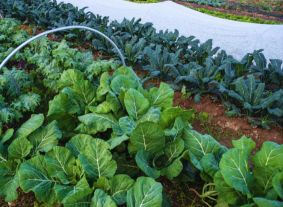
Where I garden, row covers can be a fall season saver. All that work and time I put into seeding, growing and tending a fall vegetable garden can be negated by a single hard frost. But row covers can protect crops of tender herbs and leafy greens. They allow me to extend my growing season and enjoy fresh harvests well into the cooler months. Sure, hardier greens like kale and spinach can sustain some cold temperatures, but it’s nice to have fresh lettuces and arugula deep into the season. Row covers can do that for me, and they are one of the simplest and most affordable tools for gardening deep into the fall season.
Why Use Row Covers?
Think of row covers as cozy blankets for your vegetables. They take on multiple tasks, such as helping to retain soil warmth, shield plants from light frosts, and protect against chilly harsh winds. And if your pesky pests revive themselves during some warmish fall days, row covers can be that physical barrier that protects your plants. And for fall crops like lettuce, spinach, kale, carrots, and broccoli, a row cover can transform what would otherwise be a short-lived garden into one that produces until winter truly sets in.
Types of Row Covers
Not all row covers are created equal. The style you should use depends on your goals for your fall garden. Here are some options.
Lightweight covers: These are thin and breathable and offer insect protection and slight temperature moderation.
Medium-weight covers: These provide several degrees of frost protection while still allowing light and water through.
Heavyweight covers: These keep plants 4–8°F degrees warmer than the outside air and are the style you’d use for extending the gardening season.
Plastic covers: These trap the most heat but are not breathable so must be vented on sunny days to avoid overheating your plants.
How to Install Row Covers
What could be so difficult about draping a breathable cover over your vegetable plants, right? Well, it’s really not as easy as that—you just need to take a few things into account.
Choose which crops you will cover. The top candidates for protecting into the fall and even beyond will be relatively short and able to take prolonged chilly temperature. Think leafy greens, brassicas and root vegetables such as parsnips, radishes and carrots.
Option—use hoops! Insert sturdy wire, PVC tubing or flexible rods bent into arches into the ground and over the row you want to protect. These hoops will help keep the row cover fabric off plants and allow airflow. It’s optional, but it’s advised if you hope to extend the grow time for as long as possible.
Lay the covers down. Drape the fabric either directly over plants or over the hoops, leaving enough slack for growth.
Secure the cover edges. A strong wind could blow your covers away! Be sure to bury the edges in soil or weigh them down with rocks, boards, or landscape pins. This also prevents drafts and keeps pests from causing trouble.
Peek inside regularly. While water can pass through fabric row covers, you’ll want to check in on your crops now and again. Covered with plastic covers on the other hand will need some water and ventilation regularly.
How to Store
When winter finally does come, you’ll do yourself and your row covers right if you store them immediately. This will help prolong the life of your row covers (and save you money, too). Find a warmish day to remove them from the garden, shake off any soil and let them dry completely. Once dry, fold and store them in a container out of reach of rodents. Just as your crops were cozy under them, little critters could find them warm and inviting, too.
And there you have it. You’ve just provided yourself at least a month or more of fresh fall produce from your very own garden—and without much extra effort, too.
Meet Ellen Wells

When you’re raised on a farm, you can’t help but know a thing or two about gardening. Ellen Wells is our expert on edible gardening.…
Ellen's Recent Posts
Corn Earworm on Eggplant
Testing DIY Ollas in a Vegetable Garden
Membership Has Its Perks

- Ask The Expert Questions
- Newsletter Archive
- PlantersPlace Magazine
- Members Photo Gallery
- Product Ratings & Reviews
- Garden Club Samples
More information about edible gardening that you’re going to want

Edible Gardening Videos

Edible Gardening Podcasts

Got a Edible Gardening Question?