
Shredded Leaves for Winter Mulch
Views: 398
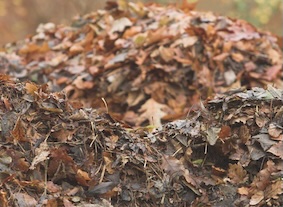
Shredded leaves are nature’s free mulch. Not only that, they are a valuable fertilizer source that drops onto your lawn each fall—did I say for free? And because it’s both free and a boon for garden, you might just find yourself asking your neighbors if you can take their leaves off their hands, too. All that biomass that was created by a tree through the power of photosynthesis and nutrient uptake. All that can find its way back into your soil to nurture another round of growing. The more shredded leaves you add to the soil, the fewer “off-property” fertilizers you’ll need to purchase.
Benefits of Shredded Leaves
You can use the leaves that pile up on your property in so many ways. For you vegetable gardeners wrapping up your gardening exploits for the year, a 3- to 6-in. layer of shredded leaves acts as a natural blanket for your garden beds. About 3 in. is enough to insulate your soil and protect overwintering crops like garlic without smothering them. This is also a good amount to protect the soil from erosion. Consider putting down a bit more, say 4 to 6 in., for empty beds to protect the soil from cycles of freezing and thawing. A thick layer like this will also feed the soil as the bottom layer breaks down while still providing some insulation with the shreds that remain intact.
What happens when the leaves break down? Great question. Nutrients from decomposing leaves—nitrogen, phosphorus, potassium and others—release into the soil and enrich it to support healthy plant growth. These nutrients are also “feeding” beneficial soil organisms like earthworms and microbes, and these, in turn, improve soil structure and fertility. Who knew so much good stuff was happening underfoot?
Leaf Shredding Methods
For home gardeners, shredding leaves is simple as getting your lawn mower out of the shed. Simply run over dry leaves a few times with the lawn mower until they are cut into smaller pieces about 1 to 2 in. in size. For the final pass with the lawn mower, attach the machine’s bag to collect the leaves for easy gathering and handling.
Leaf shredding machines are an option, as are garden chippers. These machines will produce an even finer mulch,. If you don’t have a mower, shredder or chipper, simply piling leaves on a tarp and chopping them with a rake or a sharp garden knife can also work—though it takes more time. Way more time. My suggestion is to make friends with someone with a mower.
Back to the final product, the small shreds of leaves. The final size is important. Pieces that are too large can get matted down, preventing water and air from reaching the soil. If you’ve ever seen whole wet leaves on a sidewalk or road, you know they stick together tenaciously, becoming glued to one another. That is no good. Shredded leaves, on the other hand, stay loose, break down more quickly and provide better coverage for plants and—in another common use—as garden paths.
Meet Ellen Wells

When you’re raised on a farm, you can’t help but know a thing or two about gardening. Ellen Wells is our expert on edible gardening.…
Ellen's Recent Posts
Square Foot Gardening Planner
Green Thumb Awards for 2026
Membership Has Its Perks

- Ask The Expert Questions
- Newsletter Archive
- PlantersPlace Magazine
- Members Photo Gallery
- Product Ratings & Reviews
- Garden Club Samples
More information about edible gardening that you’re going to want

Edible Gardening Videos

Edible Gardening Podcasts

Got a Edible Gardening Question?