

Crinum Dogs
Views: 5083
While I love my Sugarbear pup, she is a dog and she does dog things, like rolling around in donkey poop just before she jumps on my platinum velour couch. So I feel totally justified in using the pejorative term “dog” when it comes to plants I do not like.
Hard to Grow Crinums
There are a few dogs in flower today. I could make a spectacularly long list. So the word and the list below are plants that have some merit, yep I still grow them. But since I specialized in one group of plants, here is my list of Crinum Dogs:
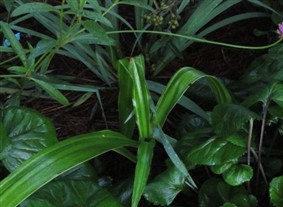
Crinum mooreii Moore Stripes: Killed it once, wasting time keeping it alive a second time (see picture taken this morning after two years of care and prayer).
Crinum West Indies Mini: I know how badly everybody wants a dwarf, but this just isn’t tough enough to live.
Crinum Stars and Stripes, Hannibals Dwarf: Both make fine groundcovers with attractive texture and leaves, but they are just too, too shy to flower. I think the bulbs divide and run at the expense of flowers.
Crinum bulbispermum that is not a selection or seed strain: If it doesn’t say Jumbo, Red River, Emerald, or some other form. But Let the wimpy little seedlings that come up along railroad tracks lie where they are.
Crinum Sangria: Ok I do use it and I do sell it and I totally understand how it seduces people but really, the leaves turn green and it has an odd habit. The flowers are erect and spectacular though.
Saying Goodbye to Dog Plants
One of my soapbox positions in gardening is that we should all grow what really thrives in our climate. I’m always telling people to enjoy smoke bush, peonies, lilac, japanese blood grass, japanese maples somewhere else. In zone 8 they are all curiosities.
So my work for the week is giving up some plants:
Xanthorhoea quadrangularis Australian Blackboy Tree
Crinun moorei
Gloxonia Evita
Kniphofia rooperi and Toffeenose
These are favorites from just 70 miles up the road, but in the wet, previously agricultural soil where Im gardening today, they rot.
Meet Jenks Farmer
Jenks's Recent Posts
Beans: A Nurse Crop for Perennials
10 Perennials You Should Plant in the Heat of Summer
Jenks's Videos
Membership Has Its Perks

- Ask The Expert Questions
- Newsletter Archive
- PlantersPlace Magazine
- Members Photo Gallery
- Product Ratings & Reviews
- Garden Club Samples
More information about flower gardening that you’re going to want

Flower Gardening Videos

Got a Flower Gardening Question?
Learn About Osmocote Products