

It’s Time for Garden Cleanup!
Views: 455

At this time of the year, the common question among gardeners is, “Are you ready for winter?” But what does that mean? While much of the garden can be left until spring, here are some of the garden cleanup tasks that should be done before the snow blankets the beds.
Should You Cut Back Perennials?
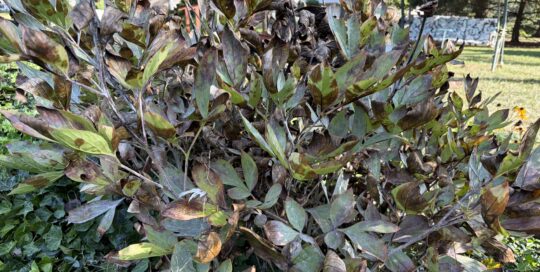
This weekend, I cut back the hydrangeas and peonies at a friend’s place. The final task is to fully put the gardens to bed. But we often read that we should leave perennials in place to give pollinators a place to spend the winter. Is this always the case?
The short answer is no. While it is a wise practice to leave some of the pollinators, especially those like Echinacea, Gaillardia, Asters, and Solidago, you don’t have to leave everything until spring. For some of us, there is just too much, and a spring cleanup would be far more difficult after the plants sit beneath the winter snow.
That is the case with the hydrangeas that stretched at least 20 feet long and three feet wide. It was easy to zip through the plants, snipping off the dried stems. If they were buried underneath the snow all winter, it would be messier and probably a lot less enjoyable.
In my own garden, I leave the perennials with thicker, more hollow stems that are roughly 12 inches high because that is enough space for many pollinators to use the stems during the cold season.
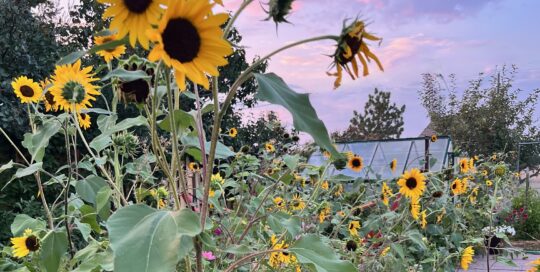
While they are not perennials, sunflowers can be useful for beneficial insects. I have a veritable forest of them in the garden this year, so I’ll leave a few, but not all of them. It’s a balance between not being overwhelmed in the spring and providing habitat for the insects that eat the pests that eat our plants.
Veggie Cleanup
As soon as a hard frost killed most of the plants, I pulled out the tomatoes, peppers, and squash plants. I don’t have a large compost pile, but I will burn these as they dry out and add the ashes to parts of the garden.
The one exception was the squash plants in the greenhouse, which had a serious issue with powdery mildew. While that is a very common fungal infection, I tossed them in the trash. I won’t plant squash in there next year. (Actually, at the moment, I’m planning on growing sorghum in the greenhouse, which will be a fun experiment!)
Pruning Shrubs
I planted the golden currant bush probably 17 years ago, and it is out of control, growing beyond the fence boundary and shading my vegetables. I’ve started with severe pruning, but I think I’ll remove it entirely.
This is a good time to remind everyone that the garden changes. When we first built this garden, we tucked it in alongside the privacy fence that we share with our neighbors to buffer the high winds in our area. Everything worked well for many years.
But the golden currant and Nanking cherries I planted along the south side of the garden grew large and shaded the garden. The Nanking cherries succumbed to a brutal winter several years ago, but it’s time for the golden currant to go.
The biggest problem is that the lilacs on the neighbor’s side of the fence have more than doubled in size. Now they’re closer to 12 feet tall and shade out much of the garden. It is not a good time to prune lilacs at this time of year because making cuts now increases the risk of winter damage. Plus, the buds form in the summer, so cutting anything now will affect blooms in the spring.
Enjoy these nice days whenever you can, to tidy up the garden and enjoy it throughout the winter. You’ll be relieved to have a number of the tasks accomplished when you start again in the spring.
Meet Amy Grisak

Amy is a freelance author and photographer in Great Falls, MT who specializes in gardening, foods, and sustainable agriculture. She provides information on every kind…
Amy's Recent Posts
The Pros and Cons of a Sunflower Forest
Peony Problems
Amy's Videos
Membership Has Its Perks

Become a registered user and get access to exclusive benefits like...
- Ask The Expert Questions
- Newsletter Archive
- PlantersPlace Magazine
- Members Photo Gallery
- Product Ratings & Reviews
- Garden Club Samples
Here’s more information about gardening that you’re going to want

Watch a Gardening Video
Learn About Osmocote Products
Read a Gardening Blog