

Pests and Diseases to Watch for When You Grow Lavender
Views: 3101
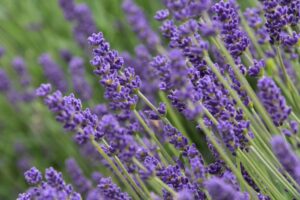
I venture to guess that lavender is one of the most popular herbs people grow in their home gardens. But it’s not always easy. Here are a few considerations if you’d like to grow lavender in your own garden.
When I lived on the west side of the Rocky Mountains near West Glacier, I grew lavender in the stone raised beds I had to build because there was no topsoil. I trucked in sandy loam topsoil, and despite long winters with deep snow, it grew fine. As a matter of fact, I haven’t lived at my old gardens for nearly 30 years, and the lavender has naturalized. That’s what I call hardy!
Mimic the Climate to Grow Lavender
Lavender, along with many of our favorite herbs, is native to the Mediterranean and thrives in the sun-baked climate with well-drained soil and drier conditions. There are a few areas of the country that meet these requirements; parts of California are the first region that comes to mind, but many others don’t. Yet, this doesn’t mean lavender doesn’t adapt, especially if you create conditions that it prefers.
When planting lavender, make sure it is in a well-drained area with at least eight hours of sunshine. If your soil tends towards clay, consider growing it in a raised bed or even a large container, where it is easier to control the soil texture. Waterlogged roots will kill lavender faster than anything else.
Watch for Root Rot
Lavender doesn’t suffer from many diseases, but the two significant ones are Fusarium, Pythium, and Rhizoctonia, all of which cause root rot. Cool, wet conditions tend to promote these pathogens.
If the lavender plant is brown or yellow and droopy, check the roots. When you tug slightly, a section might give way, and the roots may be black and even have an unpleasant smell. The plant will ultimately die, so it’s best to remove it and not plant lavender in the same location.
When Crown Rot is a Concern
Phytophthora, which means “plant destroyer” in Greek, is not a fungus, although it behaves like one, and like the others, will lie dormant for years. But when it infects the plant, it will surely die. It also prefers cool, wet conditions. Yellow or brown leaves are the first sign, although look more closely at the stems and base of the plant, which might turn brown or black. Once again, the plant will die, so remove it.
Fuzzy Looking Botrytis
Some varieties of lavender have fuzzy-looking leaves, but when this isn’t normal, it might indicate a botrytis infection. The infection normally begins at the base of the plant and spreads up the stems. Once again, cool and wet conditions promote the fungal infection. But the good news is it doesn’t mean the trash bin for the plant. Prune out the infected foliage and treat it with a fungicide. Keep watering to a minimum (if at all possible), and it should bounce back.
Pests of Lavender
As with diseases, there really aren’t many pests that bother lavender, although keep an eye out for aphids, whiteflies, and spittlebugs. None of these is terribly detrimental to the plant’s health, but they do not look appealing. Most of them can be washed off the plant with a thorough spray of water, or insecticidal soap can be applied.
Regardless of where you live, it is a must to grow lavender in any garden. Try to create the conditions it prefers, keeping particular focus on avoiding water-logged roots, and you will enjoy it for years.
Meet Amy Grisak

Amy is a freelance author and photographer in Great Falls, MT who specializes in gardening, foods, and sustainable agriculture. She provides information on every kind…
Amy's Recent Posts

The Pros and Cons of a Sunflower Forest
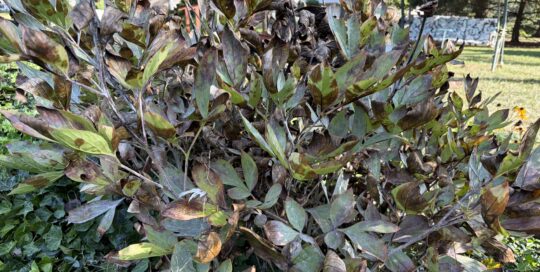
Peony Problems
Amy's Videos
Membership Has Its Perks

Become a registered user and get access to exclusive benefits like...
- Ask The Expert Questions
- Newsletter Archive
- PlantersPlace Magazine
- Members Photo Gallery
- Product Ratings & Reviews
- Garden Club Samples
Here’s more information about gardening that you’re going to want

Watch a Gardening Video

Learn About Osmocote Products

Read a Gardening Blog