
Rat Tail Radish
Views: 684
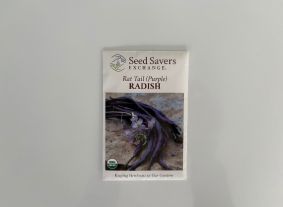
Traditional radishes are famous for their (typically) red swollen roots and quick crop time. But did you know there’s another type of radish? I did not until just this week! The heirloom rat tail radish rat tail radish turns the traditional idea of a radish upside down. Instead of forming an underground bulb, this unusual plant produces long, crunchy seed pods above ground that taste just like a peppery radish.
In recent years, chefs and home gardeners have been rediscovering this old heirloom for its versatility, heat tolerance and the sheer novelty of it. Unusual vegetables and garden diversity are having a moment now, and the rat tail radish is enjoying a well-deserved comeback.
What Is Rat Tail Radish?
Rat tail radish is a form of Raphanus sativus, the same species that produces familiar table radishes. This variety, however, has been bred for its edible seed pods rather than its roots. The plant is believed to have originated in Southeast Asia, particularly in India and Java, where podding radishes are a familiar site in kitchens and dishes.
With these radishes, you actually let the plants flower. Once they do they will produce clusters of slender pods along tall stems. These pods are the real prize. They typically grow 4–12 inches (10–30 cm) long, and have a crisp texture and a bright, spicy radish flavor. Harvest when the pods are still young and tender, before the seeds inside begin to swell.
Not a Typical Radish Harvest
Unlike root radishes that are harvested once and pulled from the ground, rat tail radish provides a continuous harvest. The plants grow vigorously and can reach 3–5 feet (0.9–1.5 m) tall. As long as you keep picking the pods, the plant continues producing more.
This extended harvest window is one of the reasons gardeners love growing them. A few plants can supply weeks of crunchy pods for the kitchen. The flowers are another bonus. Like many members of the brassica family, rat tail radish produces small white to pink blossoms that attract bees and other pollinators to the garden.
How to Use Rat Tail Radish in the Kitchen
The pods have a versatile flavor that works in both raw and cooked dishes. Common uses include:
- Sliced fresh into salads
- Tossed into stir-fries
- Pickled for a tangy snack
- Added to curries or vegetable dishes
- Used as a crunchy garnish
In many ways, the pods can be treated like green beans—with a radish-like kick.
Easy to Grow in the Garden
Growing rat tail radish is a pretty easy endeavor. Just sow seeds directly in the garden after the last frost, spacing plants about 12–18 inches apart. Plant in full sun and in fertile soil. If not, that’s okay because they are generally forgiving.
Because the plants grow taller and branch more than other radishes, they appreciate a little room to spread. Harvesting usually begins about 50–60 days after sowing, once the first pods begin forming.
While this radish is usually grown in garden beds, it can also perform surprisingly well in large containers. Choose a pot at least 12 inches (30 cm) deep, provide a sturdy support or cage if needed, and keep the soil consistently watered.
Varieties Worth Trying
Several varieties of podding radish are available through seed companies and heirloom seed exchanges. A few popular choices include:
- ‘München Bier’ – A vigorous heirloom that produces long, flavorful pods.
- ‘Thai Podding’ – Known for abundant pod production and strong flavor.
- ‘Madras’ – A traditional variety with slightly curved pods.
- ‘Purple’ – A purple-podded radish that adds color to the garden and the dish.
Part of rat tail radish’s allure is simply just how unusual it is. For adventurous gardener types, it offers something different, a conversation starter. And for cooks, it’s a fresh twist on a familiar flavor profile—and there’s so much more you can do with it!
If you’re looking to add something unexpected to your vegetable garden this season, rat tail radish might just be the crop that keeps everyone asking, “What is that?” 🌱
Meet Ellen Wells

When you’re raised on a farm, you can’t help but know a thing or two about gardening. Ellen Wells is our expert on edible gardening.…
Membership Has Its Perks

- Ask The Expert Questions
- Newsletter Archive
- PlantersPlace Magazine
- Members Photo Gallery
- Product Ratings & Reviews
- Garden Club Samples
More information about edible gardening that you’re going to want

Edible Gardening Videos

Edible Gardening Podcasts

Got a Edible Gardening Question?