

Beetles: The Good, the Bad, and the Ugly
Views: 648
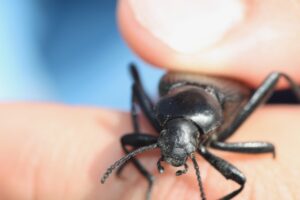
You pick up a rock, and a large, shiny black beetle scurries away. Should you squish it? The answer is no, but this is a great opportunity to explore the positive and negative roles beetles play in the garden.
Beneficial Helpers in the Garden
To some people, beetles appear menacing. Many of them, such as the predatory ground beetle, are larger than most garden residents and just look ready to do some damage. But they are our allies. This is why it’s important to figure out which ones we need and which we don’t. Let’s explore which beetles are beneficial before addressing the more troublesome ones, starting with the good guys.
Predatory Ground Beetles
This common species is one of the most effective beneficial insects in the garden. They may not look friendly, but they typically do not pinch even when handled. They prey on caterpillars, other larvae, fly maggots, and any tiny soil- or plant-dwelling organisms. Consider them the cleanup crew. They’re often found in protected areas. To encourage their presence, provide hiding places.
Welcome, Lady Beetles
Gardeners already have an affinity for lady beetles (also called ladybugs), which are important in pest control. Both the larvae and adult lady beetles feed upon aphids, mites, scale insects, and any soft-bodied insect that crosses their path. Beyond predatory ground beetles and lady beetles, other helpful beetles are worth welcoming as well. Releasing them in the garden isn’t terribly helpful at that moment, but if you can establish a consistent population, you’ll notice the positive impact. To do so, be conscientious about creating an ideal habitat by providing protected areas and moisture, and, most importantly, not over-spraying your garden to eliminate all the insects it needs for food.
Marching on to Soldier Beetles
There are well over a dozen species of soldier beetles that range from looking very similar to fireflies or sporting bright yellow coloration to blend in with the flowers they love. As larvae and adults, they feed on small insect eggs, aphids, and caterpillars. And, as adults, they’re excellent pollinators in the garden as they often feed upon pollen and nectar. With these beetles aiding your garden, let’s now consider some beetles that bring challenges. Be sure to intersperse your vegetable garden with flowers, particularly milkweed, Queen Anne’s lace, and goldenrod, to encourage them to stay around.
Japanese Beetles’ Double Damage
Japanese beetles are harmful to the landscape on many levels. The grubs, or larvae, overwinter in the lawn and chew grass roots, causing excessive damage. As adults, these iridescent beetles are voracious. They do not seem picky, but they particularly love roses. The good news is that ground beetles prey on soil larvae and can reduce their numbers before they hatch. Next, let’s look at another beetle you may need to manage: the cucumber beetle.
How can I control beetles that are eating my garden?
Cucumber Beetle Woes
Cucumber beetles also affect the garden in two ways. The adults feed on the plants. They can also spread bacterial wilt disease from plant to plant. If the infestation’s stress doesn’t kill the plant, bacterial wilt can. Once you have cucumber beetles, they’re tough to handle. Hand-pick them or use sticky traps. If you had them in previous years, consider covering cucumbers and squash with floating row covers as a barrier. Plant a trap crop of squash or similar plants. This way, you protect your favorites and focus the spray on just that plant. Now, let’s turn to another notorious beetle: the Colorado potato beetle.
Protect your plants from leaf eating beetles
Save the Spuds from Colorado Potato Beetles
Like the cucumber beetles, Colorado potato beetles wreak havoc on your crop. If they are present, handpick as many as you can, use diatomaceous earth, or try a soapy water spray. But this is another example of how beneficial beetles could be before the season. Ground beetles and lady beetles are both known to eat the eggs and the larvae, so if you have a healthy ecosystem, you can have these beetles working for you.
Not all beetles are bad. Even if they look scary, consider what they might be able to do for you. By creating a healthy habitat, they help the garden thrive daily.
Meet Amy Grisak

Amy is a freelance author and photographer in Great Falls, MT who specializes in gardening, foods, and sustainable agriculture. She provides information on every kind…
Amy's Recent Posts
What’s Eating My Strawberries?
How to Tell the Difference Between Weather Stress and Disease
Amy's Videos
Membership Has Its Perks

- Ask The Expert Questions
- Newsletter Archive
- PlantersPlace Magazine
- Members Photo Gallery
- Product Ratings & Reviews
- Garden Club Samples
Here’s more information about gardening that you’re going to want

Watch a Gardening Video

Learn About Osmocote Products

Read a Gardening Blog