
Adding Worms to the Garden
Views: 547
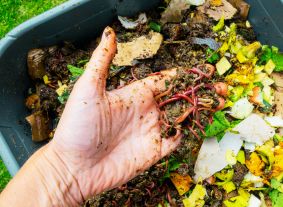
Adding worms to your gardening routine has numerous benefits, including improving soil health, reducing waste, and helping your vegetables grow to be their finest. Worms such as red wigglers and European Nightcrawlers are commonly used in three different ways: vermicomposting systems, outdoor compost piles, and directly in garden beds.
A Worm “Apartment”
I started my foray into worm composting several years ago with an a vermicomposting “apartment” or worm bin. This is a four-tiered, stackable system that is one of the easiest ways to recycle kitchen scraps indoors. Red wigglers are the best worms for these systems because they thrive in shallow bedding and quickly break down fruit and vegetable scraps, coffee grounds, shredded paper and other common household food items. As the worms work at “eating” this food they break it down into nutrient-rich castings (okay, sure, let’s call it what it is—worm poop). Add these castings (which are surprisingly odorless) into potting soil or spread around your vegetable plants. A small worm bin can fit in a utility closet, a basement, or in a garage, making it practical even for gardeners without outdoor space.
I’ll be honest, when I tried the indoor vermicomposting system, I did develop a bit of a flying insect issue. They were soldier flies, which are not so pleasant indoors. But the fault wasn’t with the system but with myself. There’s a proper method for maintaining a certain moisture content, cutting down on exposed food scraps and providing enough bedding for the worms. Just because I failed doesn’t mean you should try.
I have since moved my 4-tier worm bin outdoors under a shady tree and am aiming for success.
Worms in the Compost Bin
I have a compost bin to which I’ve been adding kitchen scraps for the last year. Typically one would add scraps for six months and then close it down for six month and let it “cook” into compost. Adding worms to it, however, can supercharge the process.
In outdoor compost systems, worms can help speed up decomposition by feeding on partially broken-down organic matter. Their movement through the piles of scraps and brown materials improves airflow and moisture distribution and their castings add valuable nutrients to the system.
If your compost pile stays consistently moist and contains plenty of plant-based material, worms will often establish themselves in it naturally, especially if your pile sits on the ground. If you have a raised compost bin like I do, adding some composting worms can help jump-start the process.
Worms in Garden Beds
If you have raised beds or in-ground vegetable gardens, worms may already be present, acting like tiny soil engineers. As they tunnel through the soil, they improve drainage and reduce compaction while helping plant roots access oxygen and nutrients. Their castings contribute beneficial microbes and slow-release fertility that support healthy vegetable growth.
You can add worms when building new raised beds or after incorporating compost into existing garden soil. I had purchased red wiggler worms for my vermicomposting bin from Uncle Jim’s Worm Farm and took advantage of an offer for a bag of European Nightcrawlers. This variety of worm prefers a soil depth of about 6-8 inches, and my tiered worm bin wouldn’t be deep enough for them. So I dug a hole into my new raised bed, inserted an empty cardboard oatmeal canister in which I punched some holes, and added some food scraps and half of my Nightcrawlers. I covered them with some shredded coir and lightly placed a cap on top to ward off critters. I placed the other half of the Nightcrawlers directly into my full compost bin and closed it down for the summer. Home sweet home for my worms? I hope so.
Meet Ellen Wells

When you’re raised on a farm, you can’t help but know a thing or two about gardening. Ellen Wells is our expert on edible gardening.…
Membership Has Its Perks

- Ask The Expert Questions
- Newsletter Archive
- PlantersPlace Magazine
- Members Photo Gallery
- Product Ratings & Reviews
- Garden Club Samples
More information about edible gardening that you’re going to want

Edible Gardening Videos

Edible Gardening Podcasts

Got a Edible Gardening Question?