
Growing Arugula
Views: 17
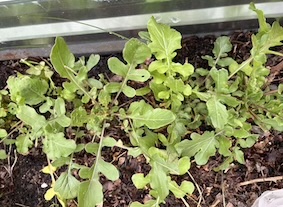
Arugula is one of my favorite leafy salad greens, and it’s funny how I am reminded of that only after not eating it for a couple of years. Seriously, I just don’t have it that often. And when I do, I’m always so thrilled to have it back in my life.
One of the reasons I don’t grow arugula that often is because it is highly delectable to one of my pest nemeses. I’ll talk about that below, but do know that this fast-growing leafy green with its distinctive peppery flavor is well worth the small effort it takes to grow a continuous crop from spring through fall.
How to Grow Arugula
Arugula, also known as rocket, is one of leafy greens that does well in either full sun or partial shade, really opening up your choices in your own garden. It grows best in cool temperatures, and some afternoon shade can help keep plants from bolting, or sending up its flowering stalk, when the weather warms.
Sow arugula seeds directly in the garden. Sow seeds about ¼ in. deep in loose, well-draining soil that has been amended with compost or other organic matter. Keep the soil consistently moist while seeds germinate, which typically takes about a week.
Once seedlings emerge, you can thin them to about 3 inches apart to grow larger plants, or if you plan to harvest baby greens, you can grow plants more closely together. I did the latter this year, trimming the top 3-5 inches of greens in a cut-and-come-again harvesting method for a continuous crop of arugula.
Arugula has shallow roots, so it’s important to not allow the soil to dry out completely. A layer of mulch such as leaf mulch can help maintain consistent soil moisture and keep roots cool.
When to Plant
Arugula is a cool-season crop. Sow seeds in early spring as soon as you can work the soil. Plant a short row every week or two for a steady harvest.
For a fall harvest, sow seeds in late summer. In mild climates, arugula can continue growing well into fall and may even survive light frosts.
When temperatures rise, arugula can bolt quickly. Bolting produces a flower stalk and can make the leaves more bitter. I was able to keep a steady crop going this summer without the plants bolting, so see what works for you.
Harvest when they begin to flower, or allow some plants to bloom as the small white flowers are edible and attract pollinators.
Harvesting Arugula
Begin harvesting baby leaves when they’re a few inches long. For a continuous harvest, pick the outer leaves while they’re young and allow the center of the plant to keep producing. I used the cut-and-come-again technique of trimming the entire plant to about 3 inches above the soil line. That keeps the center of the plant intact and continuing to grow.
Arugula Pests
This is where we talk about my pest nemesis, the flea beetle. Flea beetles like crops that have a slight bitter taste such as arugula and brassica crop. These tiny jumping insects chew small holes throughout the leaves, especially on young plants. Cover seedlings with floating row cover to bar the pests from reaching the young seedlings. I somehow escaped the flea beetles this year, thankfully.
Caterpillars, including cabbage worms, may also chew holes in the leaves. Check plants regularly and handpick any caterpillars you find. I also escaped cabbage worm damage because those little bugs were too busy chewing my kale.
For my own row of arugula, I’ll cover it and keep it protected from fall’s first frost, eking out a few more weeks of harvest. Have you had it on a gourmet pizza along with a few shaves of parmesan? You should give that a try, for sure.
Meet Ellen Wells

When you’re raised on a farm, you can’t help but know a thing or two about gardening. Ellen Wells is our expert on edible gardening.…
Ellen's Recent Posts
Corn Earworm on Eggplant
Testing DIY Ollas in a Vegetable Garden
Membership Has Its Perks

- Ask The Expert Questions
- Newsletter Archive
- PlantersPlace Magazine
- Members Photo Gallery
- Product Ratings & Reviews
- Garden Club Samples
More information about edible gardening that you’re going to want

Edible Gardening Videos

Edible Gardening Podcasts

Got a Edible Gardening Question?