
Storing Sweet Potatoes
Views: 15
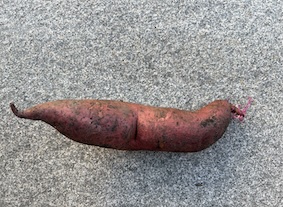
In my previous blog post, I explained why curing sweet potatoes is necessary before storing them—and how I cured my own crop using a storage bin, an open quart of water, and the warmth generated in my snug laundry room. Now that the curing process is complete, it’s time to put my sweet potatoes into storage. And, of course, I’ve already encountered a hiccup along the way.
Why Store Sweet Potatoes?
Properly cured sweet potatoes can be stored for several months, extending the life of your harvest well beyond the growing season. Without a way to store them, you’d have to eat your entire crop relatively quickly or preserve it by cooking, freezing, or another method.
I’ve cooked and frozen sweet potatoes before, cutting them into cubes before putting them in the freezer. It works, but the texture changes somewhat. Being able to cure and store sweet potatoes means I can enjoy them gradually, without having to cook and preserve the entire harvest at once.
From Curing to Storage
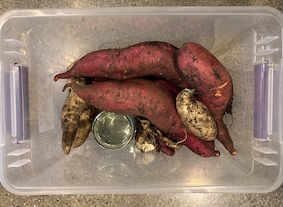
As you may recall from my previous post, I cured my sweet potato crop using a technique demonstrated by a YouTuber known as The Millennial Gardener. My one change was that, instead of using a seedling heat mat to create warmth inside the storage bin, I put the bin in my laundry closet. The motor of my mini chest freezer, along with the heat generated by the washer and dryer, helps keep the closet warm.
The curing process takes about 7 to 10 days. Once the sweet potatoes are properly cured, they can move into long-term storage. Over time, their flavor continues to develop as enzymes convert some of the starches into sugars, resulting in sweeter, richer-tasting sweet potatoes.
How to Store Sweet Potatoes
You worked hard for your sweet potato crop, and you don’t want to drop the ball when you’re so close to the finish line. A few simple storage practices can help keep your harvest in good shape:
- Gently brush off excess soil before storing. Don’t wash the sweet potatoes.
- Give them some ventilation. Store them in a loosely ventilated bag or bin, or in a mesh basket. Don’t seal them in an airtight container.
- Keep them away from other produce. Store sweet potatoes separately from fruits and vegetables that produce ethylene as they ripen.
- Choose the right location. Ideally, sweet potatoes should be kept somewhere dark, well ventilated, and around 55–60°F with moderate humidity.
- Don’t refrigerate them. Temperatures below about 50°F can cause chilling injury, resulting in a hard core and darkening of the flesh.
- Check them periodically. Every now and then, inspect your sweet potatoes and remove any that show signs of rot or deterioration before the problem spreads.
Making Do With What I Have
Yet again, I don’t have the recommended conditions.
I don’t have a basement or a room that stays at 55–60°F. What I do have is a closet under my stairs that’s in the middle of the house, protected from drafts and away from direct heat sources. It stays at a relatively consistent 65°F.
It’ll have to do.
I’m also going to keep a close eye on my sweet potatoes because I may have another snag to contend with.
During the curing process, I unknowingly sealed the storage bin shut with its cover instead of leaving it slightly ajar for ventilation. The resulting warm, humid conditions caused some of the sweet potatoes to begin sprouting.
Way too early!
I’ll be checking them periodically to see whether those sprouts continue to grow—and, more importantly, whether any of the potatoes show signs of rot or other damage.
I have about three more weeks to go before I feel comfortable using the crop for its intended purpose.
I can’t wait to taste my very first homegrown sweet potato harvest!
Meet Ellen Wells

When you’re raised on a farm, you can’t help but know a thing or two about gardening. Ellen Wells is our expert on edible gardening.…
Ellen's Recent Posts
Curing Sweet Potatoes: How to Prepare Your Harvest for Storage
Growing Sweet Potatoes: White Bonita vs. Bayou Belle
Membership Has Its Perks

- Ask The Expert Questions
- Newsletter Archive
- PlantersPlace Magazine
- Members Photo Gallery
- Product Ratings & Reviews
- Garden Club Samples
More information about edible gardening that you’re going to want

Edible Gardening Videos

Edible Gardening Podcasts

Got a Edible Gardening Question?