
Plan Your Fall Vegetable Garden
Views: 1410
It’s time to start thinking about your fall vegetable garden. I know, I know, it’s the middle of July and the summer season has just hit its stride. Tomatoes are coming on, peppers are ripening (mine have come earlier than usual) and everything in the squash family is growing and producing exponentially every day.
But like any good product developer will tell you, when one product is peaking, it’s time to get your next product up and going. In this case, it’s your fall garden and all the goodness it can give you before fall’s frosts take it away. And depending on your zone and the tools you have available, you may be able to stretch that fall garden well into winter.
When to Plan Your Fall Vegetable Garden
Late July to early August is prime time to start planning your fall garden. In other words, now. It may feel early to think of fall, especially when you are spoon deep into a big bowl of cooling ice cream, but your fall gardening success depends on timing. Most fall crops need to be planted in late summer, so you’ll want to plan your space, prepare your beds and get seeds or seedlings ready now.
What to Know
You have a lot going on in August, especially if you have children (hello, back-to-school time). Take a moment now, perhaps when the kids are splashing in the community pool, to determine the following:
First Frost Date. The most important thing to know before planning your fall garden is your average first frost date. This determines your optimal start date. You’ll want as much time as possible for your crops have to mature before cold weather sets in. Count backward from that date using the “days to maturity” listed on your seed packets. For example, if your first frost is mid-October and your chosen crop takes 60 days to mature, you’ll want it in the ground by mid-August.
What to Plant. I mentioned seed packets above. Well, what do you want to harvest from your fall vegetable garden? Figure that out, buy the seeds and get those seeds started before that item’s “days to maturity” date. You’ll save yourself a week or two if you buy seedlings or transplants from your local garden center.
Cooler fall weather is best for veggies that prefer cooler temps. The categories that excel in this season include:
- Leafy greens like kale, spinach, arugula and Swiss chard
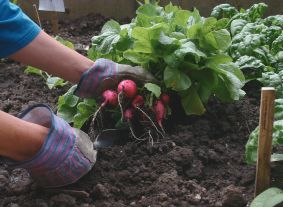
- Root crops such as carrots, beets, turnips and radishes
- Brassicas like broccoli, cauliflower, cabbage and Brussels sprouts
- Alliums including garlic and scallions (plant garlic in late fall for a summer harvest)
Are you reading this in September and find yourself running out of time before frost? You still have time to plant and harvest quick-turnaround crops such as lettuce, mustard greens, baby kale and carrots, all of which can mature in 30–45 days.
Tips for Success
There are steps you can take to make your fall garden run more smoothly.
- Summer crops have used a lot of nutrients over their lifetime, and your garden’s soil can be depleted. Refresh its nutrients with some compost dug into your planting holes. Alternatively, apply a balanced fertilizer to help those fall veggies get going as fast as possible.
- Start your seeds indoors where you can control the temperature and sun exposure. August’s sun can be punishing, and there’s no need to stress out your seed’s germination and subsequent growth.
- Water consistently. It may be a bit cooler in late summer, but it can also be dry. Seedlings need steady moisture.
- Use row covers to protect against early frosts or extend your harvest into winter.
The best thing about gardening in the fall is the weather— it’s that much more pleasant! A little planning now will result in a hearty harvest this fall.
Meet Ellen Wells

When you’re raised on a farm, you can’t help but know a thing or two about gardening. Ellen Wells is our expert on edible gardening.…
Ellen's Recent Posts
Growing Sweet Potatoes: Slips vs. Old Tubers
Growing Arugula
Membership Has Its Perks

- Ask The Expert Questions
- Newsletter Archive
- PlantersPlace Magazine
- Members Photo Gallery
- Product Ratings & Reviews
- Garden Club Samples
More information about edible gardening that you’re going to want

Edible Gardening Videos

Edible Gardening Podcasts

Got a Edible Gardening Question?