

Pests and Diseases to Watch for in 2026
Views: 134
As we wrap up 2025, it makes sense to reflect on the challenges we faced this year and how to prepare for them in the next. It’s also wise to take a big picture. Look at what is going on around us so we can plan accordingly. Let’s take a look at a few pests and diseases to watch for in 2026.
When Disease Resistance Doesn’t Work Anymore
Many of us are familiar with the problem of antibiotic resistance, which has become so problematic over the years. A similar situation occurs with bacterial pathogens, which is why using streptomycin on fire blight on fruit trees is no longer recommended. But it also happens with fungal issues.
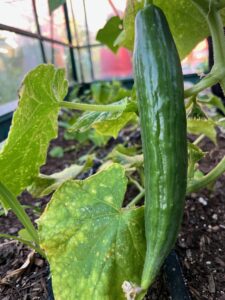
There have been increasing reports of downy mildew in cucumbers, which are not controlled by traditional disease-resistant varieties. Now, in the eastern part of the country and in the mid-Atlantic states, some extension offices are recommending growers to use a fungicide as prevention because the strain is more aggressive.
It’s still wise to choose disease-resistant varieties with this particular fungus, but do keep that in the back of your head. If you see any inkling of a fungal issue, treat it immediately.
Word in gardening circles is that late blight is making a reappearance, even in previously resistant varieties. This fungus, which is caused by Phytophthora infestans. It’s important for us to remember that many of these pathogens have multiple strains. So, even though it is this particular type of fungus, there are multiple variations within it, which is where the weak spot lies with some of these disease-resistant varieties.
Late blight is absolutely devastating in the garden, which is why we want to avoid it. One variety I’m trying this year is BadaBing tomato, an All American Selection winner, partly because it is reputed to have exceptional disease protection (including Septoria leaf spot and early blight), as well as being tasty and productive.
When it comes to staying ahead of the resistant pathogens, a good practice is to plant different disease-resistant varieties. Breeders focus on different genotypes of these pathogens, and when we choose different varieties, we are also incorporating these changes into our garden plan. It’s just another small step in preventing fungi and bacteria from adapting.
Jumping Worms are Nightmare Fuel
Invasive jumping worms are a species that originated in Asia and have been in the eastern United States for several decades, but it appears they range is expanding. They are larger and more active than our typical earthworms, and are often described as moving in a snake-like manner. The problem with them is that they tend to stay near the soil surface and are experts at consuming organic material. While this doesn’t sound like a problem, because they are doing this on the surface, it depletes nutrients at this top level and removes feeding material for earthworms that typically thrive deeper within the soil. Because the jumping worms are so superficially located, even their nutrient-rich castings do not reach the roots where they are best utilized.
One way to determine whether jumping worms are present is to mix 1/3 cup of ground mustard seed, preferably a hot variety, with 2 gallons of water. Mix this up and pour it over a square foot of soil. All the worms in the area will come to the surface, so you can easily identify the jumping worms.
Watch for Rodent Pressure
With winter upon us, it’s also important to keep an eye out for rodent damage to your shrubs and garden. In our neck of the woods in the Western United States, voles will tunnel just underneath the surface and are known to chew on vegetation. They really like shrubs, but they can’t affect perennials. Plus, their tunnels make the yard look terrible. There are many different concoctions to discourage them, but in my experience, setting simple snap traps is the most effective approach.
Keep your eyes open for mice, as well. Depending on the level of food sources in the item and heading into the winner, they can become very active. Live traps are available, but, of course, depending on where you live in the country, you should be very cognizant of hantavirus. Snap traps also work as well as anything. Avoid the glue traps at all costs because they are inhumane, and poisons are problematic because other animals can be impacted.
These are just a few things to watch out for as you head into winter, and to consider when planning your garden for 2026.
Meet Amy Grisak

Amy is a freelance author and photographer in Great Falls, MT who specializes in gardening, foods, and sustainable agriculture. She provides information on every kind…
Amy's Recent Posts
It’s Time for Garden Cleanup!

Can Planting Spring Bulbs Cause Skin Irritation?
Amy's Videos
Membership Has Its Perks

- Ask The Expert Questions
- Newsletter Archive
- PlantersPlace Magazine
- Members Photo Gallery
- Product Ratings & Reviews
- Garden Club Samples
Here’s more information about gardening that you’re going to want

Watch a Gardening Video

Learn About Osmocote Products

Read a Gardening Blog