

The Pros and Cons of a Sunflower Forest
Views: 30
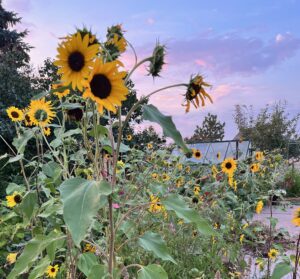
I have a love-hate relationship with sunflowers. Their bright yellow blossoms are striking in the garden, and I appreciate how they benefit birds, but they can take over if you don’t check them early. On top of that, sunflowers have positive and negative qualities folks should consider before letting them go wild.
Bold and Beautiful Sunflowers
One of the best aspects of sunflowers is their riot of bright, happy colors and striking appearance. Whether tall and stately or short and bushy, sunflowers are a “wow” factor in the garden.
Food for Birds and People
I grow most of my sunflowers to feed the birds during the winter. It’s hard for me to pull them at the end of the season until sparrows, finches, and chickadees finish cleaning out the seed heads. We can also grow varieties specifically for human food, but we must take measures not to share them with the birds while the seeds ripen.
How to Help Birds Prepare for Winter
Sunflowers are Plus for Pollinators
It’s marvelous how many pollinators utilize the bright blossoms. Honeybees and native bees gather on the flowers, along with other insects I need a reference to identify. It seems like an entire ecosystem in a single flower. For those of us who encourage the beneficial insects in the garden, sunflowers are a powerful ally.
Sunflowers Break Up Heavy Soil
Sunflowers send down taproots that can break up heavy, clay soil. This can be a drawback when you’re trying to remove them at the end of the season, but some people let them remain in the garden to decompose on their own when they’re not in the way.
Heavy Feeders
On the flip side, sunflowers are heavy feeders that draw down soil nutrients, particularly nitrogen. Keep this in mind because areas of the garden may need additional amendments afterward. If you’ve grown sunflowers in areas of the garden that now seem to be lagging, check the nutrient levels to see what you need to add to the soil.
Allelopathic Qualities
Sunflowers are also mildly allelopathic, meaning their fallen leaves release compounds that stunt nearby plant growth, especially seedlings. Gardening tradition warns against planting sunflowers near potatoes and pole beans, although evidence is spotty on why these two crops are particularly affected. In general, it’s wise to give sunflowers space from other crops and clean up the debris at the end of the season instead of letting it break down into the soil.
Shading Parts of the Garden
My biggest complaint with flowers is the shade they produce. It’s easy to plant small plants in the spring, envisioning pretty yellow flowers later in the summer, but the reality is that when you have a large number of them grown close together, they effectively block the sun. This year I intended to reduce the sunflower levels greatly, but an emergency pulled me away in July, and I came back to a jungle.
This isn’t to say sunflowers don’t have a place in the garden, because they do. They are immensely valuable for pollinators and birds, and it’s hard not to be happy around them. That said, it makes sense to keep them in their own area, where birds and bees can enjoy them, without shading or affecting other crops.
Meet Amy Grisak

Amy is a freelance author and photographer in Great Falls, MT who specializes in gardening, foods, and sustainable agriculture. She provides information on every kind…
Amy's Videos
Membership Has Its Perks

- Ask The Expert Questions
- Newsletter Archive
- PlantersPlace Magazine
- Members Photo Gallery
- Product Ratings & Reviews
- Garden Club Samples
Here’s more information about gardening that you’re going to want

Watch a Gardening Video
Learn About Osmocote Products
Read a Gardening Blog