
Flower Gardening

Preserve the Season by Drying Your Flowers

By Jean Starr

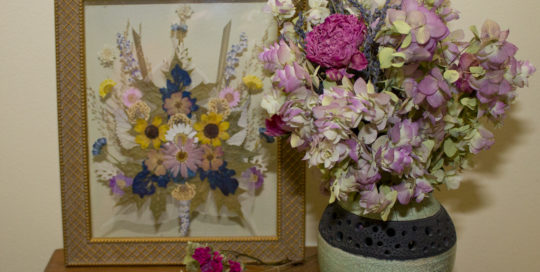
It might be time to kiss your garden goodnight for the season, but that doesn’t mean you have to do without flowers. Drying some of your favorites and creating arrangements from them is the next best thing. Some flowers practically dry themselves, and those are the ones featured here. These seven flowers can be easily dried by hanging them upside down in a dark, dry space.

Find a spot in your house that stays dry and dark. It could be an unused closet, a little-used room, or, in my case, a sauna (turned off, of course). I installed a shower rod across the space and rounded up some wire clothes hangers to hook the flowers on. Medium-sized rubber bands and paper clips round out the list of tools.

The most challenging part of drying flowers is picking them at the ideal time. Don’t pick them after a rain or morning dew. Wait for the sun to dry the flower on its stem before picking. Harvest flowers after they’ve opened; flower buds never dry well. Once you’ve picked, rubber band their stems together in small bunches and hang upside down in a dry, dark space. While some flowers have strong enough stems to dry while in a vase, most flowers benefit from hanging upside down to help keep their stems straight.

Here are seven of the easiest flowers to dry:

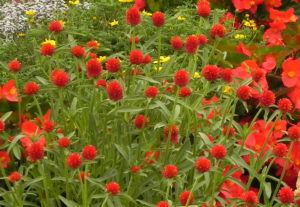
Gomphrena,

or globe amaranth is one of the easiest to dry, its ball of spiky bracts all but hiding its tiny flowers. The key with Gomphrena is to pick them before they have been open too long and their bracts begin to brown at the juncture between flower and stem. Find taller varieties (18” – 30”) like ‘Truffula Pink’, or ‘Ping Pong’ at your local garden center, or start plants from seed in the spring. Johnny’s Select Seeds offers a nice variety of colors.
Strawflowers (Helichrysum bracteatum)

should be picked when they’re half-way open. It’s easy to tell when they’ve gone past their ideal picking time when their centers begin to turn brown. Tall varieties are scarce at most nurseries, but can be started from seed. Swallowtail Garden Seeds offers a rainbow of choices.

Ornamental oregano

is one of the best fillers for dried arrangements. One that practically dries on its own is ‘Kent Beauty’. Its stems are very thin, so as it grows, it will be more likely to run along the ground. To keep them clean, cover the soil surrounding the plant with a layer of pebbles or wood mulch. Taller varieties can be found occasionally at garden centers or purchased from specialty nurseries like Mountain Valley Growers in Squaw Valley, CA.

Peonies

dry surprisingly well, but you’ll have the most success with the double varieties in medium pink to red. The pale colors will turn brownish. For the best results pick peony flowers on a dry day just as they’ve opened fully. Hang each peony stem individually or staggered so their blooms aren’t crushed. A few varieties that have worked well for me include ‘Dayton’, Pink Derby’, ‘Big Ben’, and ‘Exotic Sunflower’.

Lavender

dries well and has the bonus of maintaining its scent long after its dried. For drying and keeping its scent and color, take a look at the selection at Goodwin Creek Gardens. Lavender stems hold up better if they are picked when about half of the buds are in bloom. Just a few varieties for drying include ‘Grosso’, ‘Sensational’, and ‘Gros Bleu’.

Hydrangea paniculata and H. arborescens

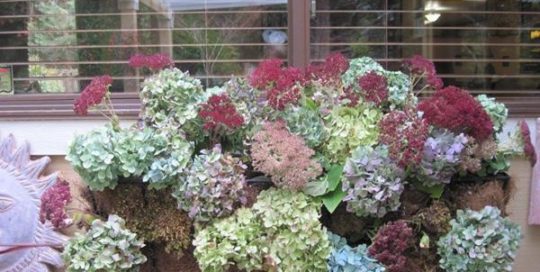
can be easily dried with their stems upright in a vase. With any Hydrangea bloom, it’s important to wait until the florets all are completely open. Hydrangea varieties ‘Incrediball’, and ‘Incrediball Blush’ dry incredibly well if you pick them after their petals have dried a bit on the plant. Panicle Hydrangeas ‘Vanilla Strawberry’ and ‘Limelight’ also dry very well in a vase.

Celosia

There are three common types of ornamental Celosia that can be used for drying: wheat, plume, and crested.

    • The wheat types of Celosia are the easiest to work into a garden setting, offering a more subtle, upright form with flowers elongating as the summer wears on.
    • The plume type of Celosia is hard to ignore in the garden; its flowers keep growing until they set seed, at which time it’s too late to harvest them. Celosia Kelos ‘Candela Pink’ is All-America Selections choice for 2021. Judges liked its ability to keep on blooming all summer, keeping its bright pink color and, as an added bonus, can be used for dried arrangements.
    • Crested Celosia is, in my opinion, an acquired taste—more of a novelty than a “plays well with others” garden plant. This form is often referred to as cockscomb for its resemblance to the bright poultry organ. Tall varieties can be hard to find at garden centers, but they can be started from seed.

WHAT TO DO WITH DRIED FLOWERS AND PLANTS

You can be creative with crafting dried flowers or just chuck your flower stems in a vase. About the vase?

  1. Choose a vase that can’t be seen through. No one wants to look at dried flower stems.
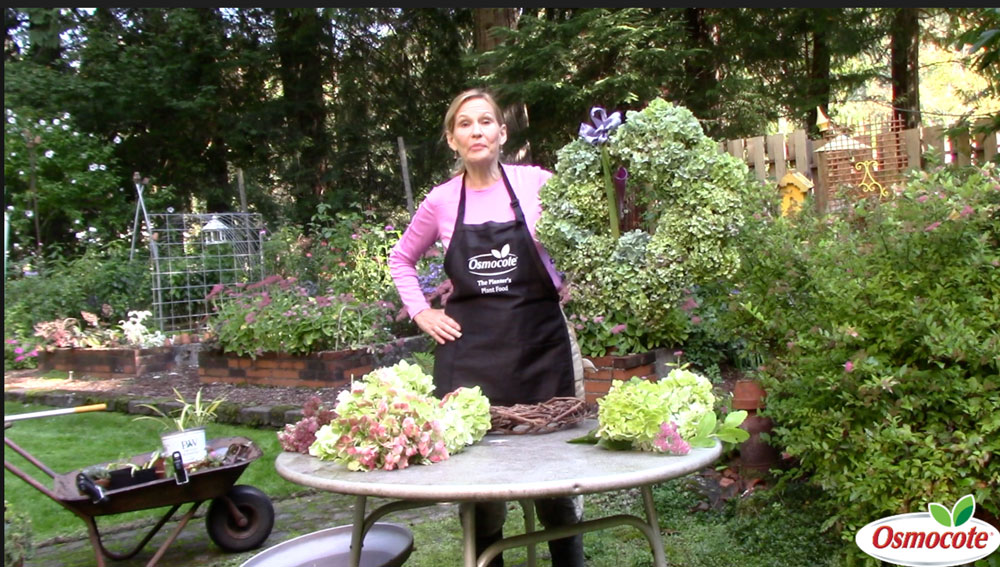
  2. Create a wreath. Wreath-making is best done with fresh stems because they’re more pliable and easier to work with. Mountain Valley Growers, in Squaw Valley, CA, offers step-by-step instructions along with suggestions of plants for the project.
  3. Make a simple, fragrant lavender sachet. I used organza gift bags, added some beads and lavender stems and made ornaments for my Christmas tree.
  4. Make a lavender wand.


Use the plants listed in this article, or try some of the flowers you already are growing. There are pressed flower crafts that can use even more varieties. Whether you grow your own blooms or buy a bunch when you can, knowing you can preserve them will have you looking at flowers in a whole new light.

Related Featured Articles

dried flowers in opaque vase
How to Dry Flowers
By Jean Starr
Read article
Fall Container Planting Ideas for Your Garden
By Marianne Binetti
Read article

Related Videos

Hydrangea Wreath
Runtime: 6:15
Watch Video
The Secret to Pruning Lavender with Marianne Binetti
Runtime: 2:54
Watch Video

Related Blogs

Make A Simple Terrarium
Make A Simple Terrarium In 3 Easy Steps
By Paula Palma
Read this post
Aged Terracotta
Chalky, Mossy, Rustic Pots & Where To Find Them
By Paula Palma
Read this post

Here’s more information about gardening that you’re going to want

Membership has its perks!

Become a PlantersPlace member! Registered users can ask Marianne Binetti questions, create personal photo gallery and post product reviews.