

Is warm weather weighing on your garden? Here are water saving tips for the garden plus a couple more for keeping the gardener cool.
1. Water without wasting
Position sprinklers so that no water falls on pavement or other areas that have no plant life. Dig into the soil to check for moisture before you water. Most lawns need one inch of water a week to stay green. Trees and shrubs need even less.
Lawn care tip: In many areas you can let the lawn ‘go golden’ or dormant during the summer. Don’t dispair! It will green back up in the fall when the rains return.
2. Use a drip system when you can
Change sprinkler heads to drip system heads. Connect to narrow water tubes, sometimes called spaghetti tubing. Direct the precious water tubes right to the root zone of specific plants. You can also use a drip system to water pots and hanging baskets. Discourage the proliferation of weeds by watering just where it is needed. Here’s a good video for installing a drip system.
Drip system tip: Sprinkler and emitter heads get clogged with salt buildup. Soak them with white vinegar for a few hours then scrub with a tooth brush or insert a needle into blocked openings.
3. Invest in soaker hoses or make your own
Turn any leaky hose into a watering device. A soaker hose is especially useful with long and narrow beds. Just poke holes along the length of the hose and then lay it around the base of your plants. When hooked to the faucet water will slowly flow down the hose to the plant’s roots. Less is lost to evaporation. Are you a rose lover? Roses need water. A soaker hose is a good way to give these beauties what they need. Marci Martin wrote the ‘book’ on the vital importance of water for roses.
Mulch and Soaker hose tip: Once you’ve made and tested the soaker hose, cover it with a mulch. The mulch will help to seal the moisture in and it will cool the soil.
4. To water the summer vegetables, put that sprinkler on a ladder
As your vegetables and flowers grow taller a regular sprinkler may not reach all your plants because the spray is blocked by tall growth of the nearest crops. Try mounting the sprinkler on a post, or set the sprinkler atop a ladder. Let the water rain down on a larger surface area.
5. Water early in the morning or in the evening – and enjoy the process.
Plants soak up the most water at night. An evening soak works to fortify the plants before the heat of the day. But, in some climates, damp night foliage can encourage disease. Watering in the morning is best if fungal infections are likely.
Hanging basket Tip: Place a container garden or plant a thirsty shrub below each hanging basket so that the drainage water that drips from the hanging basket is recycled into plants below. This gives you a ‘two for one’ when you water. It can also keep draining water from staining a deck or patio.
Zen Out Tip: Enjoy the ritual of watering thirsty pots. In the morning include a cup of coffee in one hand and the watering can or hose in the other. In the evening bring a glass of wine. Your garden is a great place to enjoy some peace at the end or beginning of the day.
6. Dress for success
Don’t forget to protect the gardener! You know the drill – sunblock, a hat and even a cool cloth on your neck. Invest in shirts and hats that offer excellent UV protection. Who wants to be smothered with sunblock?
Wardrobe Shopping Tip: Look for stores that sell camping and fishing gear. They will carry clothing that protects you from the sun.
7. Don’t forget to protect your feet
Watering plants while wearing flip flops is a quick way to burn the tops of your toes. Try garden clogs or Crocs to protect your toes and the top of your feet.
Sock tip: Use socks that you can roll up and roll down to prevent the dreaded ankle burn.
8. Water, stop, water again
Intermittent watering is the best way to get water down deep to the plant’s roots. Time your sprinklers to come on for ten minutes, then go off for 30 minutes, and then back on, again. The capillary action of water draws it down into the soil. More moisture is absorbed during the second watering. Fact is, water is wasted when sprinklers are left on with no interruption.
9. Look for the dullness before the wilt
Restore dry, wilted plants with prompt watering. However, once a plant gets to the “permanent wilting point” — which is different for each plant — there is no way to revive it. Inspect your plants daily if you can. Look for leaves with a dull or slightly limp appearance. That’s your cue to soak the soil! Acting at the first sign of wilt avoids real damage. Learning to be observant in the garden is a skill that can prevent many problems.
10. Right plant, right place
Yucca, corn, lavender, and cacti can handle the stress of hot weather. Use these plants in your hot spots, especially the West or South side of a house or fence. Note which plants are always thirsty and those that struggle on hot days. Likely candidates are annual flowers in pots and hanging baskets, hydrangeas, and ferns. Grow these close to the house, porch or patio so you’ll be able to offer daily drinks when necessary. More tips on watering container plants can be found at Watering 101.
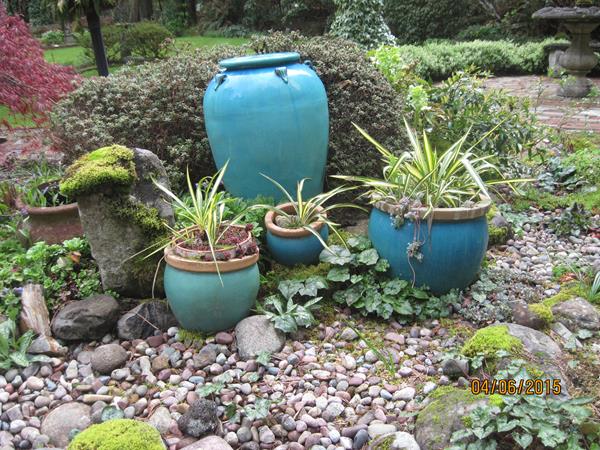
Yucca Plants in Pots – photo by Marianne Binetti
Gardener Education Tip: Visit local parks and nearby gardens. Make a list of plants that thrive during the summer without extra water. Store the list on your cell phone. Consult it when you are looking for new plants at the nursery.
Related Featured Articles
Related Videos
Related Blogs
Here’s more information about gardening that you’re going to want

Watch a Gardening Video

Learn About Osmocote Products
Read a Gardening Blog