

Early‑Season Superstars: Native Alternatives to Daffodils
Views: 75
My daffodils are almost done and gone already, but it’s a good time to think about replacing or supplementing them with more ecologically beneficial natives. While I have seen European honeybees on daffodils, I rarely, if ever, see early-spring butterflies or native pollinators visiting them. I envision them as a “last resort” for insects, a fast-food stop as opposed to a sit-down restaurant. Natives are just better, so here are some alternatives to daffodils to consider adding to your gardens this year.
Spring Beauty (Claytonia virginica)
I grew up admiring Spring Beauty, but I’ll be honest, I didn’t realize they were natives since my mom planted them along with tulips. Their native North American habitat is woodlands and thickets where they form carpets of flowers that are adored by early native bees. It naturalizes gently, and I’ve seen them do well even in sunny spots, provided the soil is rich. The Xerces Society marks Spring Beauty as a plant that is of special benefit to native bees, so prioritize adding them.
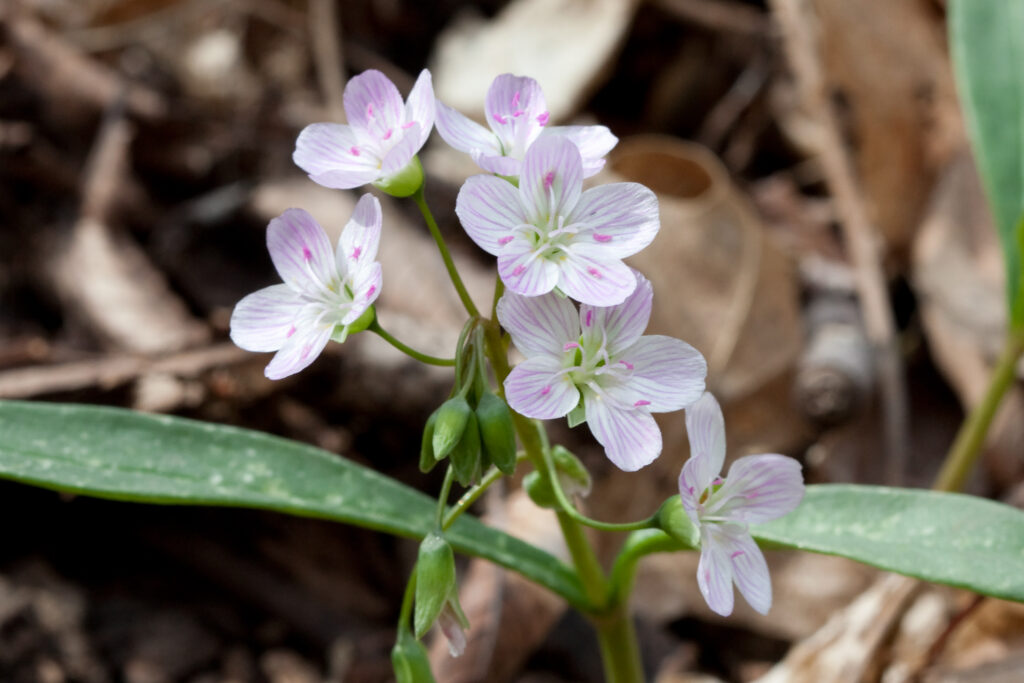
Virginia Bluebells (Mertensia virginica)
Native to eastern North America, Virginia Bluebells attract long-tongued bees like bumblebees just waking from hibernation. They also attract various moths and butterflies. These flowers are native to rich, moist woodlands, and thus thrive in partial shade and moist soils, naturalizing beautifully in woodland gardens.

Virginia Bluebells.
Eastern Red Columbine (Aquilegia canadensis)
If you don’t have rich, moist woodland equivalent flowerbeds, you might try planting drought-tolerant Eastern Red Columbine. It prefers soil that isn’t too rich, doing well in well-drained, sandy soils. For a native with the same early season impact as daffodils but with added wildlife value, columbine is a great one to add. Blooming in early spring, its red and yellow flowers attract emerging hummingbirds and long‑tongued bees.
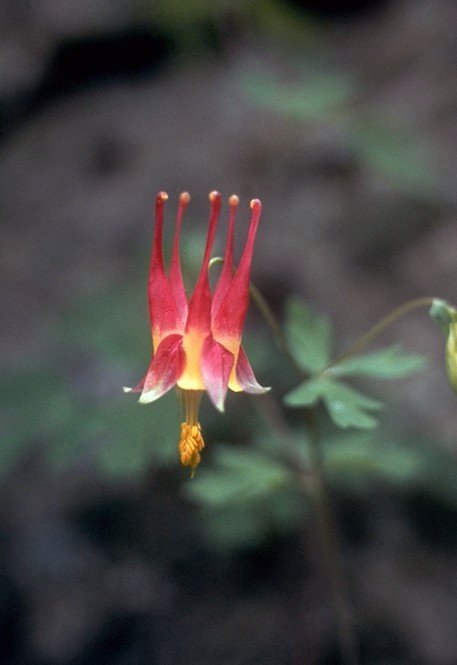
Eastern Red Columbine.
Bloodroot (Sanguinaria canadensis)
Bloodroot is one of the earliest native wildflowers to bloom—sometimes pushing up through snow in March or early April. Bloodroot’s pollen supports early solitary bees. Interestingly, its seeds are dispersed by ants. Plant it in woodland edges, native shade gardens, or under deciduous trees; it prefers rich, moist soils. But don’t eat the roots or rhizomes: they’re potentially deadly.
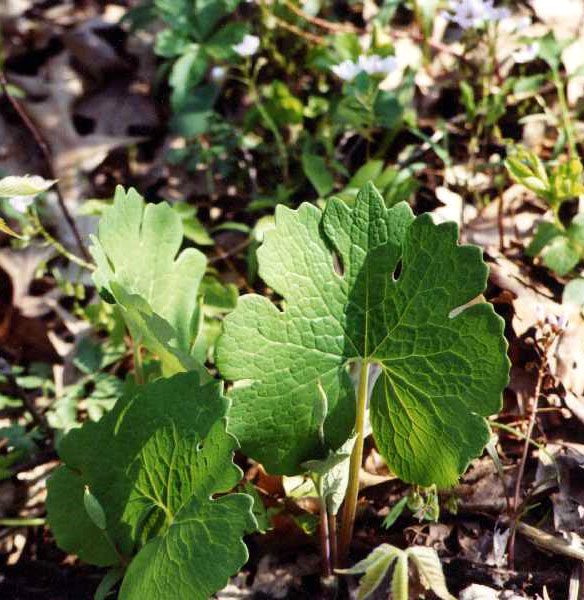
Bloodroot leaves.
Conclusion
While I will always have daffodils in my yard, they don’t offer much for native wildlife. So, it’s good to make a conscious effort to add more ecologically beneficial flowers to the landscape to benefit early-emerging bees and butterflies. These four alternatives are good choices to target.
Meet Leslie Miller

Leslie Ann Miller shares 3.5 acres in rural Oklahoma with birds, butterflies and wide variety of animals. She is currently transforming her yard with plantings…
Leslie's Recent Posts
Five Non‑Native Shrubs to Replace with Native Alternatives
Five Underappreciated Native Plants for Your Garden
Membership Has Its Perks

- Ask The Expert Questions
- Newsletter Archive
- PlantersPlace Magazine
- Members Photo Gallery
- Product Ratings & Reviews
- Garden Club Samples
Here’s more information about gardening that you’re going to want

Watch a Gardening Video
Learn About Osmocote Products
Read a Gardening Blog