

Five Underappreciated Native Plants for Your Garden
Views: 7
Are you already planning your spring planting? I am. I’ll admit I was somewhat dissatisfied with my gardens last year, and I’ve been looking at different natives to add. Not all of these will fit in my Oklahoma gardens, which experience tremendous extremes, but they are plants worth considering, especially if you can provide the conditions they need to thrive. Here are five underappreciated native plant species that bring considerable ecological value to any wildlife garden.
Wild Bergamot / Monarda (Monarda fistulosa)
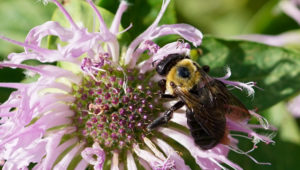
Wild bergamot, aka Monarda or beebalm, is one of my favorite natives. When it is blooming, I get some of my best insect photographs because it is a favourite of bumblebees, hummingbirds, and butterflies. It does bloom for a long time, which helps sustain pollinators through midsummer, and its mint‑scented foliage is naturally deer‑resistant. This prairie native thrives in poor soils and full sun, and doesn’t seem the least bit bothered by my Oklahoma extremes. Monarda fistulosa is one of the few plants in my yard that is truly no maintenance. I don’t even have to water it in drought.
Golden Alexanders (Zizia aurea)
A member of the carrot family, Golden Alexanders are native to moist prairies, thickets, and open woods, so they prefer abundant moisture. I had some planted in an area that is wet in spring and dry in summer, and they did well. However, they are short-lived, so you will have to replace them if they don’t reseed. The primary reason to plant them is that they are the native host plant for black swallowtails (in luie of non-native fennels, for example) and provide nectar for native pollinators.
Blue Vervain (Verbena hastata)
Blue vervain, also known as Swamp Vervain, offers tall (up to 6′) spikes of small purple flowers that attract bees, butterflies, and beneficial wasps. It thrives in wet or low‑lying areas where other garden plants struggle. This vervain wouldn’t likely survive my summer droughts, so I have no personal experience with this plant, but for those of you with rain and/or water gardens, it might work for you. It is a host plant for Common Buckeye butterflies.
New England Aster (Symphyotrichum novae‑angliae)
Blooming in late summer and fall, New England aster helps sustain migrating monarchs, native bees, and hoverflies. Its abundant purple blooms appear when most plants have faded. This is an aster that tolerates part shade. It’s another native that prefers moist soil and/or regular watering. I tried it in my yard and it didn’t survive drought. However, it is gorgeous when paired with goldenrods, and it serves as a host plant for many moths and Pearl Crescent butterflies. If you have regular irrigation, it’s a lovely addition. Just be aware that it, like many asters, can spread aggressively.
Prairie Dropseed (Sporobolus heterolepis)
This elegant, fine‑textured grass provides shelter and nesting material for birds while improving soil structure with its deep root system. Its seeds feed small birds, and its airy seed heads offer gentle movement in the landscape. Prairie dropseed is drought‑tolerant, long‑lived, and visually striking despite its low profile. It doesn’t need a lot of moisture, so it’s good for xeriscaping, especially when paired with sandy soil.
Conclusion
These five underappreciated native plant species may not be ones you see offered at box stores, but if you can track them down, they help create an ecologically strong wildlife garden. Planting them increases biodiversity, supports pollinators, and brings your outdoor space to life.
Meet Leslie Miller

Leslie Ann Miller shares 3.5 acres in rural Oklahoma with birds, butterflies and wide variety of animals. She is currently transforming her yard with plantings…
Leslie's Recent Posts
Creating Wildlife Havens with Logs and Wood
Shrubby St. John’s Wort: A Golden Addition for Your Pollinators
Membership Has Its Perks

- Ask The Expert Questions
- Newsletter Archive
- PlantersPlace Magazine
- Members Photo Gallery
- Product Ratings & Reviews
- Garden Club Samples
Here’s more information about gardening that you’re going to want

Watch a Gardening Video
Learn About Osmocote Products
Read a Gardening Blog