

Introducing Pollination Syndromes
Views: 2441
This Spring, I decided to take a course from the Pollinator Partnership to become a Pollinator Steward. I was familiar with most of the information presented, at least in a general sense, but one concept was completely new to me: pollination syndromes. As a wildlife gardener, or anyone wanting to attract pollinators, it’s a topic worth understanding.
What are Pollination Syndromes?
Per the Pollinator Partnership, “Pollinator syndromes describe flower characteristics, or traits, that may appeal to a particular type of pollinator. Such characteristics can be used to predict the type of pollinator that will aid the flower in successful reproduction. A combination of color, odor, quantity of nectar, location, type of pollen, and flower structure can each affect a potential pollinator’s ability to locate a flower and its food resources. ”
These relationships developed as plants and animals evolved together. The result is that certain plants aim to attract certain types of pollinators based on their flower structure and the benefits they offer, such as pollen or nectar. Similarly, animals evolved to associate certain colors, scents, or other floral clues with the benefit they are seeking.
Here is a link to a pollination syndrome chart.
Why They Matter to Gardeners
The cool thing about understanding pollinator syndromes is that we, as gardeners, can use them to attract the specific pollinators we want in our gardens. The more the merrier, or those you don’t want, for example, if you’re deathly allergic to bee stings.
Examples: The Bee Syndrome
Flowers that attract bees typically display bright white, yellow, blue or ultraviolet (UV) colors and fresh, mild, pleasant odors. They often have shapes with accessible landing pads, making it easy for bees to land and collect nectar and pollen. They usually have nectar available at a shallow depth, even if the flower is tubular. When I think of bee syndrome flowers, I picture sunflowers (flat and shallow) and penstemon (tubular).
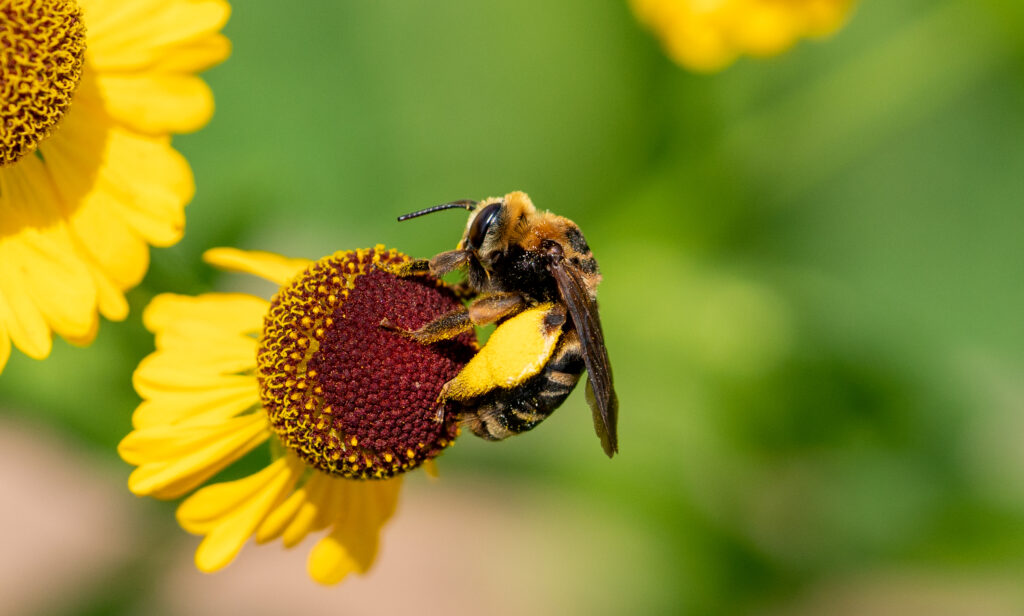
Flowers that attract bees often have natural landing pads, offer nectar at a shallow depth, and have pleasant smells. Colors are typically bright yellow, white, blue (purple), or UV colors.
The Butterfly Syndrome
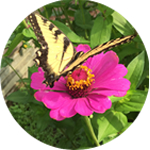
Butterfly-friendly flowers tend to be vivid in shades of red, orange, and pink, which are colors butterflies see well. These plants usually feature landing platforms that make it easier for butterflies to settle and feed. Their often-tubular shapes suit the long proboscises of butterflies. Most of us know the butterfly-attracting plants in our yards. There may be a lot of overlap with bees, but I see swallowtails on my native phlox, but rarely as many bees.
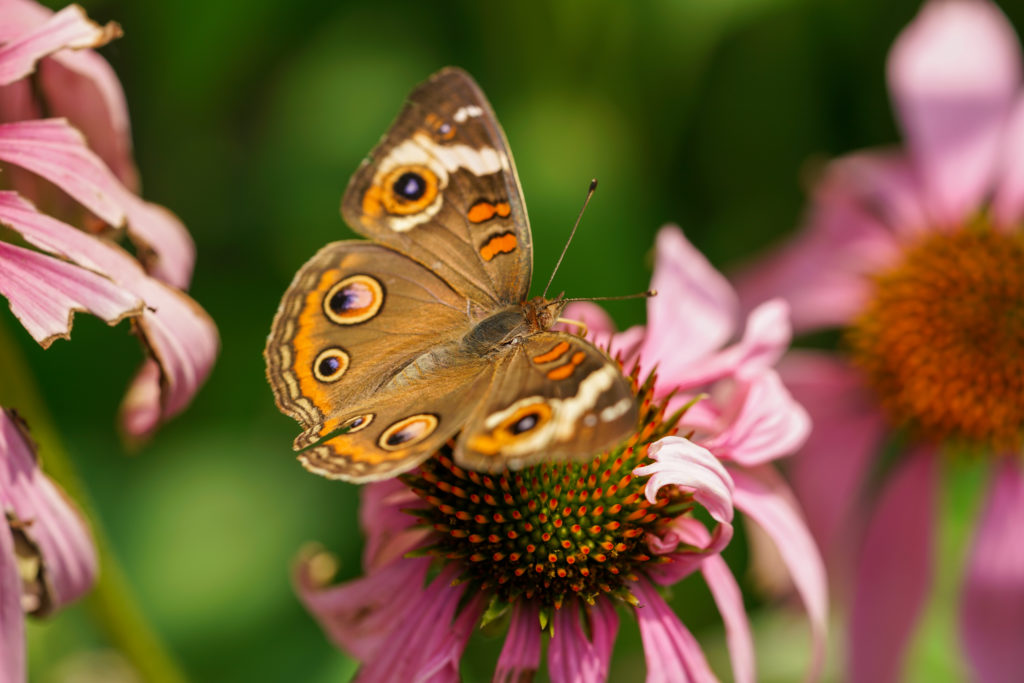
Flowers that attract butterflies also offer space to land. Butterflies are attracted to shades of red, orange, and pink.
The Moth Syndrome
Night-blooming flowers with a strong, sweet fragrance attract moths, which are nocturnal pollinators. These flowers are often pale or white to stand out in low light and may have tubular shapes suited for moths with long feeding appendages. I think of morning glories and four-o’clocks for moths.
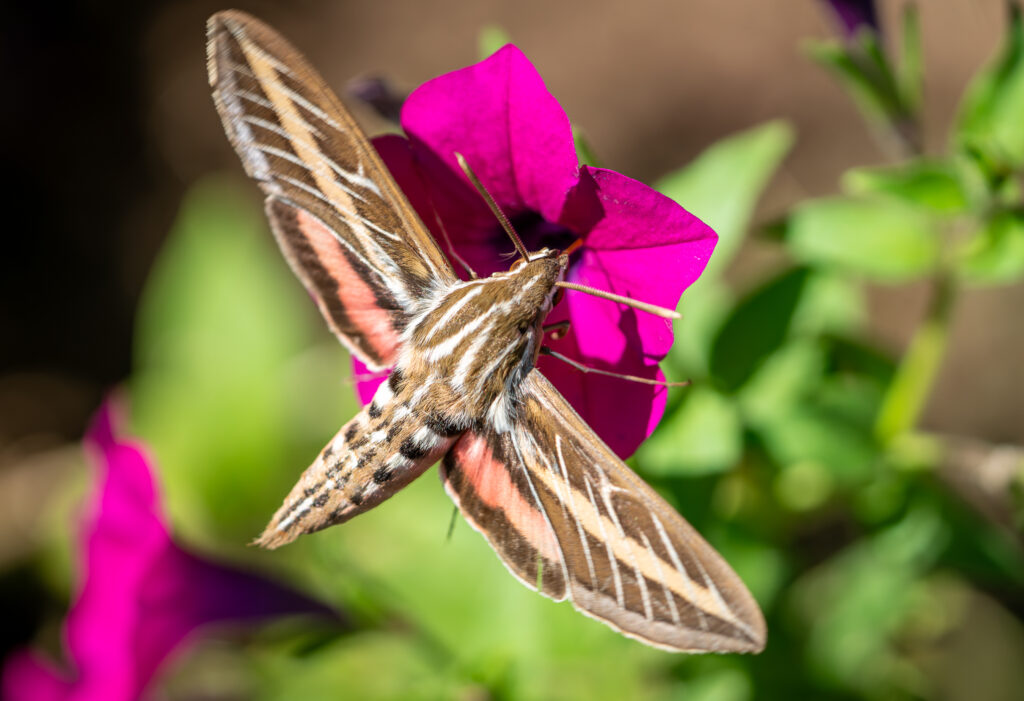
Sphinx moths, like this white-lined sphinx, are attracted to tubular flowers. Often, moths prefer white, pink, or duller-colored flowers with strong, sweet scents.
The Bird Syndrome (Hummingbirds)
Flowers that appeal to hummingbirds are usually bright red or orange, lack overpowering scents, and produce abundant nectar. Their tubular shapes accommodate hummingbirds’ long beaks and sometimes provide strong perches, as well. There is nothing I associate more with hummingbirds than the scarlet, tubular flowers of cardinal flowers.
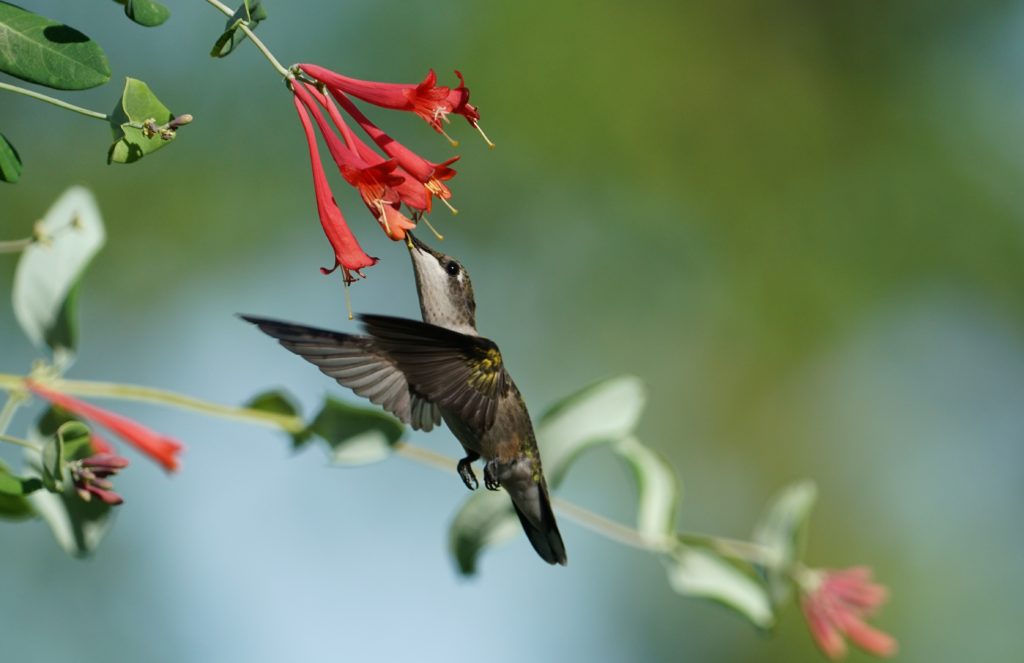
If you want hummingbirds in your yard, you need tubular flowers in shades of red or orange.
In Summary
Pollination syndromes are natural strategies that flowers use to attract particular pollinators based on their traits. By learning about these patterns, you can select the most suitable plants to attract a diverse group of pollinators as well as ensure healthy plant reproduction.
Meet Leslie Miller

Leslie Ann Miller shares 3.5 acres in rural Oklahoma with birds, butterflies and wide variety of animals. She is currently transforming her yard with plantings…
Leslie's Recent Posts
Milkweed by Region: A Native Milkweed Guide
Hawks in the Garden
Membership Has Its Perks

- Ask The Expert Questions
- Newsletter Archive
- PlantersPlace Magazine
- Members Photo Gallery
- Product Ratings & Reviews
- Garden Club Samples
Here’s more information about gardening that you’re going to want

Watch a Gardening Video
Learn About Osmocote Products
Read a Gardening Blog