

Lesser‑Known Native Host Plants for North American Butterflies
Views: 1107
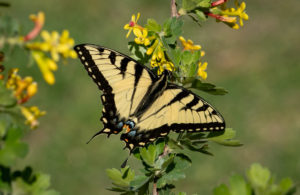
When gardeners think of butterfly host plants, the same favorites usually come to mind: milkweeds for monarchs, black‑eyed Susans, sunflowers, coneflowers, and parsley/fennel/dill. But many North American butterflies depend on a far wider and often overlooked range of native plants. These unsung host plants deserve a place in any wildlife garden. Here are some of the most valuable, yet commonly overlooked, natives to consider.
Golden Alexander (Zizia aurea)
Black Swallowtails use members of the Carrot family for host plants. Given how much success I’ve had raising Black Swallowtails on things like bronze fennel and dill, I never gave much thought to which native plants they use. Turns out, there are a lot of them, again, in the Carrot family, including lovely Golden Alexanders, which are blooming in my yard right now in the swampy area up against my house. Zizia aurea prefers sun to part shade and moist sandy or sandy-clay soils. They are short-lived, so you may need to replace them periodically if they don’t reseed.
Common Blue Violet (Viola sororia)
I dedicated an entire blog to the benefits of native violets once, but it can’t be overstated: wild violets are not weeds when it comes to butterflies. According to the Xerces Society, “fourteen species of greater fritillaries (genus Speyeria) and sixteen lesser fritillaries (genus Bolloria) will only lay their eggs where there are violets for their larva to feed upon.” Those gorgeous Great Spangled fritillaries and other fritillary species we love to see are totally dependent upon violets.
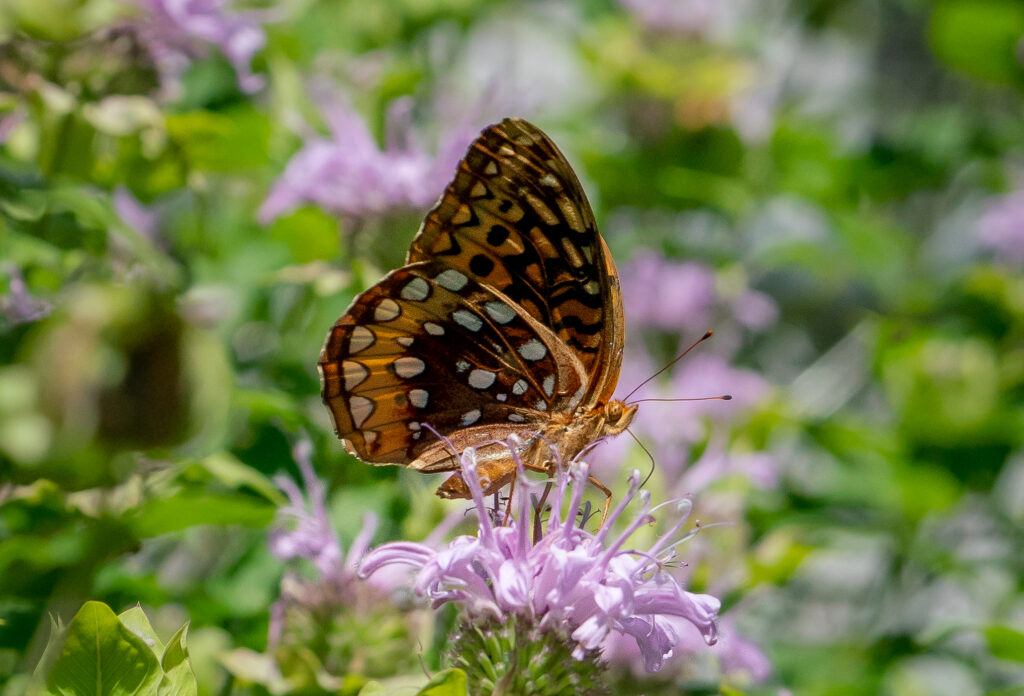
Great Spangled Fritillaries rely on violets as host plants.
New Jersey Tea (Ceanothus americanus)
This small, drought‑tolerant shrub often goes unnoticed in garden centres, yet it supports an impressive array of Lepidoptera species. Mottled Duskywings, Spring Azures, and Summer Azures use it as a host plant. New Jersey Tea’s compact size makes it a nice native foundation shrub, adding beauty and ecological value in equal measure.
Spicebush (Lindera benzoin)
Spicebush is the primary host plant for the Spicebush Swallowtail, one of North America’s most gorgeous butterflies. Birds enjoy its bright red berries in autumn, making spicebush a multi‑season asset. Spicebush grows fast and does well in moist soils.
Pearly Everlasting (Anaphalis margaritacea)
For those of you in the West, with sandy, dry soils, Pearly Everlasting is an essential host plant for American Lady and Painted Lady butterflies. Pearly Everlasting thrives sunny spaces where fussier plants struggle. Its silvery foliage and papery white blooms add subtle texture to your plantings.
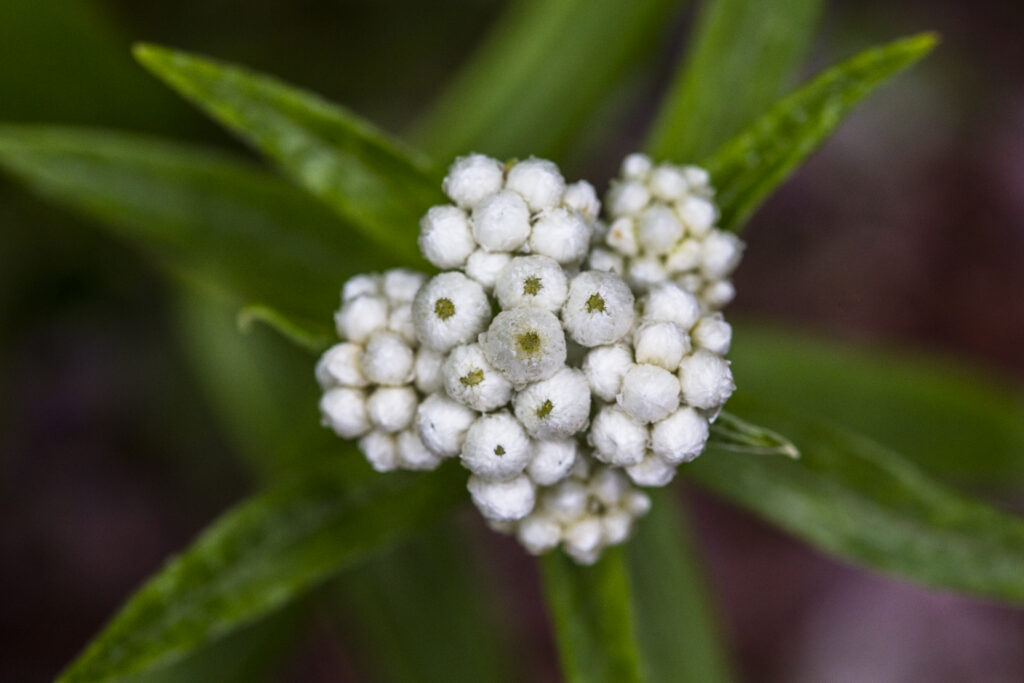
Pearly Everlasting flowers.
Gooseberry and Currant Species (Ribes spp.)
Native Ribes shrubs rarely receive attention, but they are important host plants for several species, including Zephyr Anglewing and various sphinx moths. These shrubs are adaptable, offering nectar, fruit, and nesting habitat for birds. Their early‑season blooms provide nectar when pollinators need it most; in my yard I always get my first Tiger Swallowtails on my currant bush.
Summary
By choosing lesser‑known natives gardeners can dramatically increase the ecological richness of their yards. Planting with caterpillars in mind ensures you have butterflies to enjoy all season and increases the ecological value of your gardens.
Meet Leslie Miller

Leslie Ann Miller shares 3.5 acres in rural Oklahoma with birds, butterflies and wide variety of animals. She is currently transforming her yard with plantings…
Leslie's Recent Posts
Where They’re Going: The Fall Monarch Migration
Milkweed by Region: A Native Milkweed Guide
Membership Has Its Perks

- Ask The Expert Questions
- Newsletter Archive
- PlantersPlace Magazine
- Members Photo Gallery
- Product Ratings & Reviews
- Garden Club Samples
Here’s more information about gardening that you’re going to want

Watch a Gardening Video
Learn About Osmocote Products
Read a Gardening Blog