
Ginger: Growing This Tropical Crop
Views: 808
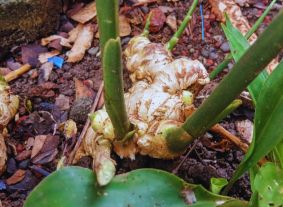
I have purchased fresh ginger at the grocery store for decades, and never did I once contemplate the fact that you can grow this at home. A tropical plant that is grown for its flavorful underground rhizomes, ginger can be grown in non-tropical locales if given the right conditions.
Getting Started with Ginger
The first step in growing ginger is selecting a healthy rhizome. Look for firm, plump pieces with visible buds or “eyes,” similar to the “eyes” of a potato, which may be more familiar to you. Many gardeners use organic ginger from the produce aisle, any you also have the option of purchasing rhizomes from garden suppliers online and in-store.
If you live in USDA Zones 8 and warming, you’ll plant the crop in spring after the danger of frost has passed. If, however, like most of the U.S. you live in colder Zones, you will have better success and a longer growing season if you start rhizomes indoors several weeks before your last frost date. Ginger requires a long growing season—often eight to ten months—to produce mature rhizomes. Starting indoors give you those extra months you will most definitely need.
When growing ginger, location matters. The plant prefers rich, well-draining soil and partial shade rather than full sun. Morning sunlight with protection from hot afternoon rays is ideal. If you’re growing ginger in a container, note that ginger’s rhizomes spread horizontally beneath the soil surface, much like an iris, for example. Because of this, you’ll choose a wide pot to accommodate that sideways growth.
Essential Ginger Care
Once you’ve planted ginger, the keys to growing a success crop include:
Consistent moisture. Keep the soil evenly moist but never waterlogged. Add a layer of mulch to help conserve moisture.
Feed appropriately. Ginger is a heavy feeder, so enrich the soil with compost before planting and apply a balanced fertilizer regularly to encourage stronger growth.
Give it warm weather. Ginger thrives in warm temperatures and appreciates humidity. Gardeners in northern climates will do better by starting ginger in containers indoors then moving them outside when the weather warms up to above 65F consistently. They can also bring the pots indoors once temperatures cool off to extend the growing season.
Harvesting
What many gardeners don’t know is that they can harvest ginger at two different points in its growing cycle. Young “baby ginger” can be harvested after about four to six months. It has a milder flavor and tender skin.
For larger, mature rhizomes, you’ll know it’s ready for harvest when the foliage begins to yellow and die back naturally, usually eight to ten months after planting. This is the plant’s signal that the rhizomes have finished developing and are ready to harvest.
Harvesting is simple. Just gently dig around the plant and lift the rhizomes from the soil. You can harvest the entire plant or remove a portion of the rhizome and allow the rest to continue growing if you are in a mild-winter climate. For those in colder climates, you can bring your containers indoors and continue growing over winter.
Meet Ellen Wells

When you’re raised on a farm, you can’t help but know a thing or two about gardening. Ellen Wells is our expert on edible gardening.…
Ellen's Recent Posts
Rati-Tail Radish Review
Grow Fava Beans and Improve Your Soil
Membership Has Its Perks

- Ask The Expert Questions
- Newsletter Archive
- PlantersPlace Magazine
- Members Photo Gallery
- Product Ratings & Reviews
- Garden Club Samples
More information about edible gardening that you’re going to want

Edible Gardening Videos

Edible Gardening Podcasts

Got a Edible Gardening Question?