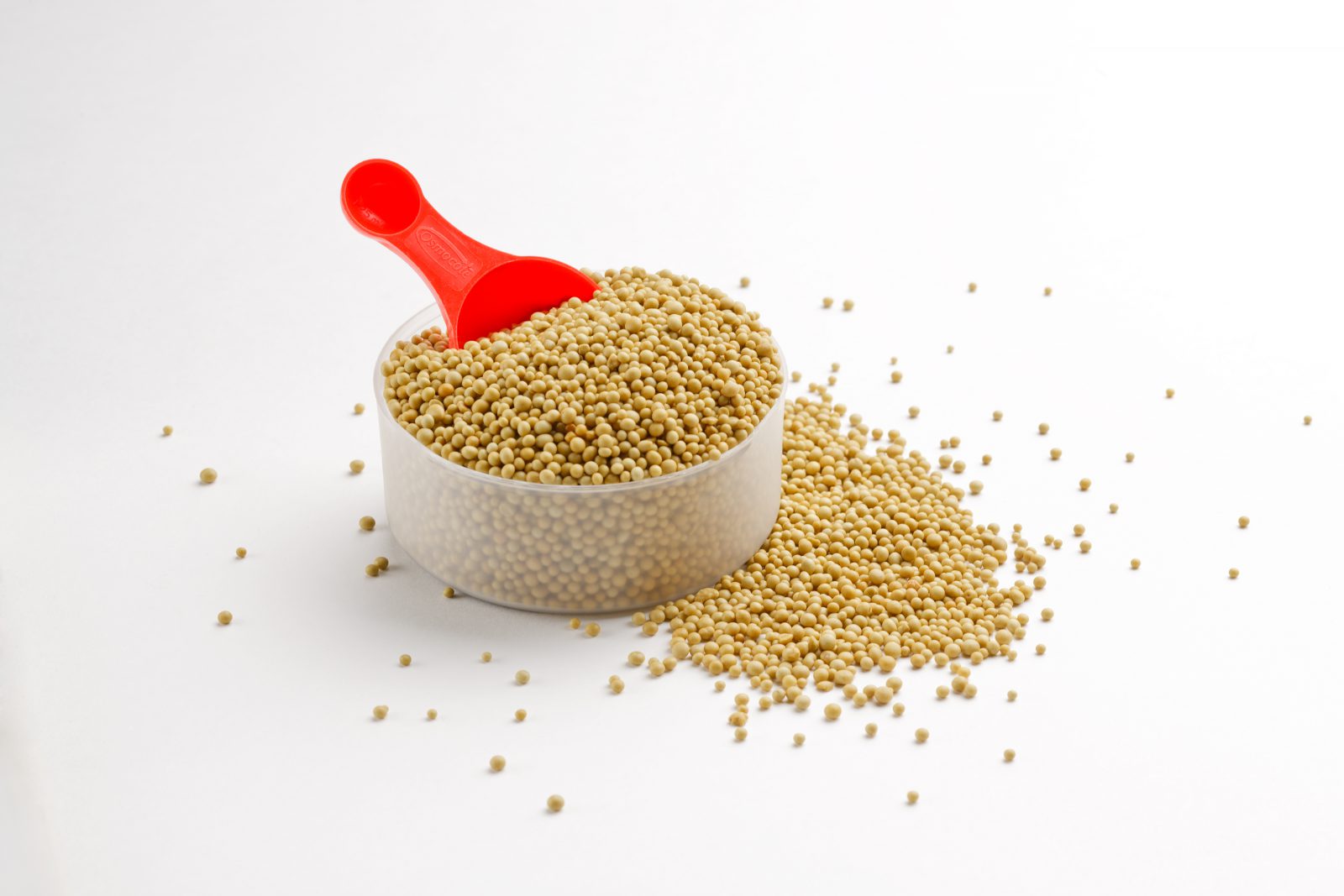

Grow Fava Beans and Improve Your Soil
Views: 435
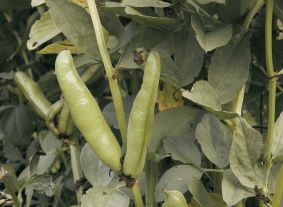
Growing fava beans will not only give you a great crop of beans, but they will also benefit your garden. Known as broad beans, fava beans are a cool-season crop that produce large, flavorful beans. And as a member of the legume family, fava beans will improve your soil’s fertility in the process. Unlike many vegetables, legumes can capture nitrogen from the air and store it in their roots. It’s like this crop lives by the mantra, “Leave the earth better than you found it.”
Plant Fava Beans Early
Because they prefer cool weather, fava beans are often one of the first vegetables planted each season. Plant them as soon as the soil can be worked in spring. If your area has mild winters, you can plant them again in fall for a spring harvest.
Crops like beans prefer to have their seeds directly sown into the ground. Sow the large seeds 1 to 2 inches deep and space them about 4 to 6 inches apart. You’ll want to plant them in a spot that receives at least six hours of sunlight daily, and in soil that is well-draining with a pH between 6.0 and 7.5.
Simple Care for a Healthy Crop
Growing fava beans is relatively straightforward. Keep the soil consistently moist. This means providing about 1 inch of water per week, especially during flowering and pod development. Yes, this measurement includes natural rainfall, as well, so keep your eye on your rain gauge. For when it doesn’t rain, mulching around plants helps conserve moisture, suppress weeds, and keep soil temperatures cooler.
Unlike heavy-feeding vegetables, fava beans generally don’t need much fertilizer. Adding compost before planting is usually enough. Too much nitrogen fertilizer can result in lush foliage but fewer pods. And remember, they “make” their own nitrogen so adding additional isn’t really necessary.
Most fava bean varieties grow 2 to 4 ft. tall and are sturdy enough to stand without support. In windy locations, however, staking may help prevent plants from flopping.
Harvest More Than Just the Beans
If you can believe it, you can eat fava bean pods! It’s best to harvest the pods with young beans inside them when they are still tender and bright green. If you intend to grow fava beans for shelling, wait a while longer until the pods fill out before picking. If you want dried beans for storage, leave pods on the plant until they turn brown and brittle.
One of the lesser-known benefits of growing fava beans is that the tender shoot tips are edible. Snip off the top few inches of growth and use them in salads, stir-fries, or pesto. The young leaves have a mild flavor similar to spinach.
As we mentioned earlier, fava bean roots are “harvesting” nitrogen from the air. Their roots leave behind nitrogen that will be a benefit to future crops. For gardeners who rotate different crops in different spots of their gardens each year, adding fava beans to the crop rotation is a good way to increase your soil’s health.
Meet Ellen Wells

When you’re raised on a farm, you can’t help but know a thing or two about gardening. Ellen Wells is our expert on edible gardening.…
Ellen's Recent Posts
Ginger: Growing This Tropical Crop
2nd Nature Plant Food
Membership Has Its Perks

- Ask The Expert Questions
- Newsletter Archive
- PlantersPlace Magazine
- Members Photo Gallery
- Product Ratings & Reviews
- Garden Club Samples
More information about edible gardening that you’re going to want

Edible Gardening Videos

Edible Gardening Podcasts

Got a Edible Gardening Question?