

Baguio Botanical Garden and Northern Blossom Flower Farm, Philippines
Views: 614
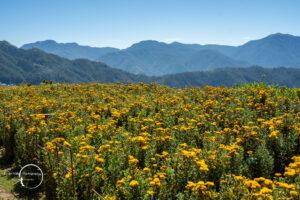
I recently went on a two-week trip to the Philippines, and while my main goal there was to get certified in SCUBA diving, my gracious host knew I was a gardener and included a trip to the Baguio city area, in the mountainous region of Luzon Island, including visits to the Baguio Botanical Garden and Northern Blossom Flower Farm. The mountains were a welcome relief from the 100-degree temperatures at lower altitudes, and the gardens were as spectacular as the mountain vistas in the region. I really enjoyed the Philippines and wanted to share some of my impressions of the country, especially the gardens I visited.
Overall Impression
Although I lived in Hawaii for a year as a young child, I haven’t visited many tropical locations since, with brief visits to Florida perhaps the only exception. I admit it was odd to see bougainvillea turned into hedges along the highways, with mangos, bananas, and a huge variety of fruit trees growing in people’s yards. But it wasn’t just the tropical plants that fascinated me; it was the altogether bizarre mix of native plants (like Agathis philippinensis, the Philippines’ native pine) and obvious non-natives, like Monkey-pod trees, Cacao, and Avocados growing along side them. I was bemused by the number of what I would consider house plants that were thriving along the roadsides, and stands of Bloodleaf Iresine diffusa f. herbstii on mountaintops.
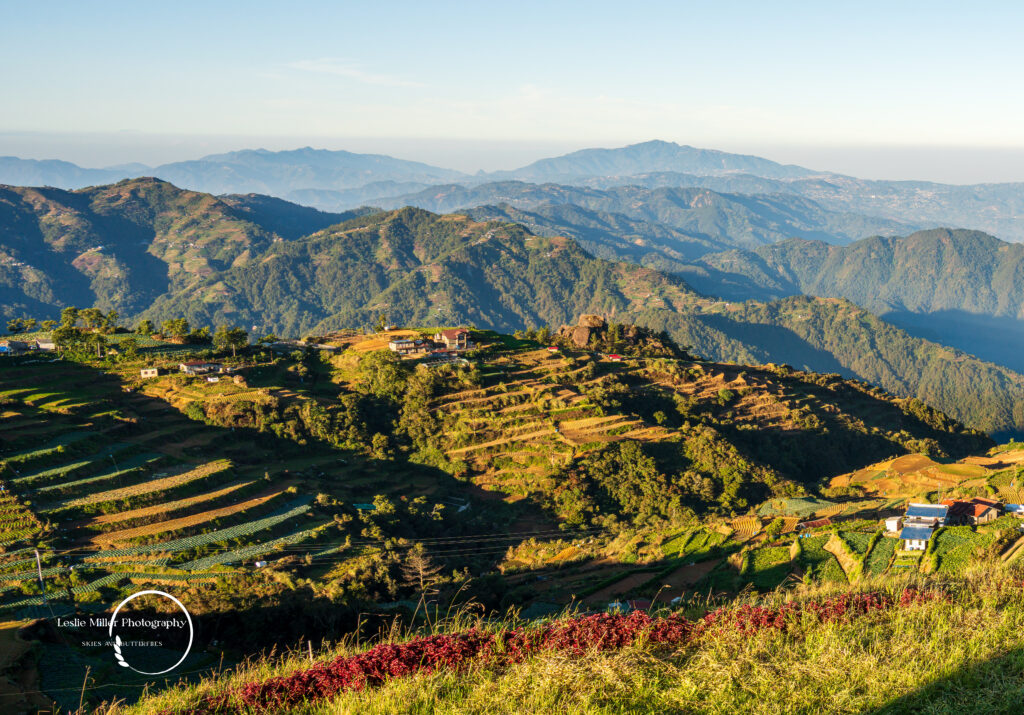
View from Mt. Olis, the highest point in the Philippines, complete with a line of Bloodleaf, also known as Chicken Gizzard or Beefsteak plant, in the foreground.
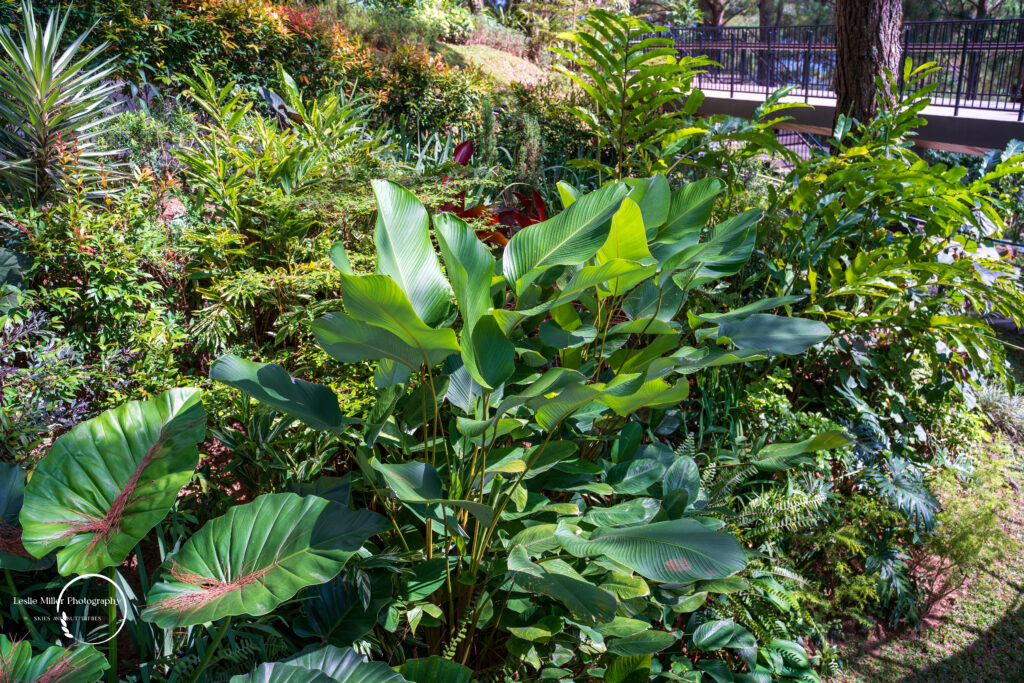
The diversity of flora was spellbinding.
I got the impression that almost anything would grow here, and, for the most part, not much care was given as to what might be native or not. There are native plant movements in the Philippines, but, gosh, the botanists, conservationists, and indigenous people leading the way must feel like they are tilting against some mighty big windmills.
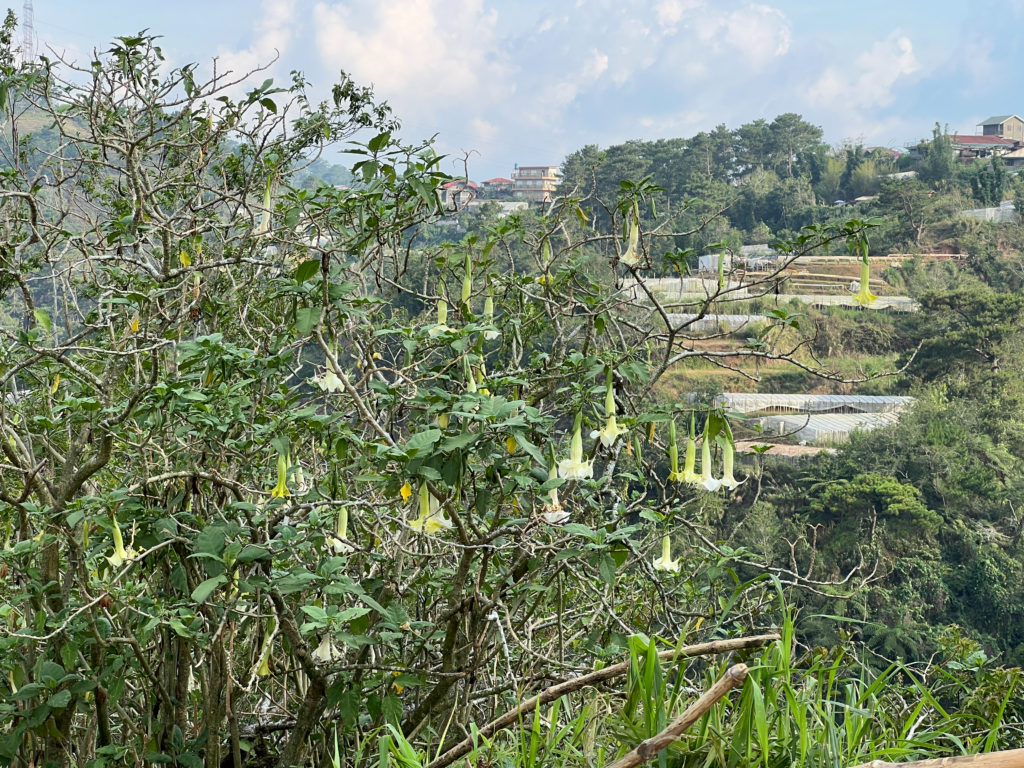
Random roadside tree. I believe this is Angels Trumpet (Brugmansia arborea), native to South America, but growing wild in the Philippines.
Baguio Botanical Garden
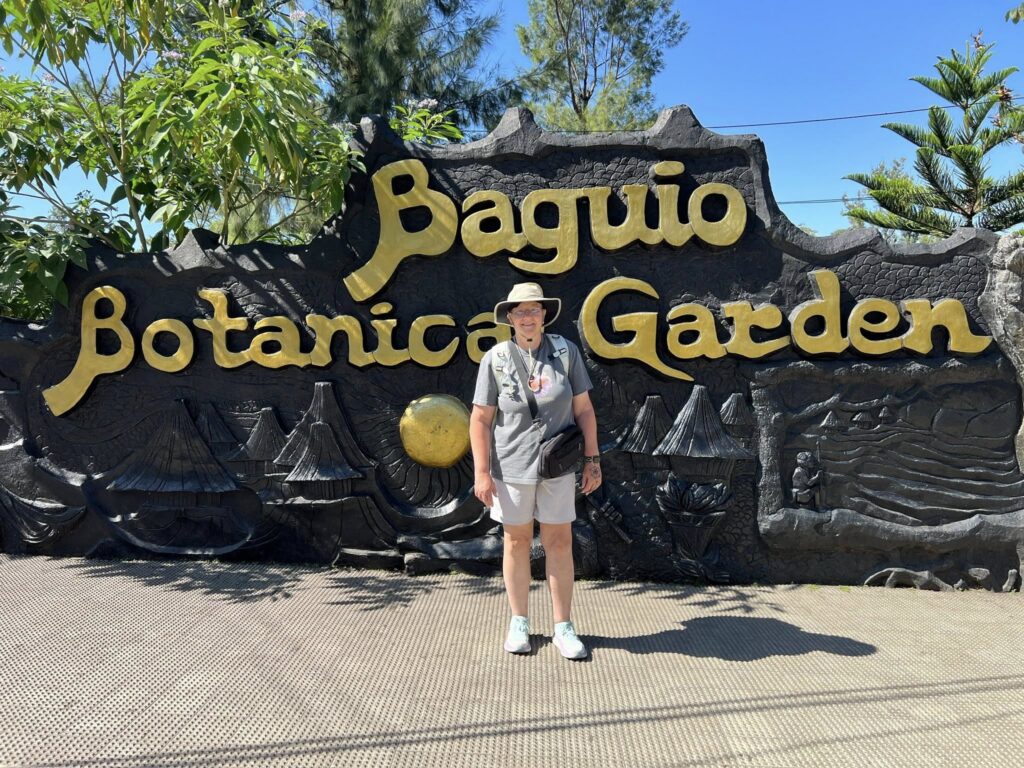
Yours truly at the Baguio Botanical Garden.
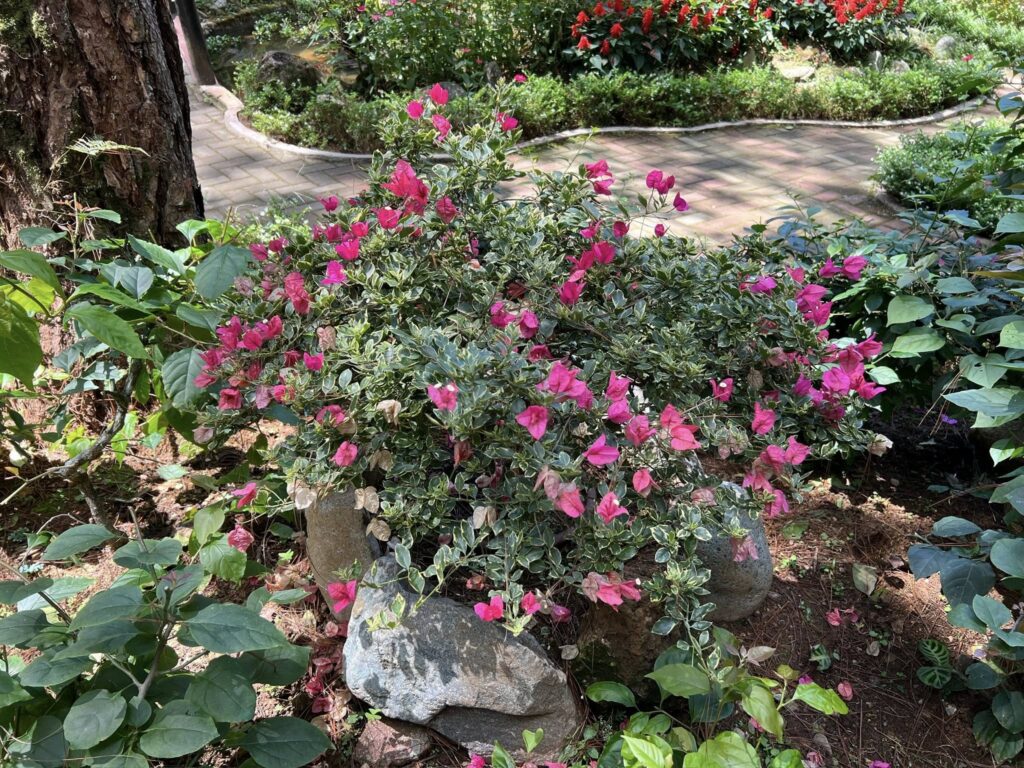
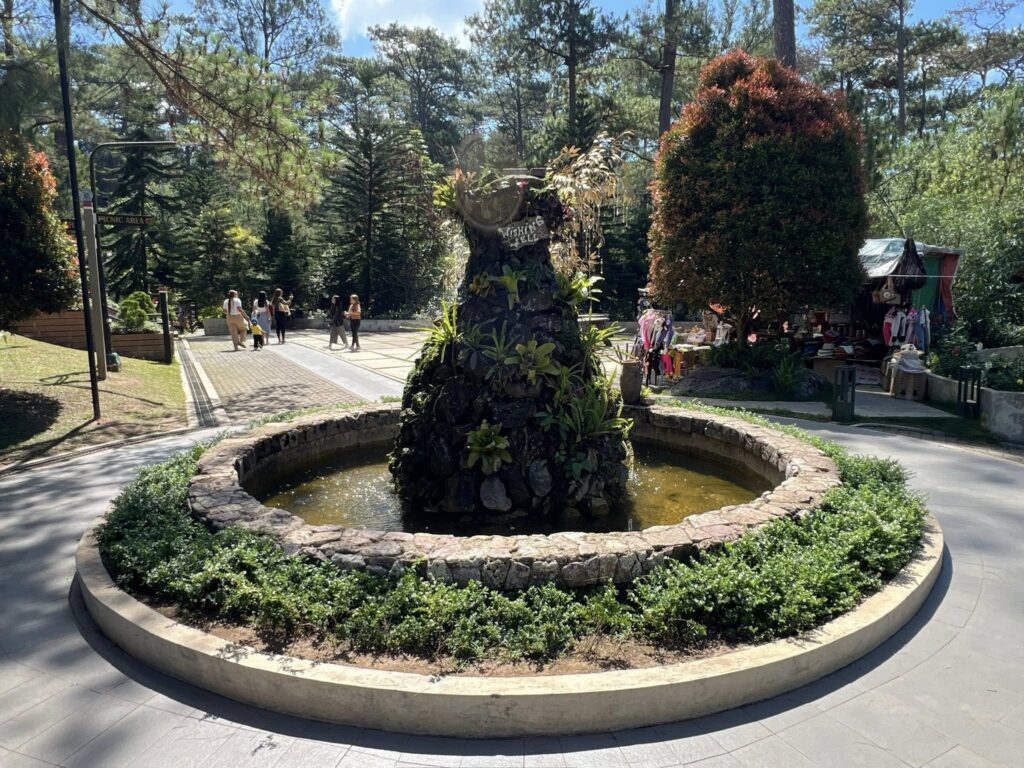
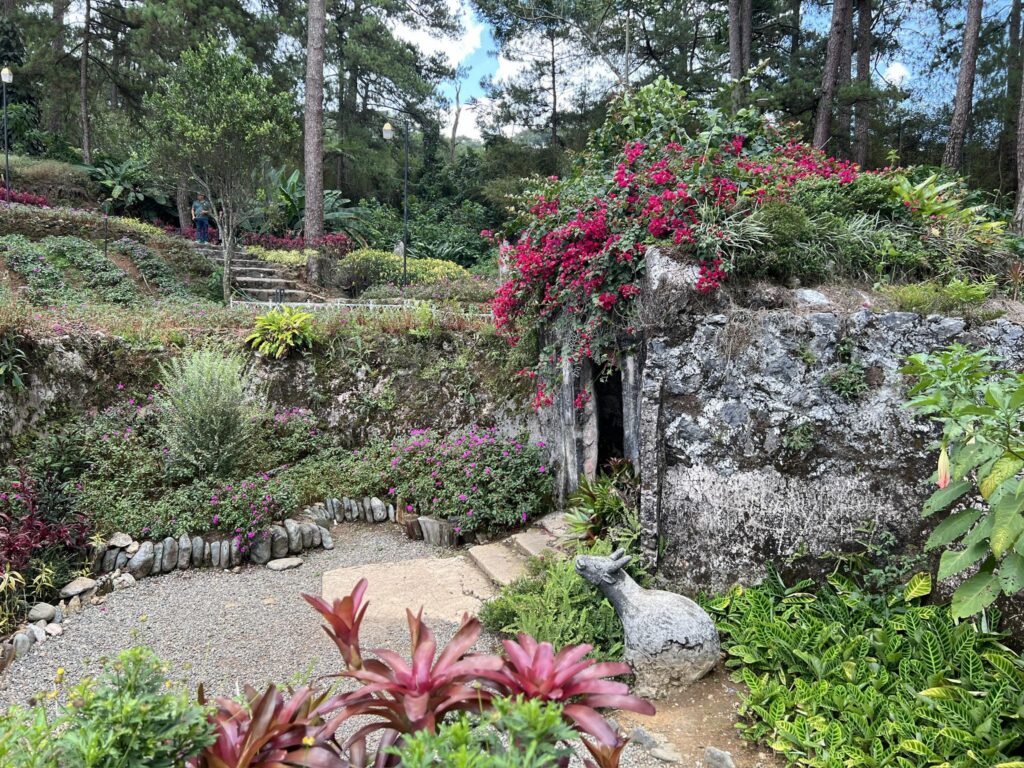
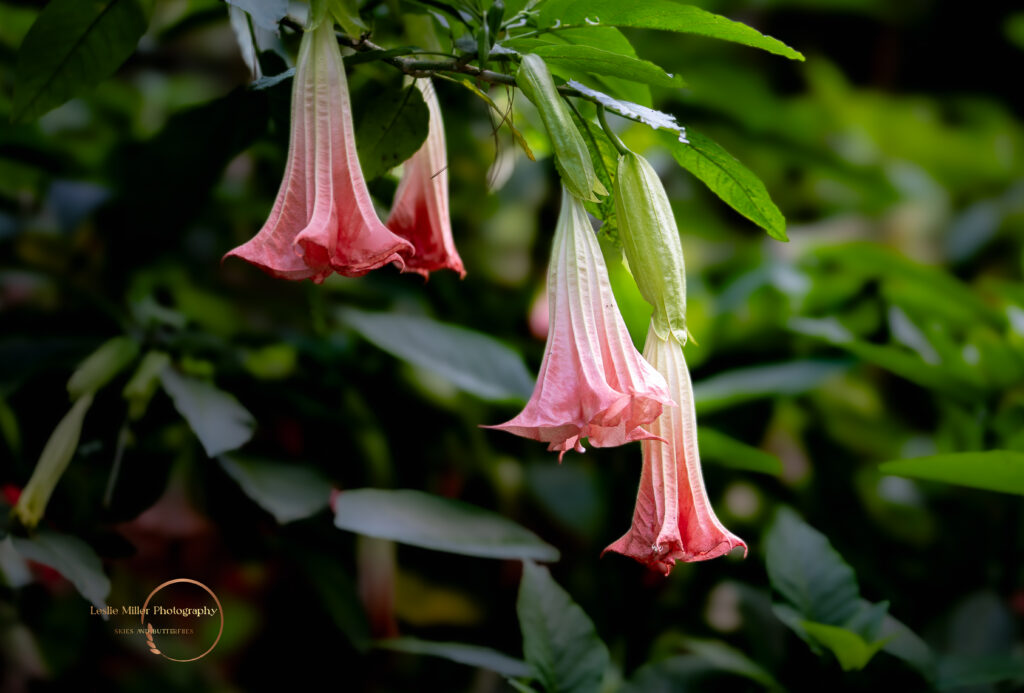
Scenes from the garden.
Once a zoo, Baguio Botanical Garden is a peaceful sanctuary tucked behind walls in the middle of this mountainous city. Out front we were greeted by three indigenous centanarians in native costumes. Their secret to a long life, one said, was eating sweet potatoes. So there you have it: eat sweet potatoes, the purple ones, by the way. I would like to have asked them about living through WWII and the Japanese occupation, and how much their land has changed in the hundred years they’ve been witness to, but they didn’t speak much English, alas.
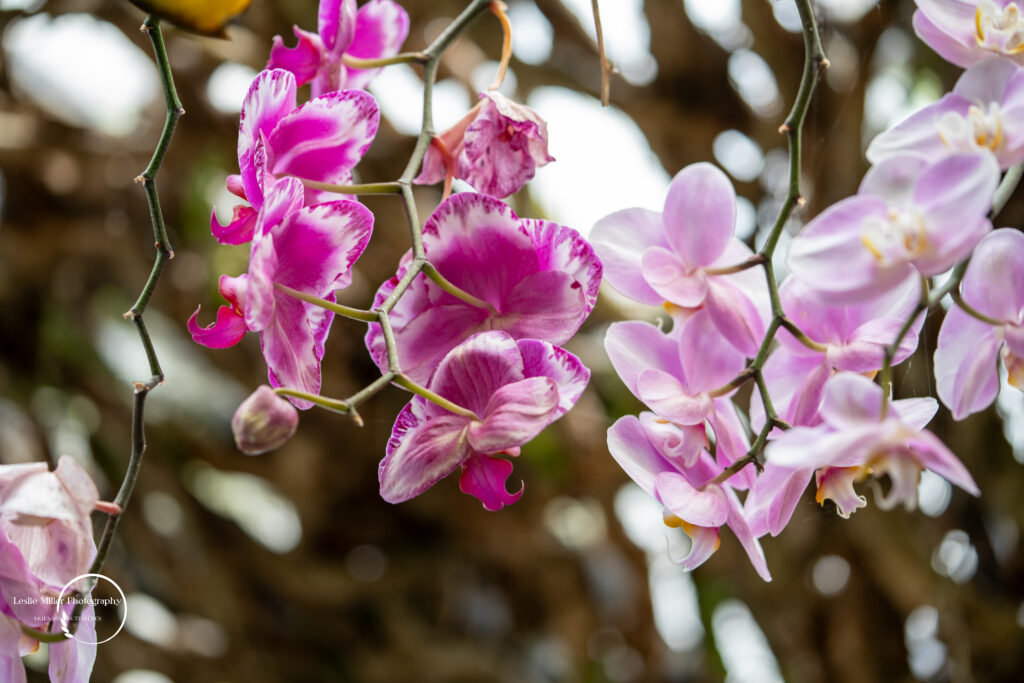
The garden itself was set on a mountainside, so there were many different elevations to it, which was a little different for this flat prairie girl. You spiraled down to visit the hydrangea garden; you spiraled up through their native gardens with rainforest trees and plants. They had a large friendship garden area, representing friendship cities from across the globe. One of my favorite parts of the garden was actually a long tunnel that had been dug into the mountainside by the occupying Japanese during WWII. The young children visiting the garden were having a grand time romping through it, and I enjoyed their antics. I thought the orchid pavillion was stunning.
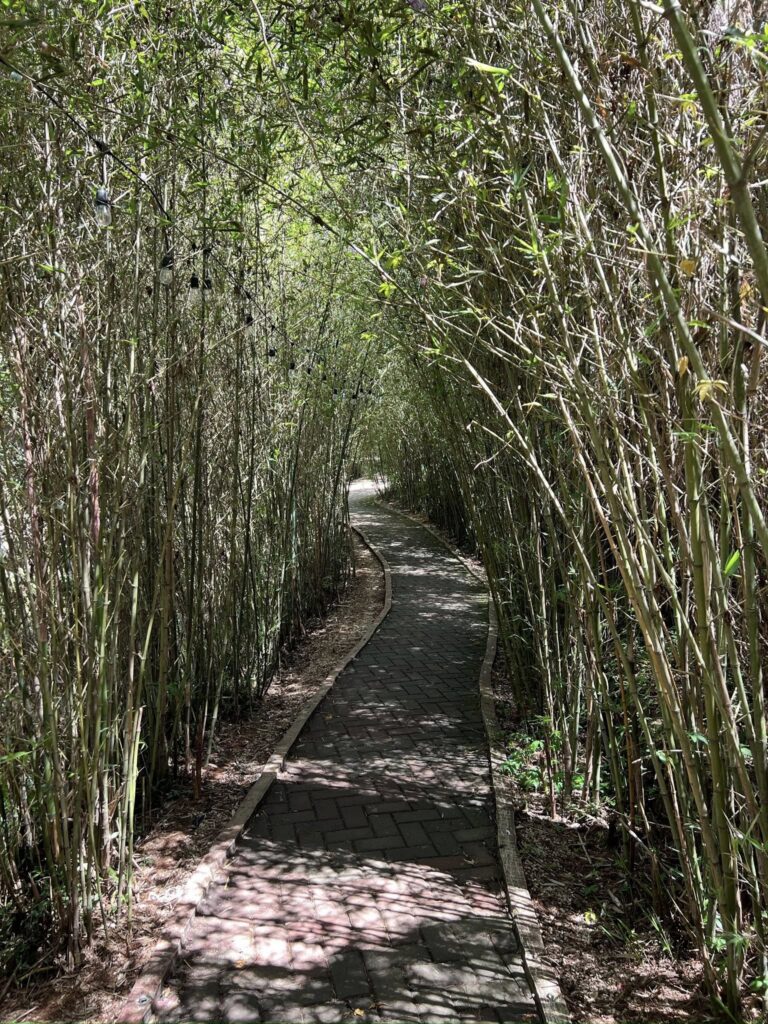
Part of the Japanese friendship garden.
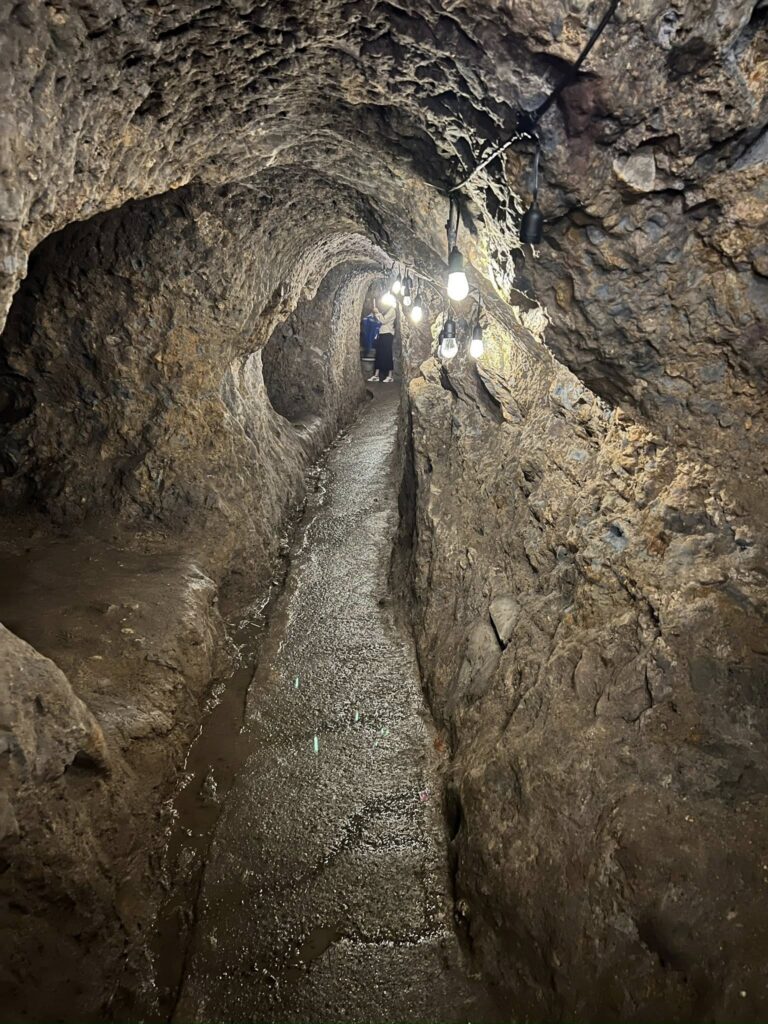
Tunnel dug by the Japanese during WWII, used for storage and shelter.
I was hunting bees and butterflies, and I caught several new species for me. But while the insects were new, often the plants were not. With the exception of the native area, the garden was full of old familiar faces: salvias, hydrangreas, marigolds, roses, amaranth, and others. It was odd to see red hot sallies mixed with bromediads, and zinnias gracing the beds beneath plumeria and hybiscus.
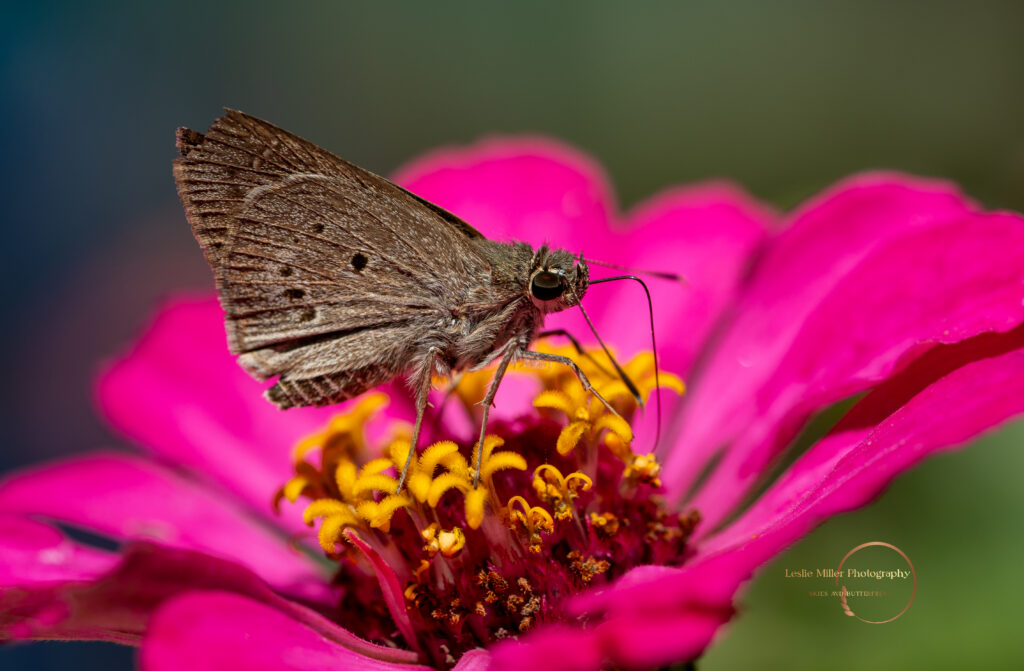
An Indian Palm Bob on a Zinnia.
Northern Blossom Flower Farm
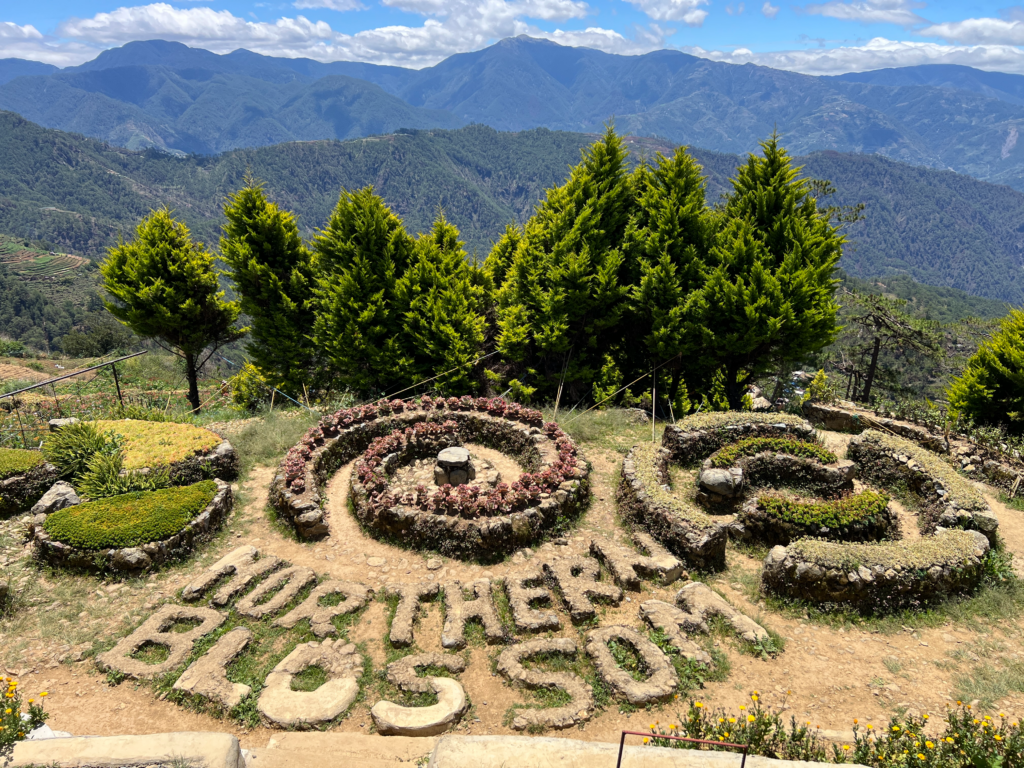
Northern Blossom Flower Farm, Atok, Philippines.
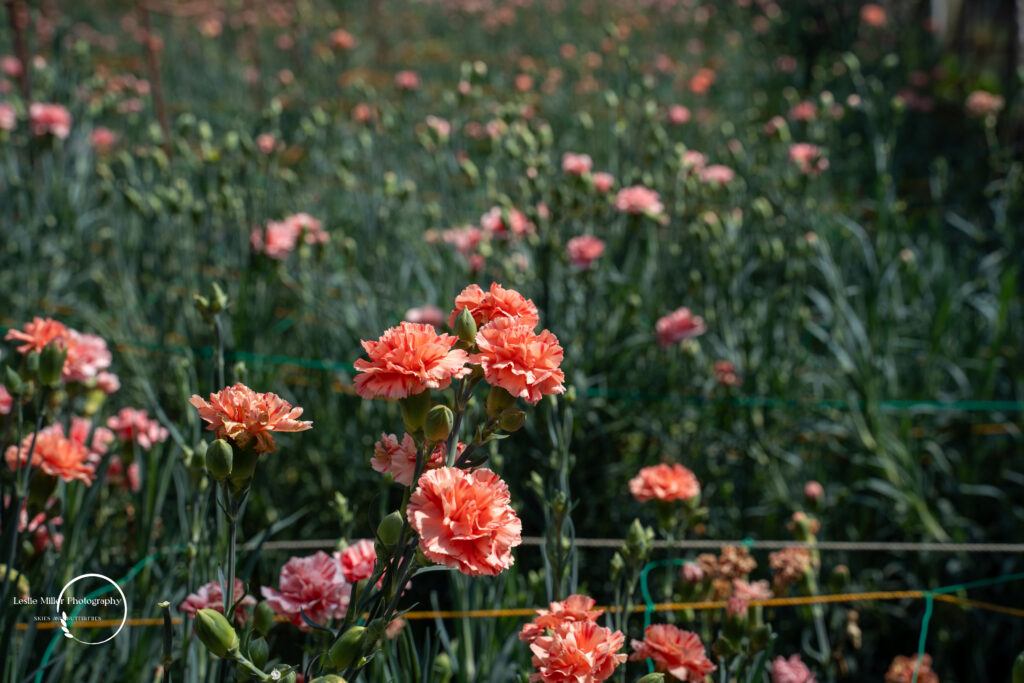
Carnations at the flower farm.
We also got to visit the Northern Blossom Flower Farm, set on an unforested mountainside in the municipality of Atok. A visually stunning experience, walking the many stairs of the farm felt like stepping into a postcard: rows of blossoms, bright colors, and an expansive view of the surrounding mountains. It was a social media influencer’s dream, and many were posing among the flowers taking pictures (myself included).
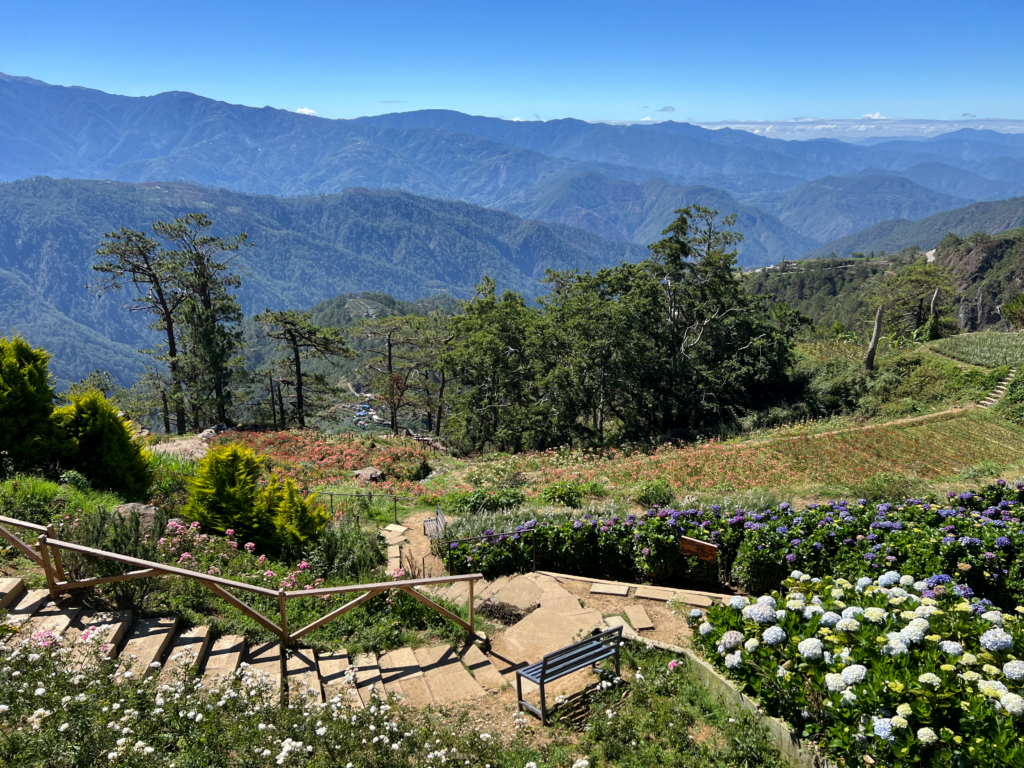
So. Many. Stairs. But the views made traversing them worthwhile.
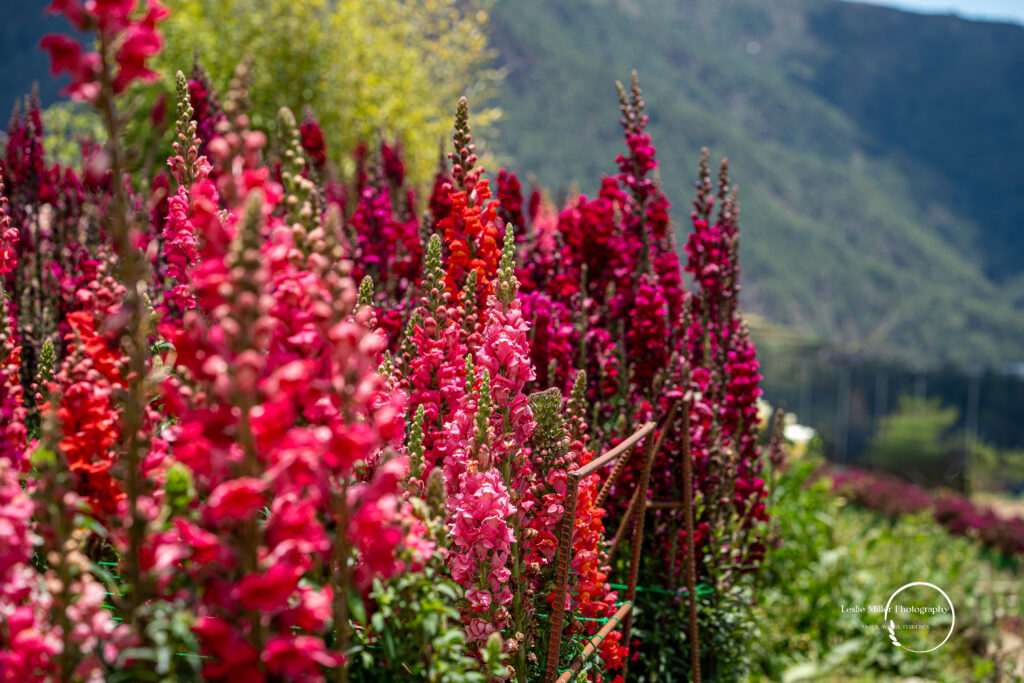
Snapdragons!
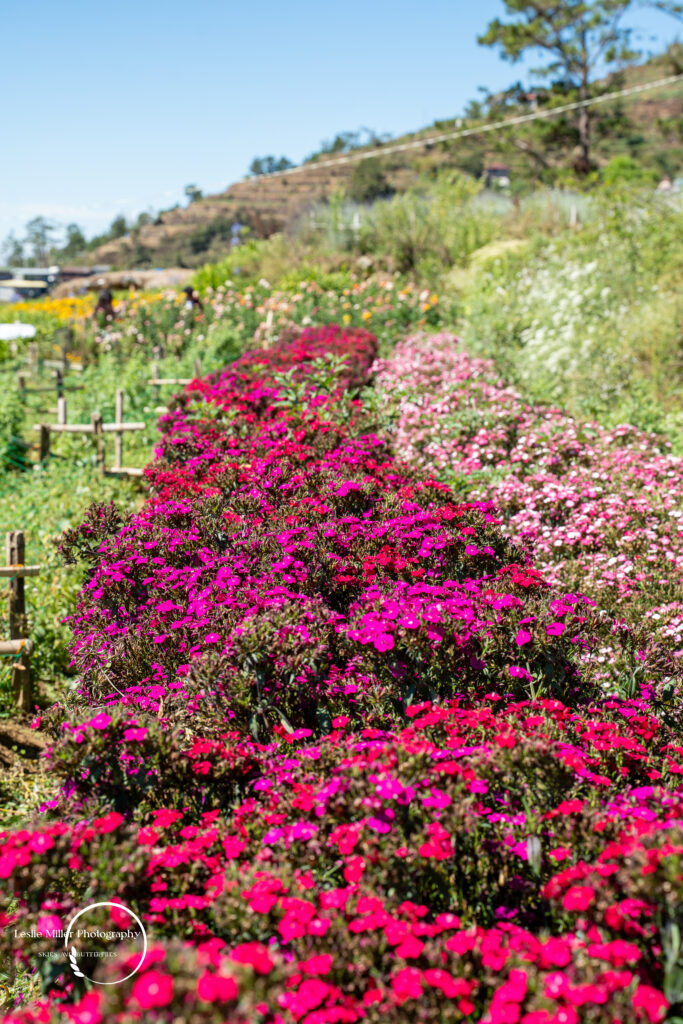
Rows of dianthus.
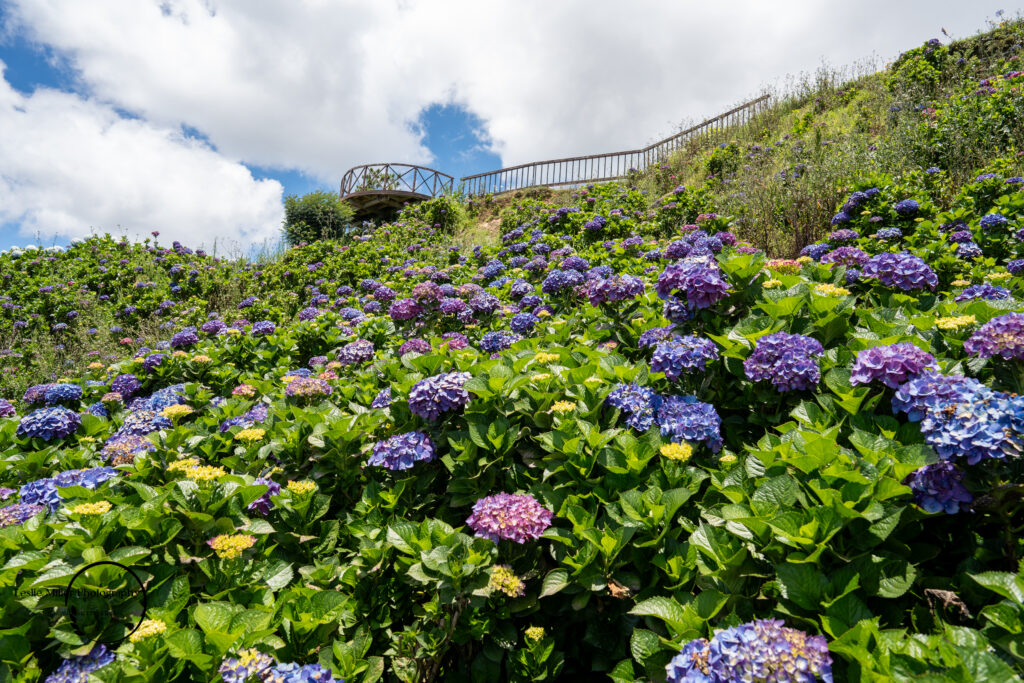
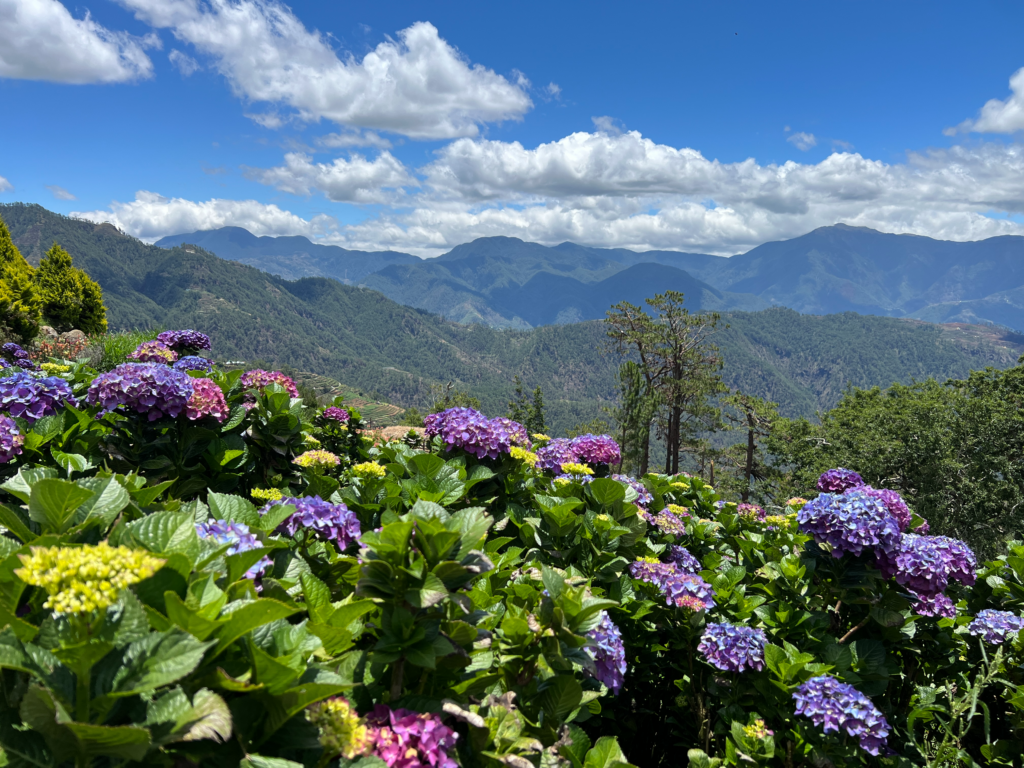
The hydrangea garden was truly magnificent.
As with the Baguio Botanical Garden, the flower farm was a bizarre (to me) mix of flowers, some native to the Philippines, but most not. There were rows of dianthus, carnations, an entire section of succulents grown in old tires, zinnias, bougainvillea, snapdragons, lavender, a spectacular field of hydrangeas, and many others.
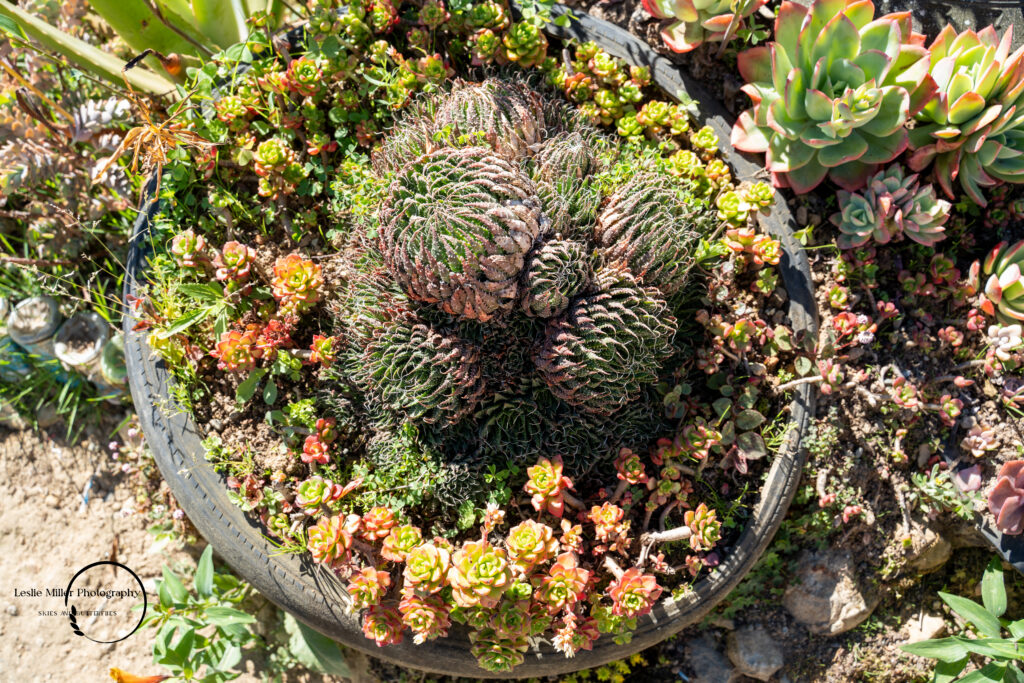
Old tires were used extensively as flower planters throughout Luzon. Many were painted in exotic patterns and colors. I thought this succulent pairing was especially pleasing.
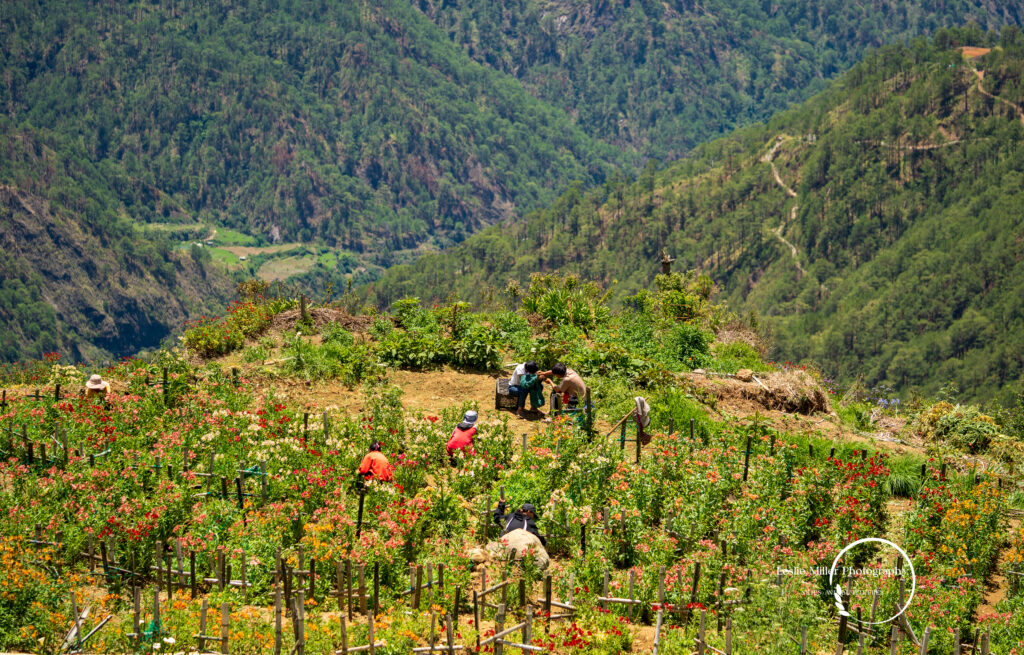
Workers in the flower fields.
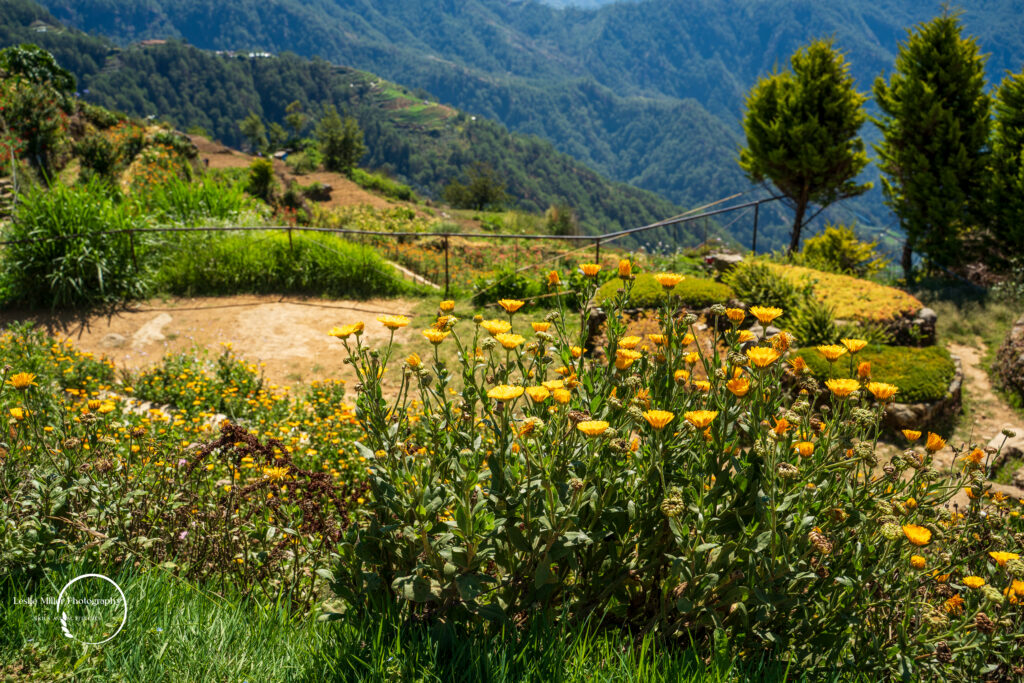
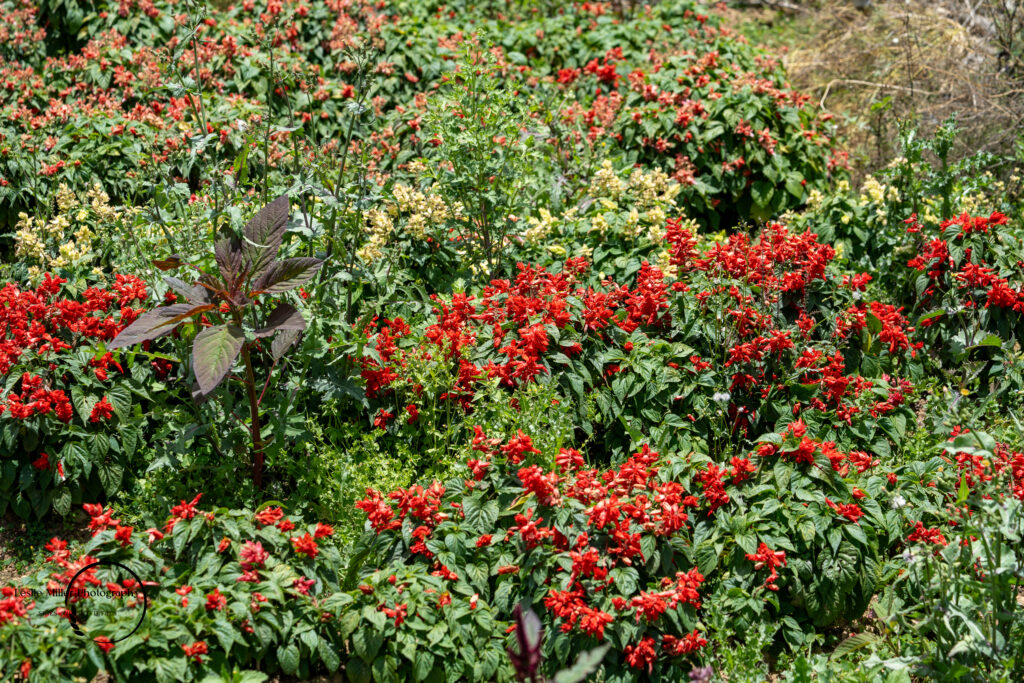
Salvia splendens, often called Red Hot Sally.
I had to laugh when I saw dock (Rumex obtusifolius)… a plant I pull with fervor as a weed in my own yard. I did not know that the seeds could be ground into flour and the leaves cooked like spinach, if eaten judiciously.
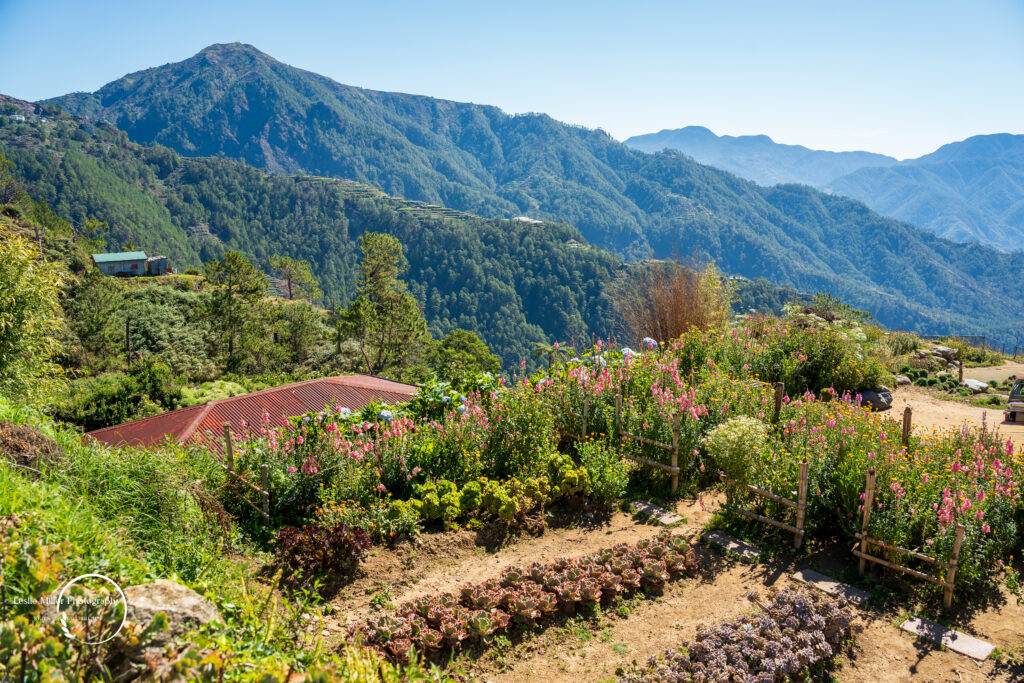
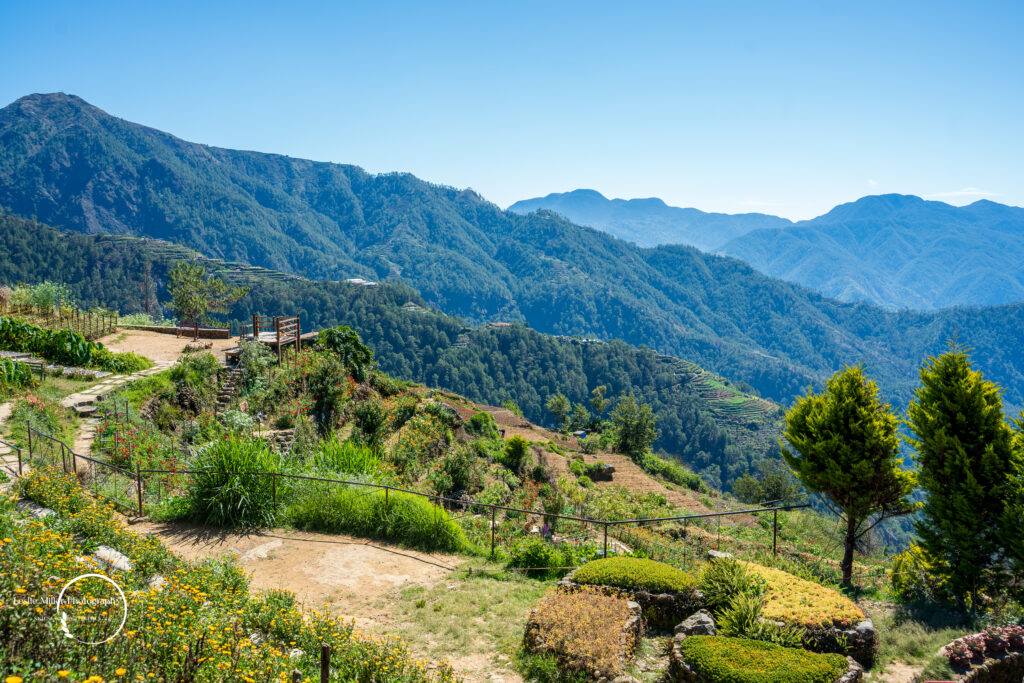
Most of the terraces in this area were hand-hued into the mountainside generations ago.
Wildlife
While the Philippines boasts some of the most spectacular sea life in the world and is an ecological paradise on many islands, the land areas we visited did not have much to offer in the way of native wildlife. We had an explosion of moths one night, much to my delight, and the staff must have thought me extremely excentric as I chased them through the hallways of our lodge. I found some butterflies at both the botanic gardens and flower farms. I photographed two bee species.
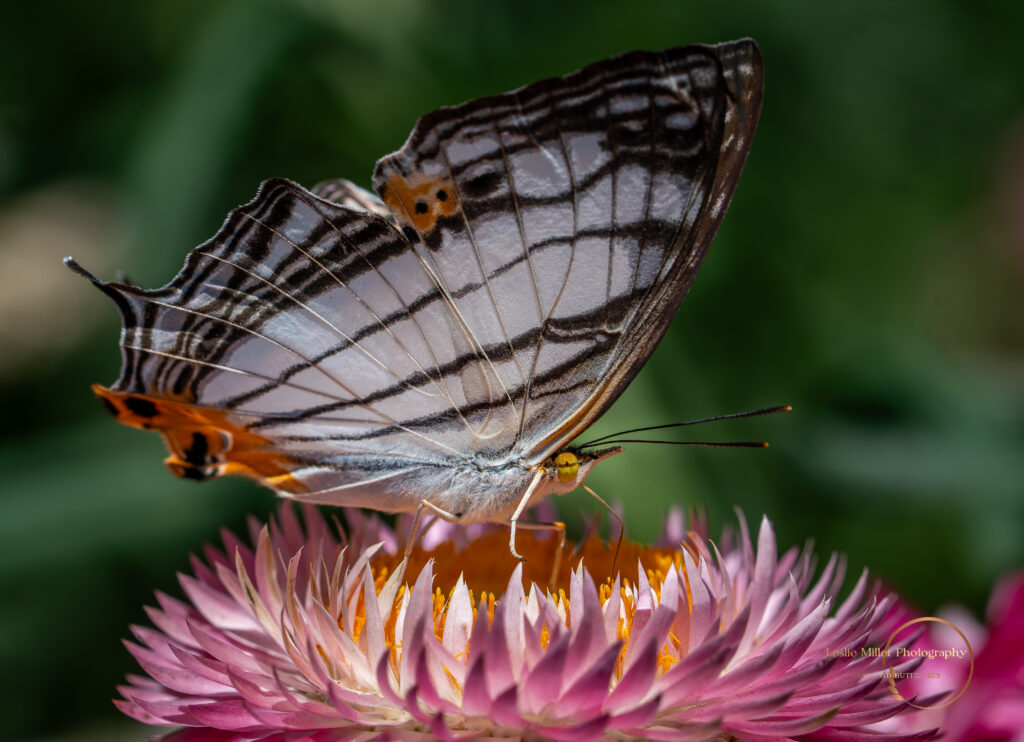
Common Mapwing butterfly.
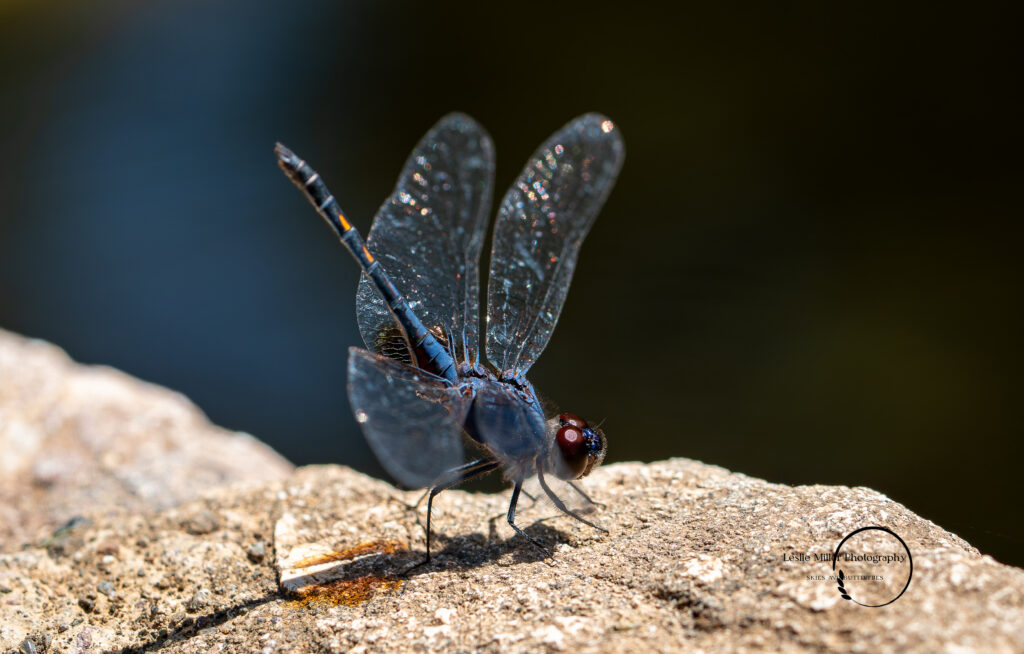
An Indigo Dropwing.
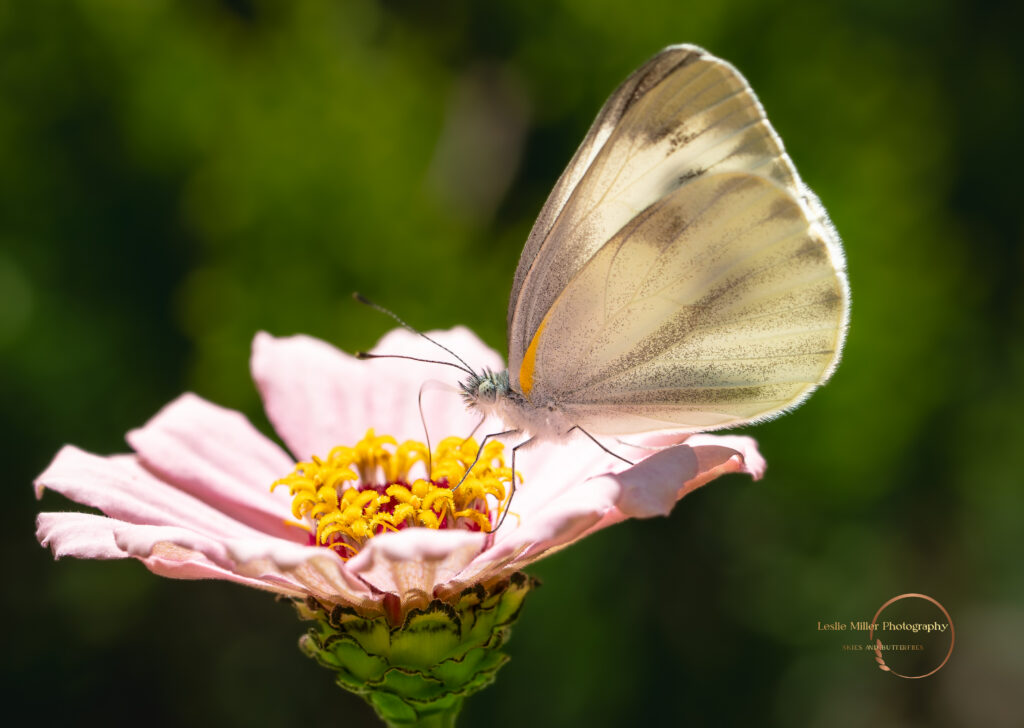
An Indian Cabbage White on a Zinnia.
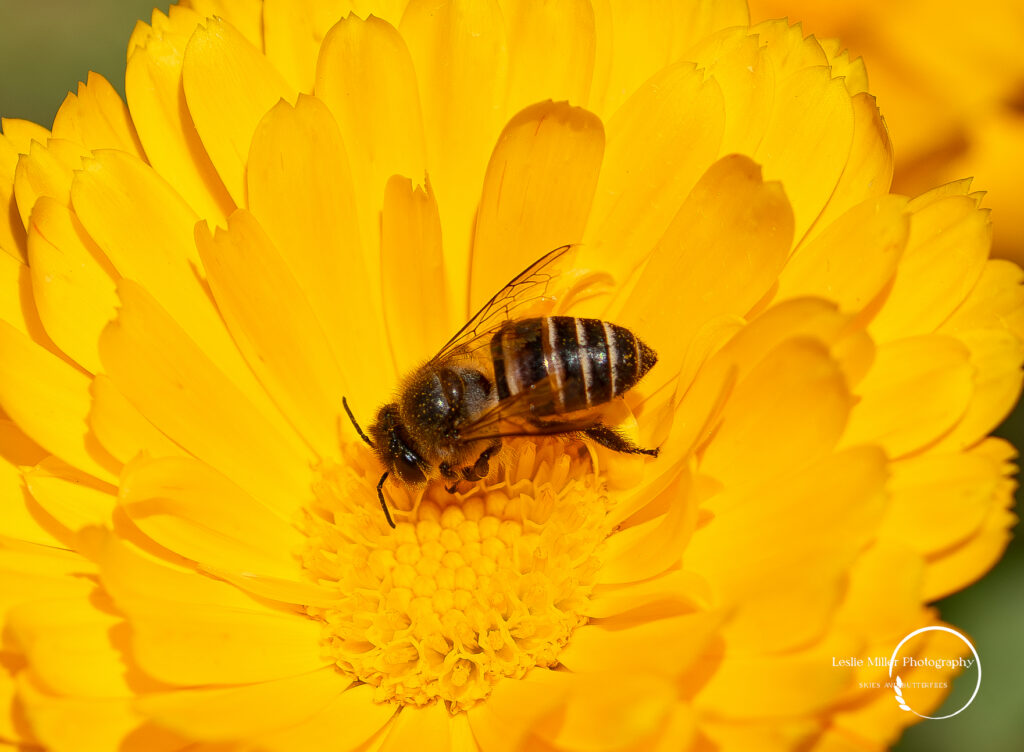
Asian honeybees were the most common bee I saw.
Most excitingly, at the flower farm, I photographed some bumble bees. Apparently, bumble bees are fairly rare in the Philipinnes, with only two species found. I’m not sure which species I saw, and they’ve gone unidentified on iNaturalist so far.
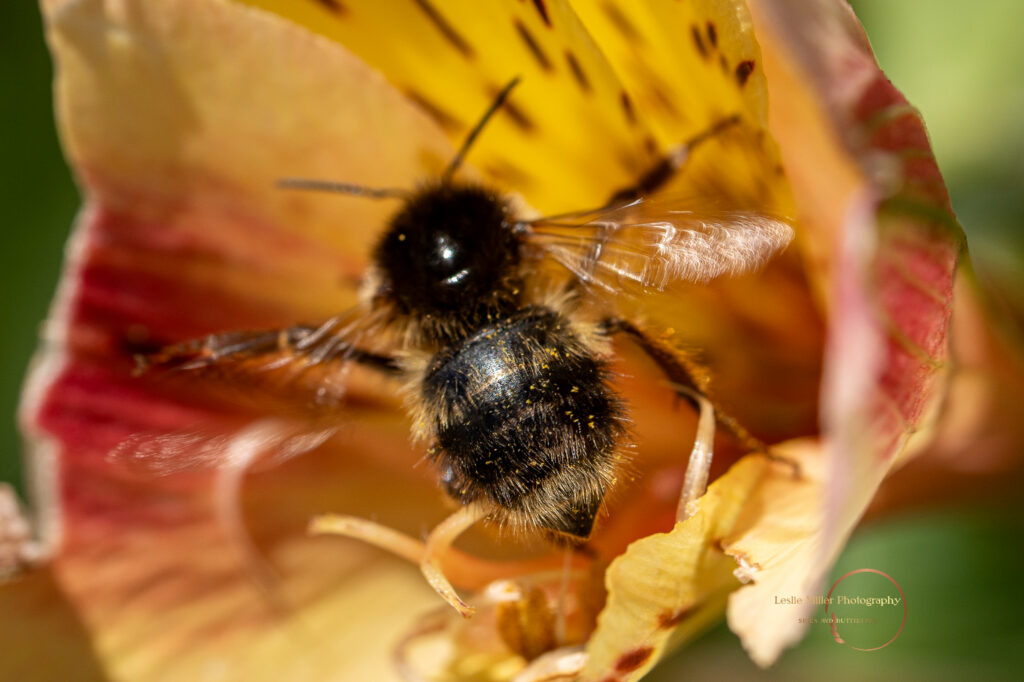
An unidentified bumble bee.
Conclusion
I had an incredible trip to the Philippines. The people were extremely friendly (and most spoke some English), the budget was wallet friendly, and the scenery was spectacular. We only visited three areas of the island of Luzon, and I know the country has so much more to offer. I cannot wait to go back. I highly recommend it as a travel destination. Be sure to include some gardens in your trip.
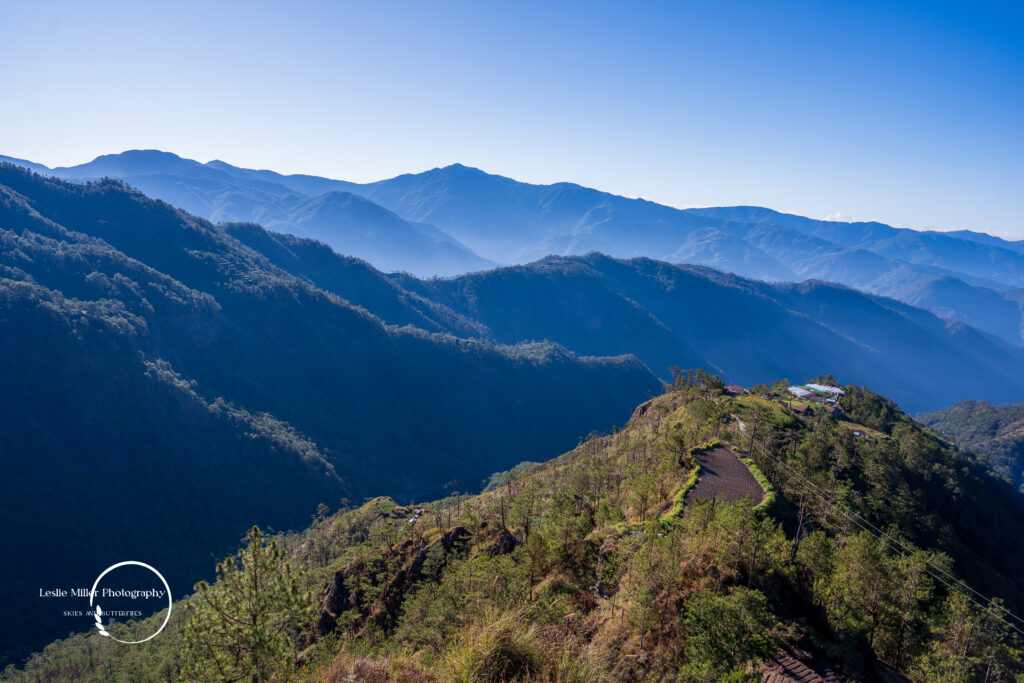
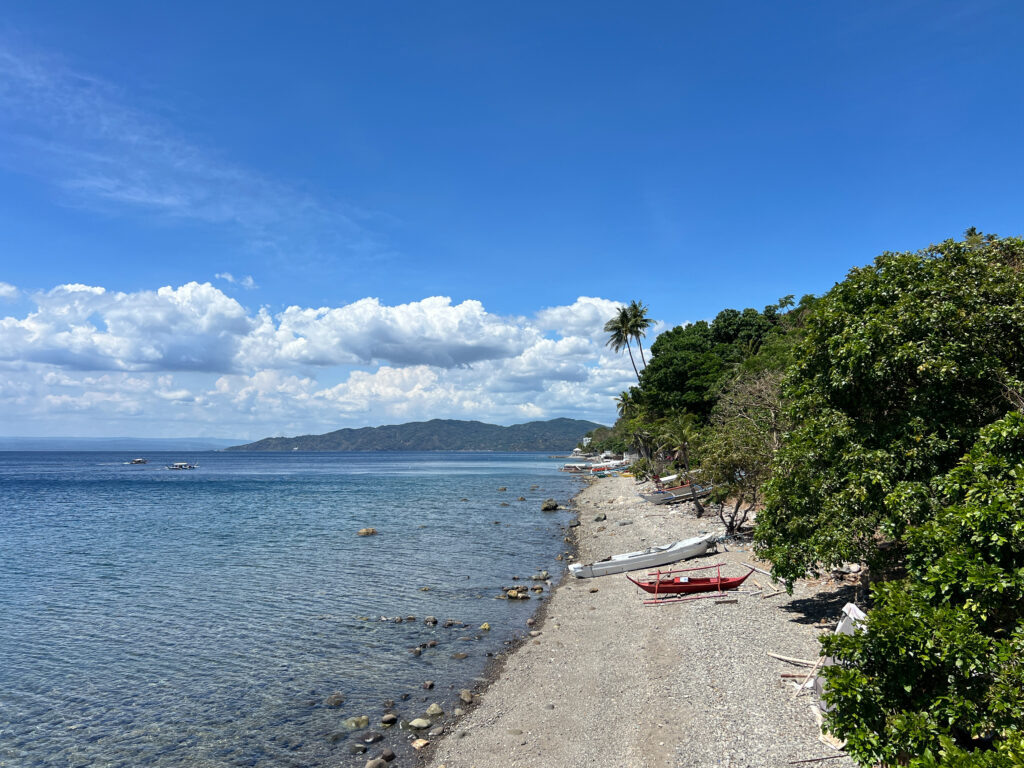
You should visit the Philippines if you can. From the mountains to the ocean, there is much beauty to be seen.
Meet Leslie Miller

Leslie Ann Miller shares 3.5 acres in rural Oklahoma with birds, butterflies and wide variety of animals. She is currently transforming her yard with plantings…
Leslie's Recent Posts
Plants That Will Feed Hummingbirds Through the Dry Spells
Planting for Rain Gardens: Turning Runoff into Habitat
Membership Has Its Perks

- Ask The Expert Questions
- Newsletter Archive
- PlantersPlace Magazine
- Members Photo Gallery
- Product Ratings & Reviews
- Garden Club Samples
Here’s more information about gardening that you’re going to want

Watch a Gardening Video

Learn About Osmocote Products
Read a Gardening Blog