

Rethinking Roses: Native Alternatives for Wildlife Gardens
Views: 763
Okay, I’ll be the first to admit, it’s hard to beat a beautiful rose. I have them in my gardens, and I likely always will. But truth is, roses aren’t the best plants for supporting wildlife. Most, like the wildly popular Knockout roses, are nonnative varieties that offer limited ecological value. Some, like Rugosa roses, have even become invasive in places, crowding out the very native plants that wildlife depends on. Additionally, many people have suffered catastrophic losses to Rose Rosette Disease. The good news? There are plenty of native shrubs that provide equal or greater beauty while supporting birds, pollinators, and the broader ecosystem. So, if you’re ready to replace roses in your garden, here are the best native alternatives to consider.
Pasture Rose (Rosa carolina)
Your first choice for replacing nonnative roses might be to use a native rose such as Rosa carolina. Pasture rose has single, fragrant pink blooms that are especially beneficial to bees, including bumble bees, followed by nutritious hips that feed birds in fall. It’s a slow-spreading shrub (spreading through roots and suckers) and does well in naturalistic plantings. Native rose thickets are often used by nesting birds such as Northern Cardinals due to the protection offered by the thorns. These roses can tolerate some shade, and they are also quite drought tolerant.
Swamp Rose (Rosa palustris)
Another native rose, but better suited to rain gardens and wet areas, is Swamp Rose (Rosa palustris). It offers similar benefits to Rosa carolina, with similar looking pink flowers. Both native roses I’ve mentioned are subject to fungal diseases, so they may not stay as nice looking as disease-resistant varieties, but their wildlife benefits are much higher.
Buttonbush (Cephalanthus occidentalis)
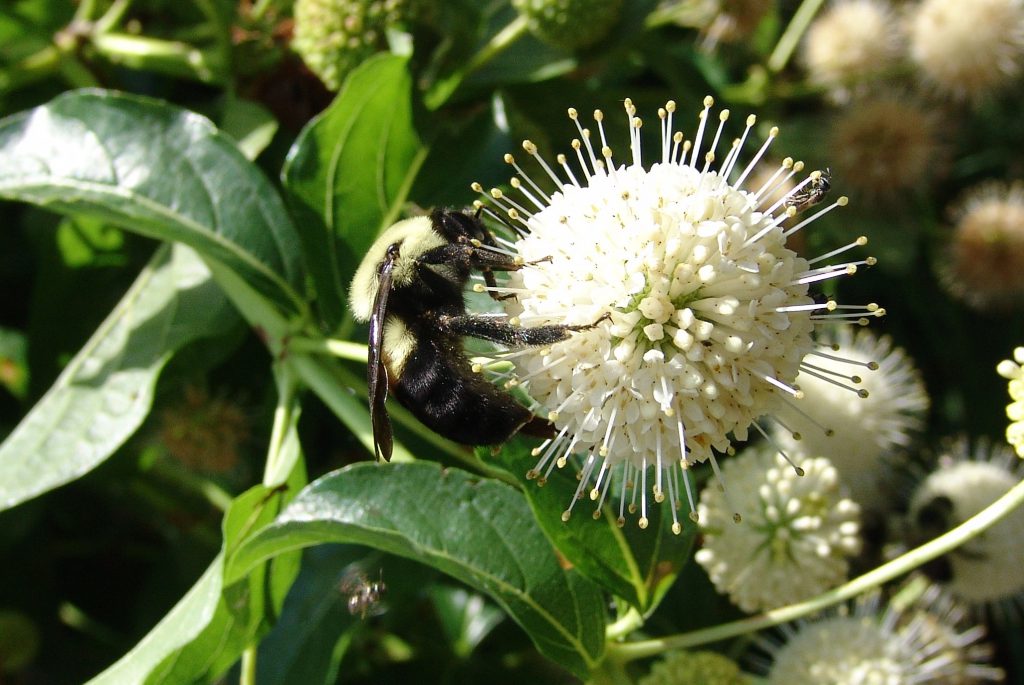
Bumble bee on buttonbush.
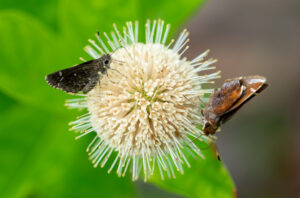
Buttonbush features spherical white flower clusters that are magnets for butterflies, bees, and hummingbirds. Unlike most roses, buttonbush thrives in both wetland edges and standard garden beds. The seeds support waterfowl and songbirds, making it a high-value wildlife shrub. Most websites tell you that Buttonbush prefers moist soil, and, while that may be a preference, don’t be fooled. This shrub is hardy even in drought and poor soils. Once established, it’s hard to kill. Every time I think I’ve killed my two Buttonbushes because they didn’t get watered over summer, they come back stronger than ever in spring.
New Jersey Tea (Ceanothus americanus)
For sunny, dry areas, New Jersey tea provides a compact, attractive alternative to smaller rose varieties. Its fragrant white flowers support dozens of native pollinators, including specialist bees. This slow-growing shrub is extremely drought-tolerant once established and makes an excellent choice for xeric or low-maintenance gardens.
Shrubby St. John’s-wort (Hypericum prolificum)
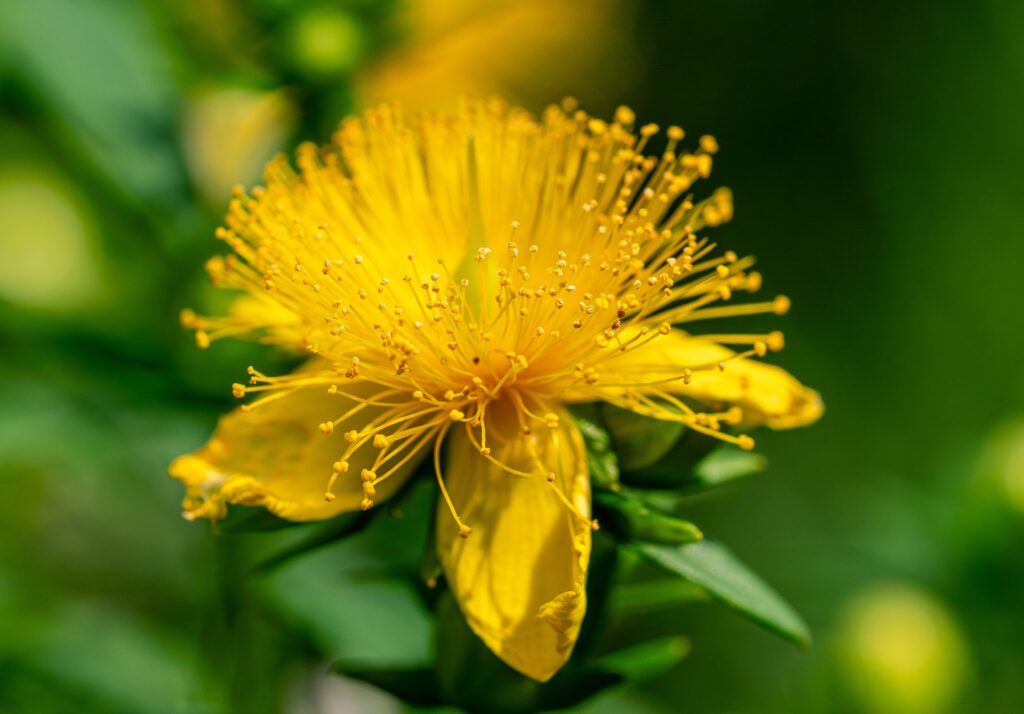
Shrubby St. John’s-wort flower. Offers pollinators no nectar, but lots of pollen.
Shrubby St. John’s-wort is a mound-shaped shrub growing up to five feet tall, with yellow flowers that produce an abundance of pollen, though no nectar. This shrub is adaptable, and while, like Buttonbush, it does well in moist sites, I’ve found it to be pretty drought-tolerant during Oklahoma’s killer summers. It doesn’t seem to be too fussy. I’ve written about its wildlife benefits before, including being popular with pollinators and serving as a host plant to certain butterflies and moths.
Conclusion
Roses will always have a place in my gardens, but wildlife gardeners can make a meaningful difference by choosing native shrubs that offer more ecological value. These other shrubs bring beauty, resilience, and wildlife support to your landscape— with little sacrifice required.
Meet Leslie Miller

Leslie Ann Miller shares 3.5 acres in rural Oklahoma with birds, butterflies and wide variety of animals. She is currently transforming her yard with plantings…
Leslie's Recent Posts
Where They’re Going: The Fall Monarch Migration
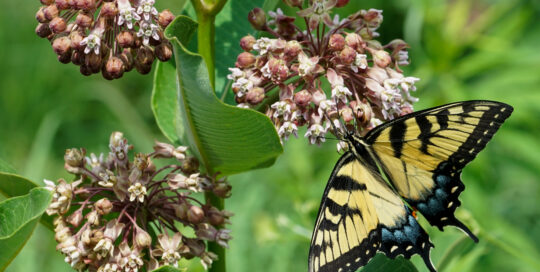
Milkweed by Region: A Native Milkweed Guide
Membership Has Its Perks

- Ask The Expert Questions
- Newsletter Archive
- PlantersPlace Magazine
- Members Photo Gallery
- Product Ratings & Reviews
- Garden Club Samples
Here’s more information about gardening that you’re going to want

Watch a Gardening Video
Learn About Osmocote Products
Read a Gardening Blog