

Why Wildlife Gardeners Should (Grudgingly) Love Mice and Rodents
Views: 309
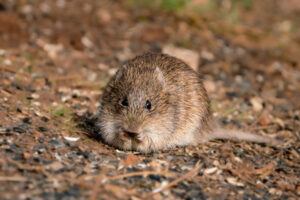
I know, I know. A blog praising mice? Hear me out.
When I tell people I garden for wildlife, they picture butterflies and hummingbirds. (Guilty. I have the macro-lens photos to prove it.) Rodents rarely make the guest list. But after years of watching the critters in my gardens, I’ve come to appreciate that a garden without small mammals is missing a major piece of the puzzle.
Dinner
Let’s start with dinner. Mice, voles, and cotton rats are the main course for a long list of animals I’m always thrilled to see: owls, hawks, snakes, bobcats, and coyotes. Some of you probably have foxes. Take away the rodents and you pull a big thread out of the food web. A hungry owl family can go through hundreds of mice in a single season, and I love watching predators carrying away a cotton rat.
Planters
Next, rodents are planters, and they don’t even know it. Squirrels, chipmunks, and deer mice stash acorns, nuts, and seeds all over the landscape. Not every stash gets retrieved. Every forgotten acorn is a potential oak tree, so some of the trees I admire were likely planted by a rodent with a bad memory. Some small mammals also spread fungal spores, including the kind that partner with tree roots to help them take up nutrients. It’s an invisible job, but a big one.

Squirrels like this Fox Squirrel are prolific tree planters, because some, like me, are very forgetful.
Tillers
Then there are the tillers. Pocket gophers and ground squirrels loosen compacted soil, mix in organic matter, and help rainwater soak in rather than run off. Their tunnels may drive you crazy in the lawn, but in a meadow or prairie planting they do real work. And I like to joke that digging is free aeration.
Habitat Builders
Here’s my favorite part. When I wrote about ground-nesting bees, I learned that most bees nest underground, and many bumble bees move into abandoned rodent nests and burrows. No mice, no empty burrows, no nesting bumble bees. Toads, lizards, and snakes also borrow those old tunnels for shelter. A mouse’s former home becomes a whole neighborhood.
Weeders
Finally, deer mice and other small rodents eat a lot of insects and weed seeds, which gives your garden a little free weed control. And I need all the weeding help I can get.
Conclusion
Now for the honest caveat. I’m not suggesting you roll out the welcome mat to the pantry. Keep rodents out of your house, store birdseed in sealed containers, and wear gloves and a mask when you clean out sheds and barns. Habitat is for the yard, not the kitchen. If you’ve had trouble with them eating your car wiring, like we have to the tune of thousands of dollars, prop open your hoods. Turns out the little buggers want a roof over their heads.
But, please skip the rodent poison. It works its way up the food chain and kills the very owls, hawks, and other predators we’re trying to attract. If you want fewer rodents, let the predators do the job. Add a perch or an owl nest box, and leave some native grasses and brush for cover for the hunters.
The next time you spot a little field mouse darting through your garden, take a moment to watch. It’s more important than it looks.
Meet Leslie Miller

Leslie Ann Miller shares 2.5 acres in rural Oklahoma with birds, butterflies and wide variety of animals. She is currently transforming her yard with plantings…
Leslie's Recent Posts
Where They’re Going: The Fall Monarch Migration
Milkweed by Region: A Native Milkweed Guide
Membership Has Its Perks

- Ask The Expert Questions
- Newsletter Archive
- PlantersPlace Magazine
- Members Photo Gallery
- Product Ratings & Reviews
- Garden Club Samples
Here’s more information about gardening that you’re going to want

Watch a Gardening Video

Learn About Osmocote Products

Read a Gardening Blog